
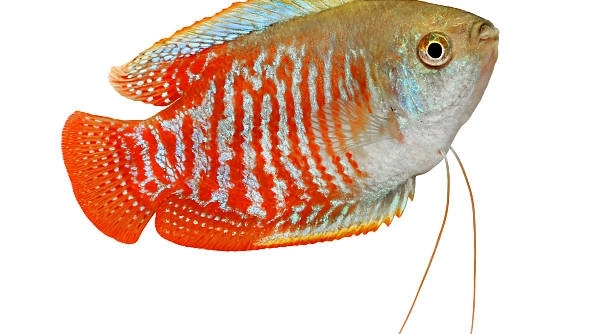
Gouramis are popular freshwater fish known for their peaceful nature and vibrant colors. Many owners notice their gouramis rubbing against objects in the tank. This behavior can be puzzling but is quite common among these fish.
Gouramis rub against objects for several reasons, including removing parasites, relieving irritation, marking territory, or exploring their environment. This behavior can indicate health issues or stress, making it important to observe and address underlying causes promptly.
Understanding why gouramis behave this way helps ensure their well-being and keeps their tank environment healthy and comfortable. The following details explain these reasons more clearly.
Parasites and Skin Irritation
Gouramis often rub against objects when they have parasites or skin irritations. Tiny pests like ich or other external parasites can cause discomfort, leading the fish to try and scrape them off. These parasites cling to the skin and fins, making the gourami restless and eager to find relief. Skin irritation can also come from poor water quality or sharp decorations in the tank. If the water is too acidic, alkaline, or dirty, it can harm the fish’s protective slime coat, causing itching or soreness. Sometimes, rough or sharp objects in the tank may accidentally scratch the fish. This rubbing is a natural response to reduce the irritation. Checking the tank’s water parameters and keeping the environment clean can help prevent these issues. Regularly inspecting your gourami for visible signs of parasites or damage is also important for early treatment. Ensuring smooth, safe decorations reduces accidental injuries that might cause rubbing.
Constant rubbing may indicate a health problem that needs attention.
By maintaining good water quality and safe tank décor, you can minimize skin irritation. Treating parasites early helps your gourami stay healthy and comfortable.
Marking Territory and Exploring
Gouramis are territorial fish and often rub against objects to mark their space or explore their environment. This behavior helps them leave scent marks using special glands on their bodies. These chemical signals communicate their presence to other fish, reducing conflicts. When new decorations or plants are added to the tank, gouramis may rub more often as they familiarize themselves with the changes. They use this method to understand their surroundings and feel secure in their territory. In community tanks, rubbing can also be a way to assert dominance or claim ownership of a spot. While this behavior is normal, excessive rubbing combined with other signs like lethargy or loss of appetite might indicate stress or illness. Observing the fish’s overall behavior helps decide whether rubbing is harmless or needs intervention. Providing enough space and hiding spots in the tank reduces territorial stress and rubbing incidents.
Stress and Discomfort
Gouramis may rub against objects when feeling stressed or uncomfortable. Stress can come from overcrowding, poor water conditions, or aggressive tank mates.
Stress causes changes in behavior, making the fish seek relief by rubbing. Crowded tanks limit space, increasing tension. Poor water quality affects their health, causing irritation and discomfort. Aggressive fish nearby may push gouramis to hide or act nervously. This rubbing can be a coping mechanism to soothe themselves. Reducing stress by improving tank conditions and giving them enough space is important. Observing their environment closely helps identify and fix stress triggers quickly, improving their well-being.
Addressing stress factors helps stop rubbing and improves your gourami’s overall health. Regular tank maintenance and peaceful companions are key.
Breeding Behavior
During breeding, gouramis may rub against objects as part of their mating rituals. Males especially show this behavior more often.
Rubbing helps males prepare nesting sites or stimulate females for spawning. This action can also be a way to show strength and attract mates. Gouramis build bubble nests, and rubbing may help clear surfaces or position the nest. Females might also rub to signal readiness to spawn or show acceptance of a mate. This behavior is natural and temporary, linked to reproductive cycles. Monitoring the tank during breeding times can help you understand these signs better and support healthy reproduction without stress.
Providing appropriate breeding conditions and plants helps encourage natural behavior and reduces unwanted rubbing.
Algae or Biofilm Cleaning
Gouramis sometimes rub against objects to clean off algae or biofilm. This behavior helps keep their skin and fins free from buildup.
They use this rubbing to scrape away unwanted substances that might irritate them or reduce their comfort in the tank.
Physical Injury or Discomfort
If a gourami is injured or has a sore spot, it may rub against objects to ease the discomfort. This can happen after fights or accidental scrapes. Watching for wounds or damaged fins can help identify if rubbing is due to injury.
Water Quality Issues
Poor water quality often leads gouramis to rub against surfaces. High ammonia or nitrite levels can irritate their skin and gills, causing itching and discomfort. Regular testing and water changes help maintain a healthy environment and reduce rubbing caused by water problems.
Habitual Behavior
Sometimes gouramis develop rubbing as a habit without an obvious cause. It might be a way to explore or simply a repetitive action with no harm intended. Observing their overall health is important to rule out problems.
Why does my gourami keep rubbing against the tank glass?
When your gourami rubs against the tank glass, it might be trying to remove parasites or irritation on its body. Glass surfaces are smooth and easy to scrape against, so the fish use them like a tool. Sometimes, it could also be a sign of stress, caused by water quality or tankmates. Make sure the water is clean and stable, and watch for other signs like lethargy or loss of appetite. If rubbing continues, check for any parasites or injuries that may need treatment.
Is rubbing normal behavior for gouramis?
Yes, rubbing is fairly normal in gouramis, especially when they are cleaning themselves or exploring their environment. However, if rubbing is frequent or intense, it could indicate discomfort, parasites, or poor water conditions. Occasional rubbing usually isn’t a problem, but persistent behavior should prompt a closer look at tank conditions and the fish’s health.
Can rubbing damage my gourami?
Rubbing can cause damage if it’s excessive. Constant scraping might injure the skin or fins, making the fish vulnerable to infections. Rough tank decorations or sharp edges increase the risk of wounds. To avoid this, ensure the tank décor is smooth and safe. If you notice red spots, torn fins, or unusual behavior, it’s time to take action.
How do I stop my gourami from rubbing against objects?
Start by checking the water quality—ammonia, nitrite, and nitrate levels should be within safe ranges. Perform regular water changes and keep the tank clean. Remove any rough or sharp objects that could irritate your fish. Also, make sure your gourami isn’t stressed by tankmates or overcrowding. Treat any parasites or infections promptly. These steps usually reduce rubbing behavior.
Could rubbing be related to breeding?
Yes, rubbing can be part of breeding behavior, especially for males. They may rub against surfaces to prepare bubble nests or signal readiness to spawn. This is a natural and temporary behavior during the breeding period. If you notice increased rubbing but no signs of distress, it may just be your gourami’s way of getting ready for spawning.
What signs should I look for to know if rubbing means illness?
Watch for lethargy, loss of appetite, clamped fins, or visible sores alongside rubbing. Parasites like ich often cause rubbing and also show white spots. If your gourami’s behavior changes noticeably, or it appears weak, illness could be the cause. Early diagnosis and treatment are key to recovery.
Can tank size affect rubbing behavior?
Yes, a small or overcrowded tank can increase stress, causing gouramis to rub more frequently. Limited space means less territory and more competition, which raises tension. Providing adequate space and hiding spots helps reduce stress-related rubbing and supports overall fish health.
Are certain decorations better to reduce rubbing?
Smooth, rounded decorations are best to minimize injury from rubbing. Avoid sharp edges or rough surfaces that could scratch your gourami’s skin. Plants, smooth rocks, and rounded driftwood work well. Safe décor allows your fish to rub without risking damage.
Should I isolate a rubbing gourami?
Isolation is sometimes helpful if rubbing is due to aggression or parasites spreading in a community tank. Quarantining the affected fish allows focused treatment and reduces stress from other fish. However, isolation should be temporary and done carefully to avoid added stress.
How often should I test the water to prevent rubbing caused by poor water quality?
Testing water weekly is a good practice, especially for new or heavily stocked tanks. Regular checks keep ammonia, nitrite, and nitrate levels safe, preventing skin irritation that leads to rubbing. If problems arise, more frequent testing may be necessary until conditions stabilize.
Gouramis rubbing against objects is a common behavior that can have many reasons. Sometimes, it is simply a way for the fish to clean themselves or explore their environment. Other times, rubbing can signal that something is wrong, such as parasites, poor water quality, or stress. Paying attention to your gourami’s behavior helps you understand if the rubbing is normal or if it needs attention. Keeping the tank clean and providing a comfortable space are important for their health and happiness.
When gouramis rub against objects, it can also be linked to breeding or marking territory. These natural behaviors show how gouramis interact with their surroundings and other fish. However, if rubbing becomes excessive or is combined with signs like loss of appetite, lethargy, or visible injuries, it is best to check for illness or injury. Proper water testing and regular tank maintenance go a long way in preventing problems that cause rubbing. Safe and smooth decorations reduce the chance of physical damage during rubbing as well.
Understanding why gouramis rub helps in caring for them better. It’s important to watch for changes in their behavior and environment. If rubbing seems harmful or unusual, addressing water quality, tank mates, or health issues quickly can improve your fish’s well-being. Overall, observing and responding to your gourami’s needs ensures they stay comfortable and thrive in their home.

Hello,
If you enjoy the content that we create, please consider saying a "Thank You!" by leaving a tip.
Every little bit helps us continue crafting quality advice that supports the health, happiness, and well-being of pets around the world, for pets of all shapes, sizes, and species.
We really appreciate the kindness and support that you show us!