
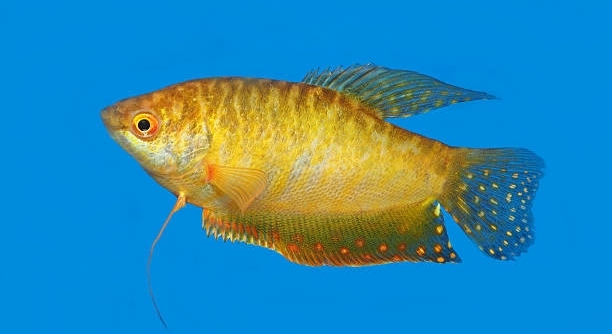
Gouramis are popular freshwater fish often kept in home aquariums. They have interesting behaviors that sometimes include chasing other fish. Understanding why they do this can help maintain a peaceful tank environment.
Gouramis chase other fish mainly due to territorial instincts and social hierarchy. This behavior helps them establish dominance, protect their space, and reduce competition for food or mates. Environmental stress or overcrowding can also increase chasing episodes.
Recognizing these causes can help aquarium owners create a more balanced habitat for their gouramis and tank mates. This article explains the main reasons behind their chasing behavior and what it means for your aquarium.
Understanding Gourami Territorial Behavior
Gouramis are naturally territorial fish. In the wild, they claim certain areas to protect resources like food and breeding spots. When kept in tanks, this instinct doesn’t disappear. Instead, it often becomes more noticeable because the space is limited. A gourami may chase other fish to defend its chosen area, especially if another fish comes too close. This behavior is more common in males, who tend to be more aggressive about territory. The size of the tank and the number of fish also play a role. Smaller tanks can increase stress and territorial disputes. Providing enough hiding spots and plants helps reduce chasing. It gives each fish a chance to establish its own space, lessening conflicts. Watching how your gouramis interact can show when territory is a problem. Managing tank size and environment carefully can help keep chasing to a minimum and improve harmony.
Territorial chasing is a normal behavior, but tank setup greatly affects how often it happens.
Reducing stress by increasing tank size or adding plants creates a calmer environment. Gouramis feel less need to chase when they have room to spread out and hide.
Social Hierarchy and Gourami Behavior
Gouramis form social hierarchies to organize their groups. The chasing helps establish who is dominant and who is submissive. This system helps avoid constant fighting by clearly defining roles. Usually, the dominant fish gets first access to food and preferred spots, while others keep their distance. This hierarchy is more obvious when multiple gouramis are kept together. It can also happen between gouramis and other fish species if they compete for similar resources. Sometimes, new fish introduced into the tank will face chasing until the hierarchy settles. Understanding this behavior means you can watch for signs of stress or bullying. If chasing is too aggressive, separating fish or rearranging the tank may be necessary. Keeping an eye on how your gouramis interact helps maintain a peaceful balance and ensures no fish are harmed or overly stressed.
Environmental Stress and Its Impact on Gourami Behavior
Stress in an aquarium can make gouramis more aggressive and prone to chasing. Factors like poor water quality, overcrowding, or sudden changes in temperature increase stress levels. When stressed, gouramis become defensive, often chasing other fish to feel more secure.
Poor water conditions affect gouramis’ health and mood. High ammonia, nitrite, or nitrate levels irritate their skin and gills, causing discomfort. This stress leads to aggressive behaviors, including chasing tank mates. Overcrowded tanks limit swimming space, causing tension and competition for resources. Sudden changes like adding new fish or rearranging decorations can also unsettle gouramis. Maintaining stable, clean water and an appropriate number of fish reduces stress and chasing.
Providing hiding places and stable water parameters helps gouramis feel safe. A calm environment lowers stress and improves peaceful interactions with other fish.
Gender Differences in Gourami Chasing
Male gouramis are usually more aggressive and territorial than females. They chase other fish to protect breeding areas and assert dominance. Females tend to be less aggressive and often avoid confrontations. Understanding these gender differences helps manage chasing behavior better.
During breeding, males become highly protective of their bubble nests. This protection can increase chasing of other fish, including females if they come too close. Outside breeding times, male gouramis still establish territories and dominance, which causes occasional chasing. Female gouramis generally swim peacefully among tank mates with little aggression. Keeping more females than males or providing separate spaces for males can reduce aggressive chasing. Recognizing these gender behaviors lets you create a tank setup that minimizes stress and aggression for all gouramis.
Tank Size and Its Effect on Gourami Behavior
A small tank can increase aggressive behavior like chasing. Limited space makes it harder for gouramis to avoid each other.
Larger tanks give gouramis more room to establish separate territories. This reduces tension and chasing between fish.
Diet and Gourami Aggression
Feeding plays a role in gourami behavior. Inadequate or irregular feeding can make them more competitive and aggressive. Gouramis chase others more when they feel hungry or see food as scarce. Consistent, balanced feeding reduces this behavior and helps maintain peace.
Tank Decorations and Hiding Spots
Adding plants and decorations creates hiding spaces that help gouramis avoid conflicts. This makes chasing less frequent and allows shy fish to retreat when needed.
Introducing New Fish Carefully
New fish can trigger chasing as gouramis establish dominance. Introducing tank mates slowly helps reduce aggressive chasing and stress.
Why does my gourami chase only certain fish?
Gouramis often chase fish they see as competition or threats. They may target fish of similar size, shape, or color, which can trigger territorial or dominance instincts. Sometimes, slow or shy fish get less attention because they don’t challenge the gourami’s space. Aggression can also depend on how peaceful or active the other fish are. It’s normal for gouramis to be selective, focusing their chasing on those they feel compete for food or territory.
Is chasing always a sign of aggression?
Not always. While chasing can be aggressive, it also helps gouramis establish social order and boundaries. Sometimes, it’s a way to test other fish or keep them at a distance without serious harm. However, if chasing causes injury or constant stress, it’s a sign of excessive aggression that needs attention. Observing how often chasing happens and if fish show signs of harm can help decide if intervention is necessary.
Can chasing cause harm to other fish?
Yes, frequent chasing can injure fish, causing stress, torn fins, or even death in extreme cases. Stress from being chased can weaken immune systems, making fish vulnerable to illness. It’s important to monitor tank mates closely, especially if chasing increases. Providing hiding spots and sufficient space reduces harm by giving fish places to escape and rest.
How can I stop my gourami from chasing other fish?
Improving tank conditions is the best way to reduce chasing. Make sure the tank is large enough with plenty of hiding places and plants. Keep water quality high and stable. Feeding regularly with a balanced diet also helps. If one fish is particularly aggressive, separating it or rearranging the tank to disrupt established territories can calm behavior. Adding more peaceful fish species and avoiding overcrowding are also effective.
Does tank size really affect chasing behavior?
Absolutely. Smaller tanks force fish into close quarters, increasing competition and stress. Gouramis need space to establish territories and avoid constant interaction. Larger tanks allow them to spread out and reduce territorial disputes. Ensuring the tank size matches the number and size of fish is essential for peaceful coexistence.
Are male gouramis more aggressive than females?
Yes, males are generally more territorial and aggressive, especially during breeding. They defend bubble nests and chase away rivals. Females tend to be calmer and less involved in chasing. Knowing the gender of your gouramis helps predict behavior and manage aggression by controlling the number of males or separating them if needed.
Can introducing new fish calm or worsen chasing?
Introducing new fish can temporarily increase chasing as gouramis re-establish social order. Over time, if the tank is large and well-planted, the new fish may be accepted. Sudden introductions or overcrowding worsen chasing, so adding fish slowly and ensuring enough space helps reduce aggression and stress.
Do gouramis chase fish of other species?
Yes, especially if they see those fish as a threat to territory or food. Gouramis can chase smaller or similar-sized fish but often ignore much smaller or non-competitive species. It depends on the individual gourami’s temperament and tank conditions.
What role does diet play in chasing behavior?
Hungry gouramis become more aggressive and chase others over food. Inadequate or irregular feeding increases competition and stress. A steady, nutritious diet keeps gouramis satisfied and less likely to chase tank mates out of hunger or frustration.
When should I consider separating aggressive gouramis?
If chasing leads to injury, constant stress, or if certain fish are hiding all the time, separation is necessary. Also, if multiple males are fighting too much, splitting them can protect all fish. Keeping an eye on behavior helps decide when the tank setup needs adjusting for peace.
Gouramis are interesting fish with natural behaviors that sometimes include chasing other fish. This chasing is usually linked to their instincts around territory, social ranking, and survival. It helps them protect their space and find their place within the group. While it may seem aggressive, it is often just a way for gouramis to communicate and organize themselves. Understanding these behaviors is important for anyone who keeps gouramis in an aquarium, as it helps create a better environment for all fish.
Several factors can influence why a gourami chases other fish. Tank size plays a big role because smaller spaces increase stress and competition. Water quality and diet also affect their mood and behavior. Male gouramis tend to be more aggressive than females, especially during breeding periods. Providing plenty of space, hiding spots, and regular feeding can reduce chasing and keep the tank peaceful. Watching how gouramis interact can give clues about their well-being and if any changes are needed in their environment.
Managing gouramis’ chasing behavior means paying attention to their needs and tank conditions. By keeping the aquarium clean, not overcrowded, and well-planted, you create a calm space for all fish. If chasing becomes too frequent or harmful, adjusting the tank layout or separating aggressive fish may be necessary. Overall, knowing why gouramis chase helps owners handle the behavior better, ensuring a healthier and happier aquarium for everyone involved.

Hello,
If you enjoy the content that we create, please consider saying a "Thank You!" by leaving a tip.
Every little bit helps us continue crafting quality advice that supports the health, happiness, and well-being of pets around the world, for pets of all shapes, sizes, and species.
We really appreciate the kindness and support that you show us!