
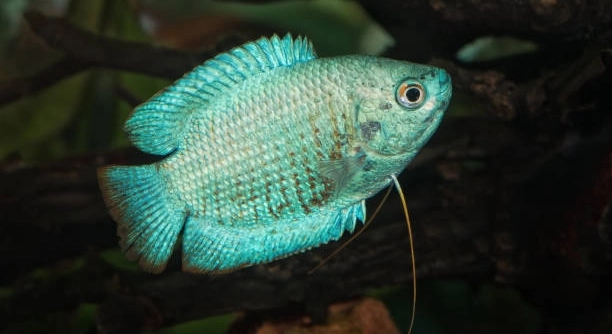
Gouramis are peaceful freshwater fish that need a calm environment to thrive. Providing them with comfort and security helps reduce stress and supports their overall well-being. Understanding what makes gouramis feel safe can improve their health and behavior.
Gouramis feel safe when their habitat includes ample hiding spots, stable water conditions, proper tank mates, minimal disturbances, consistent lighting, balanced diet, and appropriate tank size. These factors collectively contribute to their reduced stress and natural behavior expression.
Knowing these key elements will help create a supportive environment for gouramis. This guide outlines practical steps to ensure their safety and comfort in your aquarium.
Ample Hiding Spots
Gouramis feel more secure when they have places to hide. Plants, caves, and decorations provide essential shelter from potential threats and sudden movements. These hiding spots help reduce stress by giving gouramis control over their environment. When they can retreat to a safe place, they show more natural and relaxed behavior. Dense vegetation mimics their natural habitat and offers both protection and comfort. Avoid overcrowding the tank, as too many hiding spots or decorations can limit swimming space. A balance between open areas and cover is important. Gouramis tend to hide when they are stressed or feel threatened, so providing proper shelter reduces their need to hide constantly. It also encourages them to explore and interact with their environment more confidently. Regularly check that these spots remain clean and accessible, as blocked or dirty hiding places can cause discomfort or illness.
Providing enough places to hide supports gouramis’ mental well-being and helps maintain calm tank dynamics.
Hiding spots also help gouramis establish territories, reducing aggression among tank mates. This balance of shelter and space creates a more peaceful environment, allowing gouramis to thrive with less stress and healthier behavior.
Stable Water Conditions
Consistent water parameters are critical for gourami health. Sudden changes in temperature, pH, or hardness can stress these sensitive fish. Gouramis require a temperature range of 74–82°F (23–28°C) and a slightly acidic to neutral pH between 6.0 and 7.5. Regular water testing and maintenance are necessary to avoid harmful fluctuations. Using a reliable heater and filter ensures stable conditions. Partial water changes help remove toxins and maintain cleanliness without shocking the fish. Stress caused by poor water quality weakens gouramis’ immune systems and increases susceptibility to diseases. Keeping water clean and balanced encourages natural behavior, healthy feeding, and vibrant coloration. Avoid overfeeding, which can degrade water quality quickly. Observe your gouramis daily for signs of discomfort, such as gasping or lethargy, which may indicate water issues. A steady environment fosters a sense of safety and supports long-term health.
Regular monitoring and small adjustments prevent harmful changes and help gouramis feel secure in their habitat. Proper water management directly influences their behavior and lifespan.
Proper Tank Mates
Choosing compatible tank mates reduces stress for gouramis. Avoid aggressive or overly active fish that may intimidate them.
Peaceful species like tetras or rasboras work well. Gouramis are territorial but thrive with calm companions. Aggressive fish can cause constant stress, leading to illness. Observe interactions closely, especially when introducing new fish. Proper pairing supports a peaceful tank atmosphere where gouramis feel secure. Tank size also matters—overcrowding increases competition and tension among fish.
Introducing new tank mates slowly allows gouramis to adjust without feeling threatened. A well-planned community tank improves social stability and reduces stress responses. This careful selection contributes to gouramis’ comfort and natural behavior in their environment.
Consistent Lighting
Stable lighting supports gouramis’ daily rhythms and reduces stress. Sudden changes or overly bright light can cause anxiety.
A regular light cycle of about 10–12 hours per day mimics natural conditions. Use dimmers or floating plants to soften harsh lighting. Gouramis prefer moderate light levels, as extreme brightness may hide their colors and cause them to seek shelter constantly. Consistency helps maintain their feeding and activity patterns. Avoid turning lights on and off abruptly to prevent startling them. Natural light exposure should be limited to prevent algae growth and temperature fluctuations. A gentle, predictable lighting schedule promotes a calm environment.
Lighting influences gouramis’ biological clock and behavior. Maintaining steady illumination supports their health, reduces stress, and encourages natural interactions within the aquarium. Proper lighting is a key factor in creating a safe habitat for these fish.
Minimal Disturbances
Gouramis are sensitive to sudden movements and loud noises near their tank. Frequent disturbances can cause stress and hiding behavior.
Keep the tank in a quiet area away from heavy foot traffic or vibrations. Limiting external disruptions helps gouramis stay calm and comfortable in their environment.
Balanced Diet
Providing a varied and nutritious diet is essential for gouramis’ well-being. Their diet should include high-quality flakes, pellets, and occasional live or frozen foods.
Feeding small amounts twice daily prevents overfeeding and water pollution. Proper nutrition supports immune health, vibrant coloration, and natural behavior. Gouramis appreciate a mix of protein and plant-based foods to meet their dietary needs. Avoid sudden diet changes to reduce digestive stress.
Appropriate Tank Size
A tank size of at least 20 gallons is recommended for gouramis to swim freely and establish territories comfortably. Smaller tanks can lead to stress and aggression. Proper space supports their physical and mental health, ensuring they thrive in captivity.
FAQ
What kind of hiding spots do gouramis prefer?
Gouramis prefer dense plants, caves, and decorations that provide shade and shelter. Floating plants are also beneficial because they offer cover near the surface, where gouramis often swim. It’s important to provide a mix of open swimming areas and hiding spots to keep them comfortable without feeling trapped.
How often should I test my aquarium water for gouramis?
Testing water parameters weekly is ideal to ensure temperature, pH, and hardness remain stable. Sudden changes can stress gouramis. Regular testing helps detect problems early and maintain a healthy environment.
Can gouramis live with other fish?
Yes, but tank mates should be peaceful and non-aggressive. Suitable companions include tetras, rasboras, and small catfish. Avoid fin-nippers or overly active fish. Proper tank size and hiding spaces help reduce territorial disputes.
How much should I feed my gouramis?
Feed small amounts twice a day, only what they can consume within a few minutes. Overfeeding leads to poor water quality and health problems. Include high-quality flakes or pellets with occasional live or frozen foods for variety.
What lighting conditions do gouramis need?
Moderate lighting with about 10–12 hours of light daily is best. Use dimmers or floating plants to soften brightness. Avoid sudden changes in lighting to prevent stress.
Why does my gourami hide so much?
Excessive hiding usually signals stress, poor water conditions, or aggression from tank mates. Check water quality, tank mates, and environment to find the cause. Providing ample hiding spots can help but constant hiding means an underlying issue.
Is a 10-gallon tank enough for gouramis?
A 10-gallon tank is generally too small, especially for larger gouramis or multiple fish. At least 20 gallons is recommended to provide enough space for swimming and territory.
How do I reduce stress in gouramis?
Maintain stable water conditions, provide hiding spots, choose proper tank mates, feed a balanced diet, and limit loud noises or sudden movements near the tank. Consistency in care and environment helps gouramis feel safe.
Can gouramis live alone?
Yes, gouramis can live alone and often do well without tank mates. However, they enjoy some social interaction if housed with compatible species in a spacious tank.
What signs show a gourami is healthy and feels safe?
Healthy gouramis swim actively, eat regularly, display vibrant colors, and show natural behaviors like exploring and interacting calmly with tank mates. Lack of hiding and normal respiration also indicate comfort.
How often should I clean my gourami’s tank?
Partial water changes of about 20-25% weekly or biweekly keep water clean without shocking the fish. Clean filters regularly but avoid removing all beneficial bacteria at once.
Are there specific plants that help gouramis feel safe?
Yes, plants like Java fern, Anubias, and floating plants provide cover and reduce light intensity. These plants create a natural environment that mimics their habitat and offers shelter.
Can changing the tank layout reduce gourami stress?
Yes, rearranging the tank occasionally can provide new hiding spots and reduce boredom. However, avoid frequent drastic changes, as gouramis prefer a stable environment.
How do I introduce new fish to a gourami tank?
Introduce new fish slowly by quarantining them first. Add them during low activity times and watch for signs of aggression. Provide extra hiding spots during introductions to reduce stress.
What water temperature is ideal for gouramis?
Maintain water between 74–82°F (23–28°C) to keep gouramis comfortable. Use a reliable heater and thermometer to monitor and control temperature fluctuations.
Final Thoughts
Creating a safe environment for gouramis requires attention to several key factors. Proper tank size, compatible tank mates, and consistent water quality all contribute to their well-being. Gouramis need enough space to swim freely and establish territories without feeling crowded. A well-planned community tank with peaceful species helps reduce stress and aggression. Maintaining clean, stable water conditions supports their health and reduces the risk of disease. Small details like consistent lighting and minimizing disturbances also play a significant role in their comfort.
Providing hiding places is essential for gouramis to feel secure. Dense plants, caves, and floating vegetation offer shelter and reduce stress. These spots allow gouramis to retreat when they feel threatened or need rest. A balanced diet including quality flakes, pellets, and occasional live or frozen foods supports their immune system and keeps them active. Feeding small amounts twice daily prevents overfeeding and maintains water quality. When all these factors are combined, gouramis are more likely to display natural behaviors and vibrant colors, indicating a safe and healthy environment.
Ultimately, keeping gouramis safe is about consistency and observation. Monitoring water parameters, observing fish behavior, and making adjustments as needed ensure their needs are met. Small changes can cause stress, so it is important to maintain a stable environment. By following basic care guidelines and providing a comfortable habitat, gouramis can thrive in captivity. This careful attention helps create an aquarium where these fish live peacefully and healthily over time.

Hello,
If you enjoy the content that we create, please consider saying a "Thank You!" by leaving a tip.
Every little bit helps us continue crafting quality advice that supports the health, happiness, and well-being of pets around the world, for pets of all shapes, sizes, and species.
We really appreciate the kindness and support that you show us!