
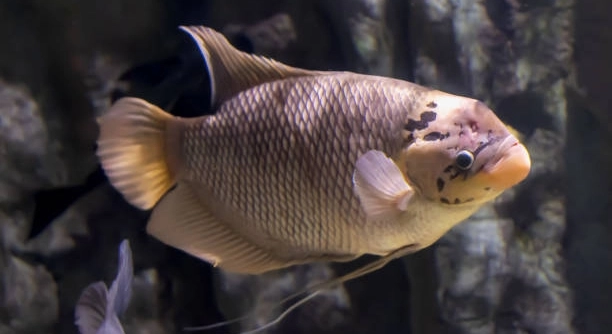
Quarantining new gourami properly is essential to maintaining a healthy aquarium environment. Introducing a new fish without precautions can lead to stress and the spread of disease among existing fish. This article explains the key steps for safe and effective quarantine.
The correct quarantine process for new gourami involves isolating the fish in a separate tank, monitoring water conditions closely, and observing for signs of illness over a minimum of two weeks. This practice prevents disease transmission and allows for treatment if necessary.
Following these guidelines will help protect your entire aquarium. Proper quarantine ensures your gourami adjusts well and stays healthy for the long term.
Preparing the Quarantine Tank
Setting up the quarantine tank properly is the first step to ensure your new gourami stays healthy. Use a separate tank that has no connection to your main aquarium to avoid cross-contamination. Fill it with clean, conditioned water, and maintain the temperature between 75 and 82 degrees Fahrenheit, which is ideal for gourami. Install a gentle filter to keep the water clean but avoid strong currents that can stress the fish. Add some hiding spots like plants or decorations to help your gourami feel secure during this adjustment period. Avoid adding any substrate or gravel initially, as it can make cleaning more difficult if treatment becomes necessary. Make sure to cycle the tank in advance so the water quality is stable before introducing the fish. This setup helps reduce stress and prevents the spread of potential diseases to other fish in your main tank.
Monitoring water parameters closely during quarantine ensures a safe environment for your new fish. Regular checks of ammonia, nitrite, nitrate, and pH levels are important.
Once the quarantine tank is ready and stable, gently transfer your gourami using a soft net or container to minimize stress. Observe the fish daily for any signs of illness such as changes in behavior, discoloration, or fin damage. Feed small amounts of high-quality food once or twice a day, removing any uneaten food promptly to maintain water quality. Keep the quarantine period at least two weeks, as some diseases take time to show symptoms. If any signs of illness appear, begin treatment immediately with appropriate medications. After a successful quarantine without health issues, your gourami can be introduced to the main tank carefully, following a slow acclimation process to adjust to the new water conditions. This careful process protects the health of all your fish and supports a thriving aquarium.
Feeding and Observation During Quarantine
During quarantine, feeding your gourami a balanced diet supports its immune system and recovery. Provide high-quality flakes, pellets, or frozen foods suitable for gouramis in small amounts to avoid water pollution.
Regular observation during this period helps detect early signs of disease or stress. Look for lethargy, loss of appetite, or unusual swimming patterns. Monitoring your gourami closely allows for prompt response to any health issues, increasing the chance of successful treatment and long-term survival in your aquarium.
Maintaining Water Quality in Quarantine
Maintaining clean water is crucial during quarantine. Regular water changes help keep ammonia and nitrite levels low, which protects your gourami from stress and illness.
Perform small water changes of about 20-30% every two to three days to keep the environment stable. Use a water conditioner to remove chlorine or chloramine from tap water before adding it to the tank. Test water parameters frequently using reliable test kits to catch any spikes in harmful chemicals early. Avoid overfeeding to reduce waste buildup that can degrade water quality. Keeping water clean supports the fish’s immune system and speeds recovery from any stress caused by transport or new surroundings.
Using a gentle filter and aeration system helps maintain oxygen levels and prevent stagnant water. If you notice cloudy or foul-smelling water, increase water changes and check the filter for clogs. Clean any equipment regularly but avoid disturbing beneficial bacteria that help break down waste. Proper water maintenance is key to a successful quarantine period.
Introducing Gourami to the Main Tank
Before introducing your gourami to the main tank, make sure the quarantine period is complete and the fish shows no signs of illness. Acclimate the fish slowly by floating the quarantine container in the main tank for 15-20 minutes to equalize water temperature. Gradually add small amounts of the main tank water to the quarantine container every 5 minutes for about 30-45 minutes. This process helps your gourami adjust to the new water chemistry and reduces shock. After acclimation, gently release the fish using a soft net or by carefully pouring it into the tank, avoiding adding quarantine water to the main tank. Observing the gourami closely in the first hours after introduction is important to spot any immediate stress or aggression. Ensuring a smooth transition helps your gourami settle in comfortably and stay healthy in its new environment.
Signs of Stress in New Gourami
Stress in new gourami can show through changes in behavior or appearance. Watch for hiding, loss of appetite, or rapid gill movement. These signs indicate discomfort or illness.
If stress is detected, check water quality and tank conditions immediately. Reducing noise and sudden movements around the tank can help the fish feel more secure.
Common Illnesses to Watch For
New gourami are vulnerable to diseases such as ich, fin rot, and velvet. These illnesses often result from poor water quality or stress during transport. Early detection is important to prevent spreading and worsening. Symptoms include white spots, ragged fins, or a dusty film on the body. Regular observation and prompt treatment with suitable medications can improve recovery chances and protect the entire aquarium. Maintaining a clean quarantine environment minimizes these risks.
When to End Quarantine
Quarantine should last at least two weeks, but may extend if symptoms appear. Only end quarantine when the gourami shows consistent health and behavior.
Ending quarantine too soon increases risks for your main tank’s fish population.
FAQ
How long should I quarantine a new gourami?
The standard quarantine period is at least two weeks. This allows enough time to monitor the fish for signs of illness or stress. Some diseases may take longer to appear, so extending quarantine is sometimes necessary. If the gourami remains healthy after this period, it is usually safe to introduce it to your main tank.
Can I quarantine gourami in the same tank with other fish?
No, quarantining requires a separate tank to prevent spreading disease to your established fish. Using a dedicated quarantine tank isolates any potential infections and provides a controlled environment for treatment if needed.
What water temperature is best for quarantining gourami?
Maintain the quarantine tank between 75 and 82 degrees Fahrenheit. This temperature range supports the gourami’s immune system and comfort, reducing stress while they adjust to the new environment.
How often should I perform water changes during quarantine?
Perform small water changes of 20-30% every two to three days. This frequency keeps ammonia and nitrite levels low and maintains overall water quality. Using a water conditioner during changes is important to remove harmful chemicals from tap water.
What should I feed my gourami during quarantine?
Feed small portions of high-quality flakes, pellets, or frozen foods designed for gouramis or tropical fish. Overfeeding can pollute the water and cause health problems, so remove any uneaten food promptly.
What signs indicate my gourami is sick?
Common signs include lethargy, loss of appetite, clamped fins, discoloration, white spots, or ragged fins. Changes in swimming behavior or heavy breathing may also indicate illness. Early detection helps improve treatment success.
Is it necessary to use medication during quarantine?
Medication is not always required but can be used if signs of illness appear. Treating early infections helps prevent the spread of disease and protects your main tank. Always follow dosage instructions carefully to avoid harming your fish.
Can I use substrate or decorations in the quarantine tank?
It’s best to keep the quarantine tank simple with minimal decorations and no substrate initially. This setup makes cleaning and treatment easier. Provide some hiding places, like plants or smooth decorations, to reduce stress for your gourami.
How do I acclimate my gourami after quarantine?
Float the quarantine container in the main tank for 15-20 minutes to equalize temperature. Gradually add small amounts of main tank water to the container over 30-45 minutes. Then gently release the fish into the tank, avoiding transferring quarantine water.
What if my gourami shows stress signs after introduction?
Stress after introduction is common. Ensure water conditions are stable and provide hiding spots in the tank. Limit disturbances around the aquarium. If stress persists or illness develops, consider returning the fish to quarantine for treatment.
Can I skip quarantine if the fish looks healthy?
Skipping quarantine risks introducing diseases to your entire aquarium. Even healthy-looking fish can carry parasites or infections. Quarantine is a precaution that protects all your fish and helps maintain a healthy environment.
How do I know when quarantine is complete?
Quarantine is complete when your gourami shows no signs of illness or stress for at least two weeks, and water parameters remain stable. Consistent healthy behavior and appetite are good indicators it’s safe to move the fish.
What equipment is essential for quarantine?
You need a separate tank, a gentle filter, a heater, test kits for water parameters, and water conditioner. A net and basic fish medications may also be useful. Keep equipment dedicated to quarantine to avoid contamination.
Should I quarantine all new fish?
Yes, quarantining all new fish is the safest practice. It prevents accidental introduction of disease to your established tank. Even fish from reputable sources can carry hidden infections.
Can quarantine reduce stress for my gourami?
Yes, a calm, quiet quarantine tank with proper water conditions and hiding spots helps reduce stress. Stress weakens the immune system, so minimizing it supports faster adjustment and better health.
What if I don’t have space for a separate quarantine tank?
If space is limited, consider using a smaller tank or a clean plastic container temporarily. Even a small, isolated space is better than no quarantine at all. Prioritize water quality and safety during this period.
Final Thoughts
Quarantining a new gourami is an important step to ensure the health of both the new fish and the existing aquarium inhabitants. Taking the time to isolate your gourami helps prevent the spread of diseases that can be difficult and costly to treat later. It also gives you a chance to observe the fish closely for any signs of stress or illness, which might not be obvious in a busy community tank. This early monitoring supports the well-being of all fish involved by reducing risks and promoting a smoother transition.
Maintaining proper water conditions during quarantine is key to success. Regular water changes, stable temperature, and clean tank equipment create an environment where your gourami can recover from any transport stress and adjust to its new surroundings. Overfeeding or neglecting water quality during this period can cause health issues that make the quarantine ineffective. Simple actions, such as using a water conditioner and testing water parameters, can prevent common problems. Providing hiding places also helps reduce stress and encourages natural behavior in the quarantine tank.
Finally, patience is necessary when quarantining new gouramis. It can be tempting to introduce the fish to the main tank quickly, especially when you want them to join other tank mates. However, rushing the process increases the chance of spreading infections and causes unnecessary stress. A full quarantine period of at least two weeks, followed by careful acclimation, helps ensure your gourami is healthy and ready to thrive in its permanent home. Taking these steps protects your aquarium’s balance and creates a better experience for both you and your fish.

Hello,
If you enjoy the content that we create, please consider saying a "Thank You!" by leaving a tip.
Every little bit helps us continue crafting quality advice that supports the health, happiness, and well-being of pets around the world, for pets of all shapes, sizes, and species.
We really appreciate the kindness and support that you show us!