
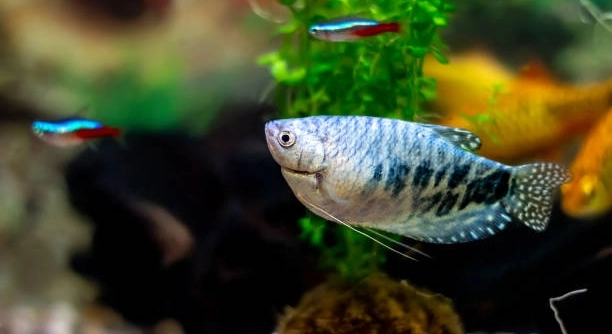
If you have a gourami tank, you might notice your fish spending time at the bottom. This behavior can be concerning, but it is often linked to specific reasons related to their environment and health.
Gourami fish may hang at the bottom due to stress, poor water quality, illness, or environmental factors. These fish are sensitive to changes, and certain conditions can cause them to retreat to lower levels for comfort and security.
Understanding why gourami fish exhibit this behavior is essential for their well-being. It can help you improve their environment and ensure they stay healthy and happy.
Poor Water Quality
Water quality is one of the most important factors influencing your gourami’s behavior. When the water is polluted, it can cause your fish to retreat to the bottom of the tank. Ammonia, nitrites, and high nitrate levels can stress your fish, leading them to seek a more stable and safer environment. This is a sign that your gourami is trying to avoid harmful substances. Regular water changes, filtration, and testing can help maintain a healthy environment for your fish.
Testing the water regularly can help prevent harmful chemicals from building up. If water conditions are poor, gourami may become lethargic and spend more time at the bottom. It’s important to remove waste and leftover food promptly.
A proper filtration system is key to keeping the water clean. Additionally, make sure the water temperature is stable, as fluctuations can also lead to stress. Regular maintenance of the tank will help your fish feel secure and thrive in a cleaner, more comfortable habitat.
Stress Factors
Stress can affect your gourami’s behavior and may lead them to hang at the bottom of the tank. Any sudden changes in their environment, such as new tank mates, bright lighting, or loud noises, can trigger anxiety in these sensitive fish.
Gourami fish are particularly sensitive to stress, so maintaining a calm and stable tank is essential. Adding decorations or plants for hiding spots can help your fish feel more secure and less stressed. Reducing disturbances, like loud sounds or vibrations, can also prevent them from feeling anxious.
If your fish are constantly hiding, check for any stressors that may be affecting them. Poor water quality, an overcrowded tank, or incompatible tank mates can all contribute to stress. By eliminating these stress factors, you can help your gourami return to its normal behavior. Providing them with a peaceful environment will reduce the risk of bottom-dwelling behavior.
Illness or Injury
If your gourami is sick or injured, it may retreat to the bottom of the tank. Illnesses such as swim bladder disease or parasites can affect their ability to swim properly, causing them to remain near the bottom. If you notice abnormal behavior, it’s important to examine your fish for any physical signs of injury or illness.
Look for symptoms like clamped fins, unusual swimming patterns, or changes in eating habits. These can all indicate health problems. Infected fish may also lose their coloration or develop lesions. Quick identification of illness or injury will help you treat your fish promptly and prevent further stress.
If your gourami’s behavior doesn’t improve after addressing potential illnesses, consider consulting with a veterinarian specializing in fish. Early treatment can make a significant difference in your fish’s recovery. Be sure to isolate any affected fish to prevent the spread of disease to others in the tank.
Temperature Fluctuations
Temperature changes can also cause your gourami to stay at the bottom of the tank. Gourami fish are sensitive to rapid temperature shifts. If the water temperature is too high or low, they will seek the cooler or warmer areas of the tank, often settling at the bottom for comfort.
Make sure the water temperature remains consistent and falls within the ideal range for gouramis, typically between 75°F to 82°F. Invest in a reliable heater and thermometer to ensure that the temperature stays stable. Fluctuating temperatures can weaken your fish’s immune system, leading to stress and increased susceptibility to diseases.
By keeping the water temperature steady, you can reduce the risk of stress and make your fish feel more comfortable. Remember to avoid placing the tank in areas where it is exposed to drafts or direct sunlight, as these environmental changes can affect the water temperature and disturb your fish’s natural behavior.
Overcrowding
Overcrowding is another reason why your gourami might spend time at the bottom. When there are too many fish in the tank, your gourami may feel stressed, unable to swim freely. This can lead them to seek a quieter area near the bottom.
Make sure to maintain an appropriate fish-to-tank ratio to reduce stress. Overcrowded tanks can lead to aggressive behavior, poor water quality, and limited space for your gourami to move around. This might cause them to hide at the bottom to avoid competition for space and resources.
Adequate space is crucial for each fish to feel secure. Regularly monitor your tank’s population and take action if overcrowding becomes an issue. This simple step can greatly improve your fish’s well-being and reduce bottom-dwelling behavior.
Water pH Imbalance
Water pH imbalances can also stress your gourami, causing it to retreat to the tank’s bottom. These fish prefer slightly acidic to neutral water, typically around a pH of 6.0 to 7.5. A pH level outside this range can affect their health.
To keep your gourami comfortable, regularly test the water’s pH and make adjustments if necessary. A pH level that is too high or too low can result in behavioral changes, including hiding at the bottom. Proper pH levels will help your fish thrive and prevent unnecessary stress.
Using a pH stabilizer or adding natural materials like driftwood can help maintain the ideal conditions for your fish. Ensure your tank is properly cycled and your filtration system is functioning well to keep the pH levels stable.
Incompatible Tank Mates
Incompatible tank mates can cause your gourami to stay at the bottom to avoid conflict. Some species are more aggressive than others and may harass or chase your gourami, forcing it to seek shelter at the bottom.
Carefully research the temperament of any fish you plan to keep with gouramis. Peaceful community fish are best, as aggressive species can increase stress and affect your gourami’s well-being. Monitoring interactions between your fish will help prevent any issues that could lead to your gourami spending excessive time at the bottom.
FAQ
Why is my gourami swimming at the bottom of the tank?
If your gourami is spending a lot of time at the bottom, it could be due to several factors. Stress, poor water quality, temperature fluctuations, or illness are common causes. Your fish might be seeking a more stable and secure area away from the disturbances in the tank. Check the water conditions, tank mates, and ensure your gourami isn’t showing signs of disease or injury.
How do I know if my gourami is sick?
Sick gouramis often show signs like clamped fins, loss of color, changes in appetite, or abnormal swimming patterns. If your gourami is floating at the bottom or has difficulty swimming, it might be a sign of illness like swim bladder disease or a parasite. Examining your fish for any physical signs such as lesions, swelling, or an unusual body posture will help identify potential problems. Quick intervention can prevent the condition from worsening.
Can temperature changes cause my gourami to stay at the bottom?
Yes, temperature fluctuations can stress your gourami, making it seek the bottom of the tank. These fish prefer stable water temperatures, and sudden drops or spikes in temperature can cause them to become lethargic or disoriented. Make sure your heater is functioning properly and keep the tank in a room with minimal temperature changes. Maintaining a steady water temperature is crucial for their comfort.
What is the ideal tank size for a gourami?
Gourami fish generally need a tank of at least 20 gallons to thrive. Smaller tanks can lead to overcrowding and increased stress. A larger tank provides more space for your gourami to swim and explore, reducing the likelihood of bottom-dwelling behavior. Ensure your tank is equipped with proper filtration and that you maintain the right water conditions to support your fish’s health.
How often should I change the water in my gourami tank?
Regular water changes are essential for maintaining a healthy environment for your gourami. Aim for changing 20-30% of the water every 1-2 weeks, depending on your tank’s size and the number of fish. Be sure to use a water conditioner to remove chlorine or chloramine, as these chemicals can harm your fish. Regular changes help maintain water quality, preventing the buildup of harmful toxins that can stress your gourami.
Can I keep other fish with my gourami?
Yes, gouramis can be kept with other peaceful fish. However, they do best with other calm species. Avoid aggressive or territorial fish, as they can cause stress and may force your gourami to retreat to the bottom. Some good tank mates for gouramis include tetras, peaceful barbs, and other small, non-aggressive species. Always ensure that the size and temperament of all tank mates are compatible.
What should I do if my gourami’s behavior doesn’t improve?
If your gourami continues to hang at the bottom or shows no improvement after adjusting water quality and temperature, it may be necessary to isolate the fish for closer monitoring. Check for signs of illness and consult a veterinarian if needed. If the problem persists despite these efforts, consider re-evaluating tank conditions, removing any potential stressors, or changing tank mates to see if this resolves the issue.
How do I maintain proper water quality for my gourami?
To maintain proper water quality, regularly test the water for ammonia, nitrites, and nitrates. Aim for ammonia and nitrite levels of 0 ppm and nitrate levels below 20 ppm. Use a reliable filtration system to keep the water clean, and perform water changes regularly to remove waste and excess nutrients. Keeping the water at the correct pH and temperature is also essential to avoid stress.
Can a gourami get stressed by its environment?
Yes, gouramis are sensitive to changes in their environment, and any disruptions like loud noises, sudden changes in lighting, or new fish added to the tank can cause stress. To keep your gourami calm, provide hiding spots such as plants, caves, or decorations where it can feel secure. Avoid making drastic changes to the tank too quickly, and try to create a peaceful and stable atmosphere.
How do I prevent my gourami from staying at the bottom due to overcrowding?
To prevent overcrowding, ensure your tank has enough space for each fish. A general guideline is one inch of fish per gallon of water. If your tank is getting too crowded, consider upgrading to a larger one or removing some fish. Overcrowding can lead to poor water quality, increased competition for food, and heightened stress, all of which may cause your gourami to stay at the bottom.
Can gouramis live with snails?
Yes, gouramis can coexist with snails. Snails are generally peaceful and can help keep the tank clean by eating algae and leftover food. However, be cautious with large or aggressive snails, as they could potentially harm smaller fish or compete for space. Monitor interactions and ensure that both species are not causing each other stress.
How do I improve my gourami’s health?
Improving your gourami’s health involves maintaining proper water conditions, avoiding overcrowding, and reducing stress factors in the tank. Feed your fish a balanced diet and keep the water clean and well-filtered. Regular tank maintenance and routine water changes will ensure your gourami remains healthy and active. If you notice any signs of illness, take action quickly to avoid further health issues.
Final Thoughts
Understanding why your gourami spends time at the bottom of the tank is essential for maintaining its health and well-being. Several factors can contribute to this behavior, including stress, poor water quality, overcrowding, or illness. By closely monitoring the tank environment and making necessary adjustments, you can help your gourami feel more secure and comfortable. Providing enough space, maintaining proper water conditions, and ensuring compatible tank mates will make a significant difference in your fish’s behavior. Being proactive about addressing these issues can prevent further complications and improve your gourami’s overall quality of life.
It’s important to remember that fish, like all pets, have their own personalities and preferences. While some gouramis may naturally spend more time near the bottom, others may prefer swimming higher in the tank. However, if your gourami is consistently staying at the bottom and showing signs of distress, it’s crucial to investigate potential causes. By checking the water parameters, ensuring proper tank conditions, and providing a stress-free environment, you can create a healthier and happier habitat for your fish. Regular observation and prompt action will help you address any issues before they become more serious.
In conclusion, creating a well-balanced and peaceful tank environment for your gourami is the key to reducing bottom-dwelling behavior. By considering factors like water temperature, tank size, water quality, and compatible tank mates, you can ensure that your gourami thrives. With proper care and attention, your gourami will enjoy a more active and healthier life, spending less time at the bottom and more time exploring its surroundings. Maintaining these conditions will also help prevent the onset of illnesses, ensuring your fish remains happy and vibrant.

Hello,
If you enjoy the content that we create, please consider saying a "Thank You!" by leaving a tip.
Every little bit helps us continue crafting quality advice that supports the health, happiness, and well-being of pets around the world, for pets of all shapes, sizes, and species.
We really appreciate the kindness and support that you show us!