
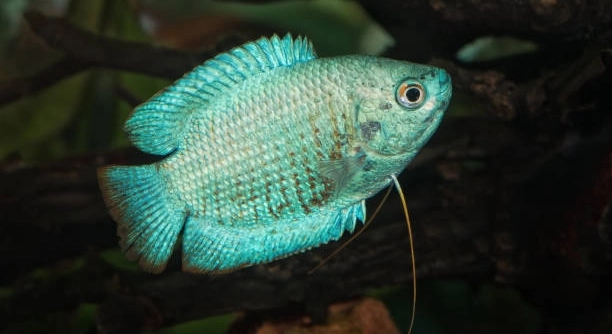
Have you ever watched your gourami swim and wondered whether the water movement affects their comfort and behavior in the tank? Understanding their preferences can help create a more peaceful and balanced aquarium environment.
Gourami generally prefer calm or slow-moving water. Strong currents can cause stress and affect their ability to swim comfortably. In their natural habitats, gourami often inhabit still or gently flowing waters, making gentle circulation ideal for their health.
Creating the right flow in your aquarium can make a big difference in your gourami’s daily behavior and overall well-being.
Understanding Gourami and Water Flow Preferences
Gourami are freshwater fish that naturally live in still or slow-moving waters such as ponds, swamps, and gentle streams. These calm environments allow them to swim with ease and access the surface for air, thanks to their labyrinth organ. When placed in an aquarium with strong water flow, gourami may show signs of stress, such as hiding, struggling to swim, or avoiding certain areas of the tank. Over time, too much current can affect their feeding habits and overall behavior. It’s important to replicate their natural conditions to ensure their comfort and health in a home setup. A calm environment not only supports their well-being but also encourages natural behaviors, such as bubble nest building in some species. By observing how your gourami respond to their tank conditions, you can make small adjustments to improve their environment and help them feel more secure in their space.
A gentle filter setting or a sponge filter can create a more suitable water flow for your gourami without disturbing their swimming habits or breeding behaviors.
Choosing decorations like tall plants, driftwood, or rock formations can also help buffer the current and provide resting areas. These small additions make it easier for gourami to find calm spots and stay relaxed.
Balancing Filtration and Comfort
Strong filters may be efficient at cleaning, but they often create currents that are too fast for gourami. Instead of removing your filter altogether, consider redirecting the flow or using pre-filter sponges to soften it.
If your aquarium setup includes multiple species, it’s helpful to observe how the current affects each one. Some fish may enjoy the movement, while gourami may shy away from it. You can strike a balance by placing plants or decorations in areas with stronger currents, allowing more passive zones elsewhere in the tank. Additionally, check the positioning of your filter outflow. Pointing it toward a tank wall or downward can reduce the strength of the current. For smaller tanks, air-driven sponge filters are ideal since they provide both mechanical and biological filtration without causing excessive disturbance. Ensuring your gourami feel at ease helps prevent stress-related issues and promotes natural behavior. Regular observation and minor adjustments go a long way in supporting a calm, healthy tank environment.
Recognizing Signs of Stress in Gourami
When gourami are uncomfortable with strong currents, they may avoid open areas and spend more time hiding. You might also notice them struggling to swim or resting near the bottom more than usual.
Gourami that are constantly pushed around by the current often become tired, lose interest in food, or appear less active. They may avoid swimming near the filter outflow and stick to corners or behind decorations. Fins held close to the body, faded coloration, and rapid gill movement can also indicate discomfort or stress. These changes may not always be obvious at first, but over time, they can impact your fish’s health. A calm environment allows your gourami to explore freely and interact naturally. Watching their daily habits and adjusting flow when needed helps prevent long-term health issues and creates a stable environment they can thrive in.
Behavior changes linked to stress often develop gradually. If your gourami become more aggressive, stop building bubble nests, or show signs of poor appetite, check the current first. Even a moderate adjustment to water flow can help reverse these issues. Monitoring your fish regularly allows you to catch early signs before they lead to more serious problems in the tank.
Creating Calm Zones in the Aquarium
Strategic placement of tank décor can make a noticeable difference in current control. Use tall plants, driftwood, or rocks to break up flow and offer your gourami safe, still zones to rest and explore.
Aquarium layout plays a big role in how water moves through the tank. By placing heavier decorations in front of the filter outflow, you can soften the current naturally. Floating plants like water lettuce or duckweed also reduce surface movement, which benefits gourami that rely on air breathing. Consider dividing your tank visually by creating clusters of cover in different areas. This allows gourami to navigate freely and choose where they feel most secure. If using a power filter, adjust the flow rate if your model allows it. You can also attach a pre-filter sponge to reduce turbulence. Providing layers of cover not only helps with water flow but also makes the environment feel more natural and less exposed for your fish.
Adjusting Equipment for Better Flow
Using a spray bar attachment on your filter can help spread out the flow more evenly. This softens strong currents and makes the tank more comfortable for gourami without affecting filtration efficiency.
An adjustable flow filter gives you more control over water movement. Lower settings are usually enough for a calm setup.
Choosing Tank Mates Wisely
Some fish prefer fast currents, which can lead to conflicting needs in a shared tank. When choosing tank mates for gourami, it’s best to stick with peaceful species that enjoy similar calm conditions. Harlequin rasboras, Corydoras catfish, and certain tetras are good options. Avoid fast swimmers like danios or barbs that may disturb the calm water balance or cause stress. Watching interactions between species can also help you decide if the tank setup suits everyone. If you notice any chasing or territorial behavior, rearranging décor or increasing hiding spots can help maintain peace. A well-matched community tank supports both harmony and fish health.
Keeping Things Consistent
Gourami feel more secure in stable environments. Sudden changes in current, lighting, or tank layout can cause stress, so it’s best to make slow, steady adjustments when needed.
FAQ
Do gourami like slow or fast water flow?
Gourami prefer slow or gentle water flow, as their natural habitats consist of still or gently flowing waters. Strong currents can cause stress and affect their swimming behavior. For a more comfortable environment, it’s best to provide calm, slow-moving water.
Can I adjust the filter flow to suit my gourami?
Yes, many filters come with adjustable flow settings, allowing you to lower the water movement. If your filter doesn’t have this feature, you can redirect the outflow or use a spray bar to diffuse the current. Using a sponge filter is also an option to reduce movement.
How can I tell if the current is stressing my gourami?
If your gourami are hiding more than usual, have difficulty swimming, or seem to struggle against the flow, they may be stressed. You may also notice them staying near the tank’s bottom or avoiding the area near the filter. Other signs include faded coloration, rapid gill movement, and reduced appetite.
What can I do to reduce the current in my tank?
To reduce the current, you can adjust the filter’s flow rate, redirect the water outflow, or use a spray bar. Adding decorations like plants, rocks, or driftwood will block and soften the current. You can also add a pre-filter sponge to the intake to decrease turbulence.
Are there any tank decorations that help reduce current?
Yes, decorations like tall plants, driftwood, and rocks can break up the flow and create calm zones for your gourami. Position these items near the filter outflow to deflect the current. Floating plants can also help reduce surface movement, creating a more relaxed environment.
Can I keep gourami with fish that prefer faster currents?
It’s not recommended. Gourami prefer calm waters, while fast swimmers like danios or barbs need stronger currents. This can lead to stress for your gourami. Choosing tank mates that enjoy similar water conditions is key to a healthy and peaceful community tank.
How do I know if my gourami are comfortable with the water flow?
Observe their behavior. If they swim freely and actively explore the tank without hiding, they are likely comfortable. If they seem lethargic, spend most of their time hiding, or avoid the filter area, the flow may be too strong.
Can water temperature affect how gourami respond to current?
Yes, water temperature can impact a fish’s ability to handle current. Gourami, being tropical fish, prefer warmer water. Colder water can make them sluggish, and they may struggle more against strong currents. Maintaining a stable, warm temperature will help your gourami feel more comfortable.
Do gourami need a specific type of filter?
Gourami don’t require a specific type of filter, but a filter with adjustable flow or a gentle sponge filter is ideal. These options maintain water quality without creating strong currents. For larger tanks, use a filter that can handle the volume without causing excessive movement.
Can gourami tolerate low oxygen levels in their water?
Gourami are labyrinth fish, meaning they can take in oxygen from the air, but they still require a certain amount of dissolved oxygen in the water. Low oxygen levels can stress them, and they may come to the surface more often. Ensure good water circulation without creating strong currents.
How often should I adjust the water flow for gourami?
Once you’ve set a flow rate that works for your gourami, it should remain consistent. However, if you notice behavioral changes or stress signs, consider adjusting the current. Regular water changes and filter maintenance can help ensure the tank’s flow remains optimal.
Are there any signs that indicate the current is too strong for my gourami?
Yes, signs of too strong a current include lethargy, hiding more frequently, avoiding the filter area, and struggling to swim. Gourami may also appear to be disoriented, having difficulty staying afloat, or may swim sideways against the flow. These are all indicators that the current should be adjusted.
Can I keep multiple species of gourami in the same tank with different flow preferences?
It’s best to avoid keeping gourami species with differing flow preferences in the same tank. Most gourami species prefer similar calm conditions. If different flow preferences are unavoidable, ensure the tank has enough hiding spots and safe zones for the less-flow-tolerant gourami.
Is it safe to use a powerhead in a tank with gourami?
A powerhead can be used, but it should be positioned carefully to avoid creating strong currents that will stress your gourami. Using a powerhead with a flow control or diffuser attachment can help regulate the water flow. Make sure the overall tank setup suits all inhabitants.
Can I use a sponge filter for gourami?
Yes, sponge filters are an excellent choice for gourami. They provide gentle water movement and help maintain biological filtration. They’re especially useful in smaller tanks, where strong currents could disrupt your gourami’s comfort. Sponge filters also provide aeration without creating turbulence.
Final Thoughts
Gourami are delicate fish that thrive in calm, stable environments. Strong currents can cause them stress, affecting their health and behavior. By understanding their preference for slow-moving water, you can create a peaceful environment that supports their well-being. Keeping the flow gentle will help gourami feel more comfortable, allowing them to exhibit natural behaviors like foraging and swimming without struggle.
Adjusting the water flow in your tank is essential to maintaining a healthy space for your gourami. Simple changes, like using a spray bar or lowering the filter flow, can make a significant difference. Incorporating plants, driftwood, or rocks can further help soften the water movement. It’s important to be mindful of the tank’s overall setup, ensuring that your gourami’s need for calm conditions is met while still maintaining proper filtration. This balance is key to supporting both the health of your fish and the cleanliness of the tank.
In addition to adjusting the flow, always keep an eye on your gourami’s behavior. If you notice them hiding more or struggling against the current, it may be a sign to modify the environment. Regular tank maintenance and careful selection of tank mates can also contribute to a peaceful aquarium. By creating a comfortable, low-stress environment, your gourami will have the best chance at thriving, making for a happy and healthy aquarium setup.

Hello,
If you enjoy the content that we create, please consider saying a "Thank You!" by leaving a tip.
Every little bit helps us continue crafting quality advice that supports the health, happiness, and well-being of pets around the world, for pets of all shapes, sizes, and species.
We really appreciate the kindness and support that you show us!