
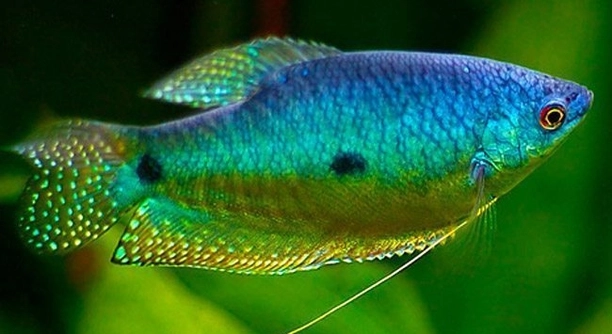
Gourami fish are beautiful and peaceful creatures, but sometimes they may not be as healthy as we’d like them to be. Recognizing the early signs of illness or distress in your fish is crucial for their care and survival.
The most common signs that your gourami may be dying include abnormal swimming behavior, loss of appetite, lethargy, clamped fins, discoloration, rapid gill movement, and abnormal body positioning. These symptoms indicate that your fish is in distress and may need immediate attention.
Recognizing these symptoms early on is essential for timely intervention and care to improve your gourami’s health. Understanding how to address these signs can greatly impact their overall well-being.
1. Abnormal Swimming Behavior
If your gourami is swimming erratically or staying near the surface or bottom of the tank, it could be a sign that something is wrong. Healthy gouramis are generally active swimmers. However, if they appear sluggish or struggle to swim, it might indicate poor water conditions or internal issues. It’s important to observe if the fish is swimming in circles or darting around aimlessly, which could signal distress. Sometimes, if a fish has difficulty staying upright, it may be suffering from a swim bladder issue, affecting its buoyancy and making swimming challenging.
These behaviors should not be ignored. They can point to various problems, from water quality issues to internal parasites. Paying attention to your gourami’s swimming pattern helps catch health problems before they become too serious. Regular water changes, maintaining the right water temperature, and checking for parasites or infections are crucial for healthy fish.
If your gourami’s abnormal behavior persists, it’s worth testing your water parameters and seeking advice from a fish care expert or veterinarian.
2. Loss of Appetite
Loss of appetite in a gourami is often a sign of stress or illness. A healthy fish will eagerly accept food and display excitement during feeding time. When this behavior changes, it can indicate something is wrong.
There are many potential causes for a gourami refusing food. Water temperature, poor water quality, or stress from aggressive tankmates can all lead to a lack of appetite. It could also signal an underlying health issue, such as internal parasites or a digestive disorder. Monitor your fish’s eating habits closely, as not eating for an extended period can weaken its immune system.
It’s important to adjust your tank conditions and try offering different foods to see if your fish shows interest. Sometimes, providing live foods or adding supplements can tempt your fish to eat. If the problem continues, you may need to treat for any possible diseases.
3. Lethargy and Inactivity
Lethargy is one of the most noticeable signs that your gourami may be in trouble. A healthy gourami should swim actively and interact with its environment. If your fish is consistently hiding or resting on the bottom, it’s a cause for concern. Lack of energy could indicate internal issues, water imbalances, or even a fungal infection.
It’s crucial to monitor your fish’s behavior closely. If lethargy persists for more than a few days, examine the water conditions first. Poor water quality can stress your fish and lead to decreased activity. Check the temperature, pH levels, and ammonia levels. Sometimes, the fish might need medical treatment, especially if the lethargy is accompanied by other symptoms.
Keep an eye on your fish for any signs of further distress. If nothing improves, a veterinarian’s advice could be helpful in diagnosing a possible infection or disease. Taking swift action may make a difference in saving your gourami.
4. Clamped Fins
Clamped fins are a common sign that something is wrong with your gourami. Healthy fish will have their fins spread out as they swim. When the fins are held close to the body, it often indicates stress or illness. This symptom is frequently seen in fish with poor water quality, parasites, or infections.
The most common cause of clamped fins is water conditions. If ammonia or nitrite levels are high, the fish will try to minimize movement to conserve energy. Clamped fins could also point to a physical injury, particularly if the fish has been in contact with sharp objects in the tank.
If clamped fins are persistent, you need to take immediate action. Test your water quality and remove any harmful substances. Also, check for potential diseases or parasites. If the clamping continues, it may be time to consider professional treatment.
5. Discoloration
Discoloration in your gourami’s scales is another sign to watch out for. A healthy fish should have vibrant, even coloring. If you notice pale, dark, or patchy spots, it could indicate a health issue, such as a parasite or infection.
Discoloration often occurs when your fish is stressed, due to poor water conditions or illness. Infections like velvet disease or columnaris can cause a change in coloration. If your gourami’s skin becomes more translucent or has unusual spots, it’s important to check for these conditions and treat them accordingly.
Monitor your fish closely and make sure to maintain clean water to avoid further deterioration. Prompt treatment can prevent the issue from worsening.
6. Rapid Gill Movement
Rapid gill movement is often a sign that your gourami is struggling to breathe. Healthy fish have steady gill movement, but if your fish is gasping at the water’s surface or its gills are flaring rapidly, it could be due to oxygen deficiency, water contamination, or an infection.
When oxygen levels drop, fish will work harder to breathe. High ammonia, nitrite, or low oxygen in the tank can contribute to this problem. If your gourami is visibly stressed, it’s essential to test your water immediately and correct any imbalances to help your fish breathe easier.
Addressing water quality and ensuring a proper filtration system can significantly reduce this issue.
FAQ
What is the best water temperature for my gourami?
Gourami fish thrive in warm water, typically between 75°F and 82°F (24°C – 28°C). It’s important to keep the water temperature stable, as sudden changes can stress your fish. A reliable heater and thermometer will help maintain the ideal temperature. Additionally, avoid fluctuations, as they can cause illness or discomfort to your gourami.
How often should I change the water in my gourami’s tank?
Changing the water regularly is crucial for maintaining a healthy environment. Aim to change 25% to 30% of the water every two weeks. If you have a smaller tank or more fish, more frequent water changes may be needed. Be sure to use a water conditioner to remove chlorine and chloramine.
Why is my gourami staying at the bottom of the tank?
If your gourami is constantly staying at the bottom, it could be a sign of stress, poor water conditions, or illness. Check your water quality, including pH, ammonia, and nitrate levels. If the water is not the issue, consider factors such as temperature fluctuations, aggression from other fish, or internal health problems.
How can I tell if my gourami is stressed?
Signs of stress in gourami fish include hiding, rapid breathing, clamped fins, and erratic swimming. Stressed fish often show a lack of appetite, and their colors may fade. Stress can be caused by water quality issues, overcrowding, or aggressive tankmates. Ensuring a stable environment and monitoring fish behavior can help reduce stress.
Should I separate a sick gourami from the tank?
Yes, it’s a good idea to quarantine sick fish in a separate tank to prevent the spread of potential diseases to other fish. Make sure the quarantine tank has similar water parameters, and keep the environment stress-free. This allows you to treat the sick fish without affecting the others in your main tank.
Can gourami fish live with other species?
Gourami fish are generally peaceful and can live with other species, as long as their tank mates are non-aggressive. Avoid keeping them with overly territorial fish, such as bettas or large cichlids, as they may stress out your gourami. Community fish, such as tetras or peaceful barbs, usually make good companions.
What should I feed my gourami?
Gouramis are omnivorous and will eat a variety of foods, including high-quality pellets, flakes, live or frozen foods like brine shrimp, and vegetables. A balanced diet is important to keep them healthy. Offer a mix of protein and plant-based foods to ensure your fish gets all the nutrients it needs.
Why is my gourami’s skin turning white?
White spots or a white appearance on your gourami’s skin could indicate a skin infection, parasites, or stress. Conditions like Ich (white spot disease) are common in freshwater fish. If you notice white patches, quarantine the affected fish and treat them with an appropriate medication after consulting with a vet or aquatic expert.
Can I use aquarium salt for my gourami?
Aquarium salt can be used to treat certain ailments in gouramis, such as external parasites or stress-related conditions. However, it should be used with caution. Always follow the recommended dosage and make sure to dissolve the salt before adding it to the tank. Some species of gourami may not tolerate salt, so check first if your fish is one of them.
How do I maintain good water quality for my gourami?
Good water quality is vital for your gourami’s health. Regularly test the water for ammonia, nitrite, nitrate, and pH levels. A good filtration system will help keep the water clean and oxygenated. Additionally, avoid overfeeding and remove excess food to prevent water pollution. Perform partial water changes every two weeks to keep the environment fresh.
What are some common diseases that affect gourami fish?
Gouramis can be affected by diseases like Ich, Velvet, columnaris, and fin rot. Ich appears as small white spots on the skin, while Velvet causes a gold or rust-colored coating. Columnaris is a bacterial infection that affects the skin and gills. Preventative care and maintaining good water quality can reduce the likelihood of these diseases.
How do I know if my gourami has parasites?
Signs of parasites in gourami fish include abnormal swimming behavior, scratching against objects, loss of appetite, and visible spots or lesions on the skin. If you suspect parasites, it’s important to isolate the infected fish and treat it with an appropriate anti-parasitic medication. Testing the water for any imbalances can help reduce the risk.
What should I do if my gourami is bloated?
A bloated gourami could be suffering from overfeeding, constipation, or internal parasites. If the bloating is due to overfeeding, fasting your fish for a few days may help. For constipation, try offering peas or a specially designed fish laxative. If bloating is persistent or accompanied by other symptoms, consult an expert.
Final Thoughts
When it comes to caring for your gourami, paying attention to small changes in their behavior or appearance is crucial. These fish are relatively hardy, but they can still be affected by poor water quality, stress, or diseases. Monitoring their health regularly will help you catch issues early and prevent more serious problems down the line. By understanding the common signs of distress or illness, you can take quick action and ensure your gourami stays healthy.
Maintaining good water quality is one of the most important aspects of gourami care. Regular water changes, proper filtration, and monitoring parameters like pH, ammonia, and nitrate levels will help your fish thrive. It’s also important to create a peaceful environment by avoiding overcrowding and aggressive tankmates. With the right tank conditions and proper feeding, your gourami will have a better chance of living a long, healthy life.
While watching for signs of illness is essential, it’s also helpful to provide your gourami with a varied and nutritious diet. Offering different types of food, such as pellets, live foods, and vegetables, can keep them healthy and satisfied. With proper care, your gourami will not only survive but thrive, providing you with a beautiful and peaceful addition to your aquarium.

Hello,
If you enjoy the content that we create, please consider saying a "Thank You!" by leaving a tip.
Every little bit helps us continue crafting quality advice that supports the health, happiness, and well-being of pets around the world, for pets of all shapes, sizes, and species.
We really appreciate the kindness and support that you show us!