
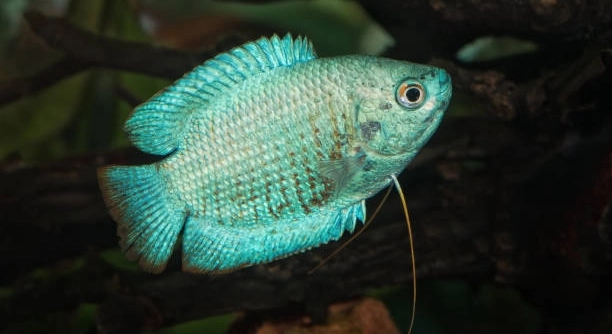
Do your gouramis seem a little off lately, even though their tank looks clean and well-maintained? The filter you’re using might be part of the problem, especially if it’s not suited to their needs.
The best filter type for gourami is a sponge filter or a gentle hang-on-back (HOB) filter. These filters provide adequate filtration without creating strong currents, which can stress gouramis. Calm water flow helps maintain their comfort and health.
Choosing the right filter ensures your gouramis stay active, stress-free, and healthy in their aquatic environment. Let’s take a closer look at the options.
Why Gouramis Need Gentle Filtration
Gouramis are labyrinth fish, meaning they breathe air from the surface. Because of this, they prefer calm water with minimal surface disturbance. Filters that produce strong currents can interfere with their natural behavior and cause unnecessary stress. When the flow is too strong, gouramis may struggle to swim comfortably or avoid certain areas of the tank. This can lead to inactivity, poor appetite, or health problems over time. A soft flow also allows them to reach the surface easily without resistance. Proper filtration should clean the tank while maintaining a peaceful environment. It’s also important to avoid filters that agitate the water too much, as it may discourage them from using their labyrinth organ.
A sponge filter is gentle, easy to maintain, and provides both mechanical and biological filtration. It’s especially useful in smaller tanks or breeding setups.
Hang-on-back filters can also work well if the flow is adjustable. Set it to a lower setting to suit their needs.
Choosing the Best Filter Type
A sponge filter is the safest option if your tank is under 20 gallons. For larger setups, choose a low-flow HOB filter.
Sponge filters offer quiet operation and simple maintenance. They’re ideal for beginners and experienced keepers alike. Air-driven, they don’t stir up debris aggressively and give beneficial bacteria space to grow. While they don’t filter as thoroughly as canisters or HOBs, they’re sufficient for lightly stocked tanks. Hang-on-back filters, when adjusted properly, are suitable for moderate tank sizes and can provide stronger cleaning without overwhelming your gouramis. Some models include adjustable flow controls, which help balance cleaning power with gentle circulation. Avoid power filters with strong, unchangeable outputs. If you already have one, consider baffling the outflow using a sponge or plastic bottle to reduce the current. For tanks over 30 gallons, a combination of sponge filters and a low-flow HOB filter can be effective. Always match the filter’s strength to your gouramis’ behavior. If they’re hiding often or staying at the bottom, the flow may be too high.
Filter Maintenance Tips
Clean your filter regularly to keep it working well and avoid harming beneficial bacteria. Rinse sponge filters in tank water during water changes to remove debris without killing helpful microbes.
For sponge filters, a gentle squeeze in old tank water every 2–4 weeks is usually enough. This clears waste without removing the bacteria colonies your tank needs. For HOB filters, rinse or replace cartridges monthly, depending on buildup. Avoid using tap water directly on filter media unless it’s dechlorinated. If you replace filter pads, do not change all media at once, or you risk losing biological filtration. Keep an eye on flow rates—if the filter output drops, it might be clogged or overdue for cleaning. Consistent maintenance supports water clarity and your gouramis’ health.
Monitor the filter noise, flow, and clarity of the water. If anything changes noticeably, it’s time to check for blockages or buildup. Maintenance doesn’t take long but makes a big difference.
Signs Your Filter Isn’t Right
If your gouramis stay low, avoid swimming, or gasp at the surface often, your filter may be stressing them out. Too much movement at the top or constant hiding can also point to a filter issue.
Watch for torn fins, especially on long-finned gouramis, which can result from strong currents. If floating food gets pushed too hard around the tank, that’s another sign the flow is excessive. Sudden aggression or loss of appetite might not be behavioral but linked to stress caused by the filter. A proper filter should help, not disrupt. Always choose models based on tank size, fish type, and adjustable flow. If your current setup shows these signs, switch to a softer alternative. In multi-fish tanks, balance needs so everyone remains healthy. Making small changes can ease the environment and let your gouramis feel safe and thrive.
Extra Ways to Reduce Flow
Use a pre-filter sponge on the intake to soften the suction and reduce strong pull. This also prevents small debris and fish from getting caught in the intake.
Place decorations or plants in front of the output area to break up the current. This keeps the water calm without stopping filtration.
Best Filter Setup for Breeding Gouramis
A sponge filter is the top choice for breeding tanks. It’s air-driven, produces gentle flow, and won’t harm delicate fry. The soft bubbles provide light surface movement without disturbing bubble nests. Fry can safely swim around it, and the filter won’t suck them in. It also gives a surface for microorganisms to grow, which helps feed young fish. Keep water changes frequent but small to avoid stressing the fry. Do not add powerful filters during this stage. A simple air pump and sponge combo is easy to clean and gentle enough to support both adults and babies without risks.
When to Upgrade Your Filter
If your tank gets cloudy often or your fish show signs of stress, it might be time to upgrade. A better filter supports healthier water and happier fish.
FAQ
Can gouramis live without a filter?
Gouramis can survive without a filter in some cases, but it’s not ideal for long-term health. They need stable water conditions, and filters help remove waste and keep the water oxygenated. Without one, toxins build up quickly, especially in small tanks. Frequent water changes would be required, often daily, to keep things safe. A sponge filter or gentle HOB is better than no filter. Even though gouramis can breathe air from the surface, they still benefit from clean, well-filtered water to stay healthy and active.
What’s the best filter type for a 10-gallon gourami tank?
A sponge filter is the best choice for a 10-gallon tank. It’s gentle, easy to clean, and provides both mechanical and biological filtration. This type of filter won’t create strong currents and is safe for smaller gourami species. If you prefer a hang-on-back filter, make sure the flow rate is adjustable and keep it on the lowest setting. Add a pre-filter sponge to reduce suction and keep fry or shrimp safe. Avoid power filters that produce too much flow for the size of the tank.
How often should I clean my gourami tank filter?
Clean your filter every 2–4 weeks, depending on your tank’s stocking and filter type. Use old tank water to rinse sponge filters or reusable media to protect the beneficial bacteria. Avoid using tap water unless it’s been treated to remove chlorine. For HOB filters, change or rinse cartridges monthly and never replace all media at once. If you notice a reduced flow or noise from the filter, that’s a sign it’s time for cleaning. Keeping your filter clean helps maintain water clarity and reduces stress on your gouramis.
What happens if the filter flow is too strong?
If the flow is too strong, gouramis may hide, stop eating, or avoid swimming near the current. They might stay low in the tank or struggle to reach the surface to breathe. Long-finned gouramis can also suffer torn fins from rough water movement. Strong flow can disturb their natural behavior and bubble nesting if you’re breeding. To fix this, reduce the flow on the filter or place decorations to break up the current. You can also add a pre-filter sponge or baffle the output using a filter sponge or plastic bottle piece.
Can I use a filter and an air stone together?
Yes, you can use both as long as the tank isn’t too small or crowded. An air stone improves surface movement and adds extra oxygen, which is helpful in warm water where oxygen levels can drop. Pairing it with a sponge filter is common and works well. If you use a HOB filter and an air stone together, make sure the combined flow doesn’t stress your gouramis. Watch their behavior to see if the movement is too strong, and adjust the placement of the air stone to avoid stirring the water too much.
Do bubble nests get ruined by filters?
They can if the surface movement is too strong. Male gouramis build bubble nests at the surface, and too much agitation can break them apart. This is especially important during breeding. A sponge filter or a baffled HOB filter helps reduce surface disturbance. Placing floating plants nearby can also protect the nest area from current. If you’re breeding gouramis, always use a gentle setup and avoid power filters or high-flow devices. Soft, steady filtration supports nest building and keeps the environment safe for fry once they hatch.
How do I know if my filter is working properly?
Check for steady water flow and listen for unusual noise. If your filter is humming loudly or vibrating, it may be clogged or worn out. Water should be moving, even if gently, and the output should be consistent. Clear water and active fish are good signs the filter is doing its job. If you see buildup around the intake or the flow slows down noticeably, it’s time to clean it. Regular maintenance and observing your fish will help you catch problems early and keep your tank running smoothly.
Final Thoughts
Choosing the best filter for your gourami tank depends on the size of the tank, the type of gourami, and how strong the filter flow is. Gouramis prefer gentle water movement, so sponge filters and low-flow hang-on-back (HOB) filters are often the best options. These filters provide the needed biological and mechanical filtration while keeping the current soft and manageable. Strong filters with fast water flow can stress your gourami, especially those with long fins. Always check if the filter flow is suitable by watching your fish’s behavior and adjusting as needed.
Sponge filters are a good choice for tanks under 20 gallons. They are affordable, easy to clean, and provide a soft flow that works well for most gourami species. For larger tanks, a HOB filter with adjustable flow settings can also work well. Adding a sponge to the intake or using decorations to break the current helps keep things calm. Air stones can be used with sponge filters or even alone to add extra oxygen without stressing the fish. Make sure the tank isn’t overcrowded, as more fish mean more waste, which places extra load on the filter.
Filters are important not just for clean water but also for keeping ammonia and nitrite levels low. These substances can build up quickly in tanks without filtration, even with regular water changes. A good filter helps support the beneficial bacteria that break down waste and keep the tank healthy. Without a filter, you would need to do water changes almost daily to avoid problems. While gouramis can breathe air from the surface, they still benefit from stable water quality. Clean water, a calm flow, and steady oxygen levels will help your gouramis stay active, eat well, and live longer. Whether you’re keeping a single dwarf gourami or a group of pearl gouramis, the right filter will make a big difference in their overall well-being.

Hello,
If you enjoy the content that we create, please consider saying a "Thank You!" by leaving a tip.
Every little bit helps us continue crafting quality advice that supports the health, happiness, and well-being of pets around the world, for pets of all shapes, sizes, and species.
We really appreciate the kindness and support that you show us!