
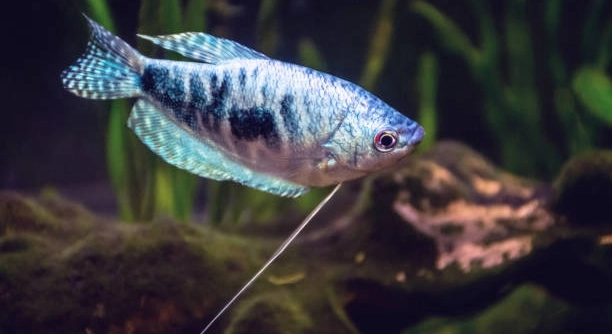
Gourami fish are beautiful, peaceful creatures often chosen for aquariums. However, before adding one to your tank, it’s important to know a few things to ensure they thrive. Let’s explore some key points to consider.
Gourami are relatively low-maintenance fish but require specific water conditions, space, and tank mates to stay healthy. Understanding their care needs, diet, and behavior is crucial before introducing them to your aquarium.
There are a few important factors to keep in mind before bringing home a Gourami. Knowing how to care for them will ensure a happy and healthy environment for your new fish.
Understanding Gourami Behavior
Gourami are known for their calm nature and unique swimming style. However, they can be shy and will often hide if they feel stressed. It’s important to create an environment where they feel safe and comfortable. These fish are peaceful by nature, but they may become territorial, especially when housed with similar species. They communicate with each other through subtle movements and sometimes through changes in their coloring. Observing these behaviors can help you understand their mood and how to care for them.
They are not aggressive, but their space is important. Gourami can be territorial, and having enough room in your tank will prevent conflicts. Keep in mind, that adding too many fish in a small tank could increase their stress levels.
Proper tank setup can reduce stress and encourage the best behavior in your Gourami. A spacious tank with plants and hiding spots can make a big difference in how they interact with their environment and other fish.
Ideal Tank Conditions for Gourami
Maintaining the right water conditions is crucial for your Gourami’s well-being. They thrive in water with a temperature between 75°F to 80°F and slightly acidic to neutral pH levels. Regular water changes are necessary to ensure the water stays clean and free from toxins. Be sure to monitor the water quality closely with a testing kit to keep it within the ideal range for Gourami.
When setting up the tank, make sure it is large enough to accommodate their space needs. A tank of at least 20 gallons is recommended. Gourami need both horizontal and vertical space, as they enjoy swimming freely and will often rise to the surface to gulp air. Adding live plants and decorations gives them places to hide and feel secure, which helps reduce stress and promotes natural behavior.
Maintaining good water conditions and providing a well-planted environment will help keep your Gourami happy and healthy. Their environment plays a large role in preventing illness and stress.
Gourami Diet and Feeding
Gourami are not picky eaters but thrive on a varied diet. You can feed them high-quality pellets or flakes along with occasional live or frozen foods like brine shrimp, bloodworms, and daphnia. Feed them small amounts two to three times a day to avoid overfeeding.
A balanced diet is essential for keeping your Gourami healthy and vibrant. Overfeeding can lead to health issues like poor water quality and obesity. Providing variety will ensure they get the necessary nutrients. Be sure to adjust their feeding schedule depending on their size and activity level.
Remember, Gourami are slow eaters. Be patient and avoid feeding them too much at once. Any uneaten food should be removed to prevent water contamination. Feeding them a mix of plant-based and protein-rich foods will keep them strong and colorful.
Gourami Tank Mates
Choosing the right tank mates is crucial for your Gourami’s well-being. They generally do well with peaceful fish that won’t disturb their calm nature. Avoid keeping them with aggressive or overly active species that may stress them out.
Some good companions for Gourami are small tetras, peaceful corydoras catfish, and other slow-moving fish. Keep in mind that some Gourami may be territorial, especially if kept with similar species. Providing plenty of hiding spots and plants can help ease any tension and give them space when they need it.
It’s important to monitor how your Gourami interacts with its tank mates. If aggression arises, consider rearranging the tank or moving certain fish to reduce stress. Properly selected tank mates help create a peaceful environment for everyone.
Common Gourami Health Issues
Gourami are relatively hardy, but they can be susceptible to a few health problems. The most common issues include fin rot, swim bladder disorder, and ich (white spot disease). Keeping the water clean and maintaining proper tank conditions can help prevent these problems.
Regularly check for signs of illness, such as changes in behavior, loss of appetite, or visible spots on their body. If you notice anything unusual, it’s essential to act quickly. Providing a stress-free environment and proper care can prevent many of these issues from arising in the first place.
Early detection and quick action are key to maintaining a healthy Gourami. Keeping a close eye on their appearance and behavior will help you catch problems early.
Gourami Breeding
Breeding Gourami can be an exciting process. Male Gourami will often build bubble nests at the surface of the water to attract a female. Once the nest is built, the female lays eggs, and the male fertilizes them.
Gourami breeding can require patience, as they may need a specific environment to feel comfortable. Maintaining the right temperature and water quality is essential to encourage successful breeding. It’s also important to remove the male after breeding to prevent him from becoming aggressive towards the eggs or the female.
Gourami Lifespan
Gourami can live up to 4 to 6 years with proper care. Their lifespan largely depends on the conditions of their tank and the quality of care they receive.
FAQ
How often should I feed my Gourami?
You should feed your Gourami two to three times a day. It’s best to give them small portions each time to avoid overfeeding. They’re slow eaters, so it’s important to monitor them to ensure they’re eating properly. Leftover food can affect water quality, so be sure to remove it after about 5 minutes if not eaten.
Can Gourami live with other fish?
Yes, Gourami are peaceful fish and can live with other non-aggressive species. Small tetras, corydoras catfish, and peaceful community fish make good tank mates. However, avoid aggressive or overly active fish that might stress them out. If housed with similar species, Gourami may become territorial.
What is the best tank size for Gourami?
A tank of at least 20 gallons is recommended for one or two Gourami. They need space to swim and plenty of hiding spots. The more space they have, the less likely they are to feel stressed or territorial. Adding plants and decorations can provide a more natural and comfortable environment for them.
How can I tell if my Gourami is sick?
Watch for changes in behavior, such as lethargy, loss of appetite, or abnormal swimming patterns. You might also notice visible signs like discoloration, fin rot, or unusual spots on their body. If you notice these signs, it’s essential to address the issue quickly, as early intervention is key.
Do Gourami need a filter?
Yes, a filter is important to maintain clean water and proper water circulation. It helps remove toxins, waste, and uneaten food that could pollute the tank. Be sure to choose a filter that isn’t too strong, as Gourami prefer calm waters. A gentle filter will ensure their comfort while keeping the tank clean.
What water conditions do Gourami prefer?
Gourami prefer slightly acidic to neutral water with a pH of around 6.5 to 7.5. The water temperature should be kept between 75°F and 80°F. Regular water changes are necessary to keep the water quality high. Be sure to test the water regularly to ensure the proper conditions for your fish.
How long do Gourami live?
Gourami typically live for 4 to 6 years when provided with proper care. Their lifespan can vary depending on factors like water quality, diet, and the overall environment. Keeping the tank clean and maintaining a proper diet can help them live a longer, healthier life.
Can Gourami survive in cold water?
No, Gourami are tropical fish and need warm water to thrive. They should be kept in water temperatures ranging from 75°F to 80°F. If the water is too cold, it can weaken their immune system and lead to health issues. A reliable aquarium heater will help maintain the ideal temperature.
Are Gourami hard to care for?
Gourami are generally considered easy to care for, especially for beginners. They don’t require extremely specific conditions, but you do need to keep an eye on water temperature, cleanliness, and tank mates. As long as you provide the proper environment and food, they’re relatively low-maintenance.
How do I breed Gourami?
To breed Gourami, you’ll need a separate breeding tank with calm water and a temperature between 78°F and 80°F. The male will build a bubble nest at the surface of the water. Once the nest is ready, the female will lay eggs, and the male will fertilize them. After breeding, it’s important to remove the male to prevent him from becoming aggressive toward the female or eggs.
Can Gourami be kept with plants?
Yes, Gourami love plants in their tank. They enjoy swimming around and hiding among them. Live plants help provide a more natural environment, reduce stress, and improve water quality. Additionally, plants like floating ones can help create a peaceful atmosphere and offer a surface for them to rest on.
What should I do if my Gourami is showing signs of aggression?
If your Gourami is acting aggressively, it’s often due to stress or territorial behavior. You can try rearranging the tank to break up territories, provide more hiding spots, or remove any aggressive tank mates. Make sure they have plenty of space, as overcrowding can lead to tension and aggression.
Do Gourami need light in their tank?
Yes, Gourami need a consistent light cycle. They do best with around 10-12 hours of light each day. It helps regulate their sleep cycle and promotes natural behavior. Avoid placing the tank in direct sunlight, as this can lead to algae growth and fluctuating water temperatures.
What is the best tank setup for Gourami?
A good tank setup for Gourami includes a filter, heater, and plenty of live plants. They enjoy swimming both in the middle and near the surface of the water. Providing hiding spots using plants, rocks, or decorations helps them feel secure. A tank size of at least 20 gallons is ideal for them to thrive.
Why is my Gourami hiding all the time?
If your Gourami is constantly hiding, it might be feeling stressed or unwell. Check for signs of aggression from other fish or poor water conditions. Gourami are naturally shy and may seek out hiding spots to feel secure. Ensure the tank environment is calm and the water quality is optimal.
Final Thoughts
Gourami are relatively easy to care for and make great additions to a peaceful aquarium. Their calm nature, colorful appearance, and unique behaviors can add interest and beauty to any tank. However, like all fish, they have specific needs that must be met to ensure their health and happiness. Proper tank size, water conditions, and feeding habits are all essential for keeping them in top shape. By providing a stable environment and monitoring their behavior, you can avoid common issues and enjoy a thriving aquarium for years to come.
Understanding Gourami behavior is important for creating a peaceful environment. These fish can be shy and territorial, so giving them enough space is key. Tank mates should be chosen carefully to avoid stress, as Gourami do best with other peaceful fish. Regular water changes, monitoring water parameters, and ensuring proper filtration will help keep the tank clean and free of harmful toxins. Keeping an eye on their diet and health is equally important, as overfeeding or neglecting water quality can lead to health problems. With the right care, Gourami can live for several years and continue to bring beauty and tranquility to your tank.
Overall, Gourami are a wonderful choice for both beginner and experienced aquarium keepers. With their manageable care requirements and peaceful nature, they are well-suited for a variety of aquarium setups. By following the guidelines for tank size, water quality, and diet, you can create a healthy environment where your Gourami will thrive. Watching them interact with their surroundings and other tank mates can be a rewarding experience. With attention to detail and regular maintenance, you can enjoy a vibrant and peaceful aquarium filled with happy Gourami.

Hello,
If you enjoy the content that we create, please consider saying a "Thank You!" by leaving a tip.
Every little bit helps us continue crafting quality advice that supports the health, happiness, and well-being of pets around the world, for pets of all shapes, sizes, and species.
We really appreciate the kindness and support that you show us!