
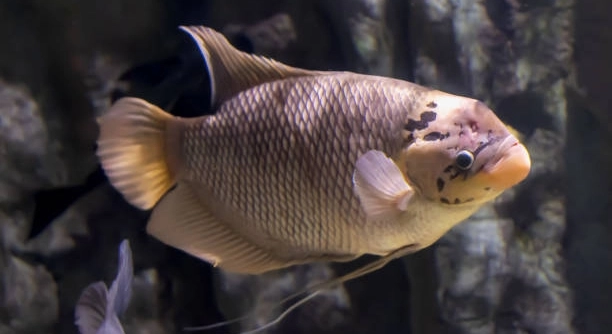
Gourami fish are known for their peaceful nature and vibrant colors, but when they start acting lethargic, it can be concerning for any aquarium owner. Understanding the causes behind this behavior is crucial for ensuring their well-being.
Lethargy in gourami fish can be caused by several factors, including poor water quality, stress, illness, or an inadequate diet. Ensuring your gourami’s environment is stable and free from pollutants is essential for maintaining their energy levels and overall health.
There are simple steps you can take to address these issues and get your gourami back to its active self. Proper tank maintenance and observing their behavior closely can help you pinpoint the root cause.
Common Causes of Lethargy in Gourami Fish
When your gourami starts acting lethargic, the first thing to consider is the water quality. Poor water conditions are one of the leading causes of lethargy in fish. Gouramis, like all fish, need clean water to thrive. If the water is too dirty or has high levels of ammonia, nitrites, or nitrates, your fish may become stressed and inactive. Check the water regularly with a reliable test kit to ensure the levels are within the proper range.
Sometimes, the water temperature can also play a role in a gourami’s lethargy. Gouramis are tropical fish that prefer warmer water, typically between 75°F and 82°F (24°C – 28°C). If the water is too cold, it can slow down their metabolism and make them appear sluggish. Conversely, if the water is too hot, it can lead to stress and respiratory issues, causing the fish to act lethargic.
Make sure the water temperature stays stable and within the ideal range. You can use a thermometer to monitor the temperature and adjust the heater as needed to maintain a comfortable environment for your gourami.
Stress and Its Impact on Gourami Health
Stress is another common factor that can lead to lethargy in gouramis. Fish are sensitive to changes in their environment, such as sudden changes in water parameters, overcrowded tanks, or aggressive tank mates. Stress weakens their immune system, making them more susceptible to diseases.
To minimize stress, keep the tank environment calm and stable. Ensure your gourami has enough space to swim and that no aggressive fish are present. Also, avoid sudden changes in the water temperature or lighting. Providing hiding spots like plants or decorations can give your gourami a sense of security, reducing stress levels.
If your fish seems stressed, it may be helpful to rearrange the tank layout or temporarily isolate any aggressive tank mates. Reducing stress can help your gourami feel more comfortable and potentially restore its energy levels.
Signs of Illness in Gourami Fish
Illness can also cause lethargy in gourami fish. If your gourami is not responding to changes in water conditions or seems to be losing its appetite, it may be sick. Common illnesses in gouramis include fungal infections, parasites, or bacterial diseases. These conditions often show signs such as discolored patches, bloated bellies, or abnormal swimming behavior.
When a fish is sick, it usually becomes less active and might avoid interacting with other fish. To identify potential diseases, carefully observe your gourami for any changes in appearance or behavior. It’s also important to check the water quality and ensure there is no harmful buildup of toxins.
If you notice any signs of illness, consult a veterinarian or aquarium specialist for proper treatment. Administering the correct medication promptly can help your gourami recover and regain its usual energy.
How to Improve Your Gourami’s Diet
Sometimes, a lack of proper nutrition can contribute to lethargy in gouramis. These fish need a balanced diet to stay active and healthy. A poor diet can lead to malnutrition, making your gourami feel sluggish. Offering a variety of foods, such as high-quality pellets, frozen or live foods, and vegetables, is essential for keeping your fish energized.
Overfeeding or underfeeding can also have negative effects on your gourami. Overfeeding can lead to obesity and water quality problems, while underfeeding can cause malnutrition. Aim to feed your gourami the right amount of food once or twice a day, removing any uneaten food to keep the tank clean.
By offering a varied and balanced diet, your gourami will be more likely to stay active and healthy. Regular feeding and maintaining a clean tank environment are key to ensuring your fish remains energetic and happy.
Poor Tank Conditions and Water Quality
Poor water quality is one of the most common reasons for lethargy in gourami fish. High ammonia levels, nitrites, or nitrates can make your fish feel sick and stressed. Regular water changes and proper filtration are essential to keeping the water clean.
To maintain water quality, test the water frequently using a reliable aquarium test kit. Adjust the water changes depending on the tank’s size and fish population. Keeping the tank clean helps prevent harmful toxins from building up, improving your gourami’s health and activity. Be mindful of overfeeding, which can also lead to poor water conditions.
An efficient filtration system will help keep the water fresh, ensuring the gourami has a stable environment. Also, ensure proper oxygen levels and avoid overcrowding in the tank to minimize the risk of water pollution.
Inadequate Tank Temperature
Temperature fluctuations or water that is too cold can contribute to lethargy in gourami fish. These fish are tropical, preferring water temperatures between 75°F and 82°F (24°C – 28°C). If the water is too cold, their metabolism slows down, causing them to act sluggish.
Using a reliable heater and thermometer helps maintain the water temperature within the ideal range. Avoid sudden temperature changes, as this can stress your gourami and lead to health problems. If your aquarium room temperature fluctuates significantly, a thermostat-controlled heater will provide consistency for your fish’s well-being.
You should also monitor the temperature during the night or cold weather months, as the aquarium may cool down unexpectedly. Consistency is key to keeping your gourami comfortable and active.
Overcrowding in the Tank
Overcrowding is another major factor that can cause stress and lethargy in gouramis. When there are too many fish in a tank, it creates competition for space, food, and oxygen. This leads to increased stress levels, which can make your gourami more inactive.
Make sure your aquarium is appropriately sized for the number of fish you have. A good rule of thumb is one inch of fish per gallon of water, but this can vary depending on the species and tank setup. Overcrowding can also affect the water quality, so avoid adding too many fish at once.
To keep your gourami healthy and active, provide enough space for each fish to swim comfortably. If necessary, consider upgrading to a larger tank to ensure that all the fish in your tank thrive.
The Role of Tank Mates
Gouramis are generally peaceful, but they can become stressed or lethargic if kept with aggressive tank mates. Other fish that are overly territorial or dominant may bully your gourami, making it feel unsafe and inactive.
If you notice that your gourami is hiding more than usual or not interacting with other fish, it might be reacting to tank mate aggression. Ensure the tank mates are compatible with your gourami, particularly when setting up a community tank.
Provide hiding spots and plants in the tank to give your gourami a place to retreat if it feels threatened. This helps reduce stress and allows it to rest comfortably when needed, keeping it more active overall.
Water Parameters to Monitor
Water parameters like pH, hardness, and oxygen levels are crucial for your gourami’s health. If these levels are out of balance, your fish might feel stressed, leading to lethargy. Test the water regularly to ensure all parameters are within the recommended range for gouramis.
A pH range of 6.5 to 7.5 is ideal for gouramis, and the water should be soft to moderately hard. Low oxygen levels, often caused by poor water circulation, can also lead to sluggishness. Regularly check the oxygen levels in the water, especially if you notice your gourami hovering near the surface.
Maintaining stable and balanced water parameters is key to preventing stress and keeping your fish active. When all these factors are in line, your gourami will feel more comfortable and energetic in its environment.
Diet Imbalance
Gouramis need a balanced diet to stay healthy and active. A lack of proper nutrition can cause your fish to become weak and lethargic. Offering a mix of high-quality pellets, live or frozen foods, and occasional vegetables ensures they get all the nutrients they need.
Overfeeding or underfeeding can also lead to health problems, so portion control is important. A good feeding schedule ensures your fish receives enough nutrition without the risk of overfeeding, which can pollute the water. Always remove any uneaten food to maintain a clean tank and prevent water quality issues.
Feeding a varied diet can prevent nutritional deficiencies, keeping your gourami happy and active.
Possible Disease Symptoms
Illnesses like parasites, bacterial infections, or fungal growth can cause lethargy in gouramis. These conditions can lead to changes in behavior, such as loss of appetite, abnormal swimming, or visible signs like skin lesions or bloating. If your fish appears lethargic, closely observe for these symptoms.
A visit to an aquarium vet may be necessary to diagnose the illness and recommend treatment. Early intervention can improve your gourami’s chances of recovery. It’s essential to quarantine sick fish to prevent the spread of diseases to other tank mates, which can further stress your gourami.
FAQ
Why is my gourami just sitting at the bottom of the tank?
Gouramis that sit at the bottom of the tank may be dealing with poor water quality, low oxygen levels, or stress. It’s important to check your water parameters, including ammonia, nitrite, and nitrate levels, to ensure they’re within the proper range. Additionally, low oxygen can cause gouramis to seek out the lower levels of the tank. Improving water circulation or adding an air stone may help. If the issue persists, the fish might be stressed due to incompatible tank mates or a sudden change in the environment. Consider giving your gourami a quiet space or hiding spots to feel secure.
What can I do if my gourami isn’t eating?
If your gourami isn’t eating, there could be several reasons, including water quality issues, illness, or stress. First, ensure the water is clean and all parameters are in check. Sometimes, stressed fish lose their appetite, so consider whether tank mates are causing any aggression or anxiety. If the fish shows signs of illness, such as spots, swelling, or abnormal behavior, it may require medication. If the environment is fine, try offering different foods to entice your fish, including live or frozen options. However, if the lack of eating continues, consult a vet to rule out health issues.
How can I tell if my gourami is sick?
Sick gouramis may show signs such as lethargy, loss of appetite, abnormal swimming behavior, or changes in appearance like faded colors, sores, or swelling. They might also rub against objects, indicating irritation or parasites. Keep an eye on their gills for any signs of labored breathing or discoloration. Early detection is crucial for effective treatment. If you notice any of these symptoms, consider isolating the fish in a quarantine tank and administering appropriate medication based on the disease suspected.
Can temperature changes cause my gourami to act lethargic?
Yes, sudden temperature fluctuations can cause your gourami to become lethargic. Gouramis are tropical fish that thrive in stable temperatures between 75°F and 82°F (24°C – 28°C). When the water temperature drops too low or increases too much, it can slow down their metabolism, making them inactive. Ensure the water heater in your tank is functioning correctly and use a thermometer to monitor temperature stability. If there are frequent temperature changes in the room, consider placing the tank in a more temperature-stable area to avoid causing your gourami distress.
Why does my gourami keep hiding?
If your gourami is constantly hiding, it may be stressed or feeling unsafe. Check for any aggressive tank mates that could be bullying your fish. Gouramis are peaceful but can become stressed in crowded or aggressive environments. Additionally, stress from water quality issues or sudden changes in their environment can make them retreat. Providing more hiding spots in the form of plants, decorations, or caves can help your gourami feel more secure. If the hiding continues despite these measures, closely observe the fish for signs of illness.
What should I do if my gourami has white spots?
White spots on your gourami may indicate an infection called “Ich” or “white spot disease,” which is caused by a parasite. This condition causes tiny, white cysts to appear on the fish’s skin and gills. If you notice these spots, isolate the affected fish and treat the tank with a medication designed to combat parasites. Increasing the water temperature slightly (but not too rapidly) can help speed up the life cycle of the parasite, allowing the medication to work more effectively. Follow treatment instructions carefully to ensure full recovery.
Is it normal for my gourami to stop swimming sometimes?
Occasional stillness is normal for gouramis, as they tend to rest at times. However, if your gourami is consistently not swimming or remaining lethargic, it may be a sign of stress, poor water quality, or illness. Check the water quality to ensure there are no toxins like ammonia or nitrites present. If the water is fine, then consider other stressors, such as overcrowding, tank mate aggression, or changes in tank conditions. If the lethargy persists, observe the fish for any signs of illness or seek professional advice.
How often should I change the water in my gourami tank?
Water changes are essential to maintaining a healthy tank environment. For a standard tank, change 10-20% of the water every week or biweekly, depending on the size of your tank and the number of fish. If you notice poor water quality or high levels of toxins, increase the frequency of water changes. Regular water changes help prevent the buildup of harmful substances like ammonia and nitrate, which can stress your gourami and lead to health issues. Always make sure the new water matches the tank’s temperature and parameters to avoid causing shock.
How do I improve the water quality for my gourami?
Improving water quality for your gourami involves regular water changes, proper filtration, and monitoring water parameters. Use a reliable aquarium filter to remove waste and excess nutrients from the water. Invest in a test kit to check for ammonia, nitrites, and nitrates. Perform water changes regularly to keep these toxins at safe levels. Additionally, consider adding live plants to help absorb excess nutrients and improve oxygen levels in the tank. Keep the tank clean by removing uneaten food promptly, and avoid overfeeding, which can lead to water pollution.
Final Thoughts
If your gourami is acting lethargic, there are several factors to consider, ranging from poor water quality to stress or illness. The first step is to check the water quality, as an imbalanced tank can cause a variety of problems. Make sure to test for ammonia, nitrites, and nitrates, ensuring that these levels are within the recommended range. A stable environment with clean water and proper filtration is essential for keeping your gourami healthy and active. Regular water changes will help maintain the right conditions, and using a filter that suits your tank size can help remove toxins effectively.
Beyond water quality, pay attention to your fish’s diet, temperature, and overall tank environment. Gouramis are tropical fish that require a warm and consistent temperature range, usually between 75°F and 82°F (24°C – 28°C). Any fluctuation outside this range can lead to stress or sluggishness. In addition, the right diet is crucial for your fish’s well-being. A varied diet that includes pellets, live or frozen foods, and vegetables will help keep your gourami healthy and active. Overfeeding or underfeeding can cause health problems, so it’s important to find the right balance and avoid polluting the tank with uneaten food.
Lastly, observe your gourami’s behavior for signs of stress or illness. If your fish is hiding more than usual, not eating, or showing signs of disease, it may need some extra care. Ensure that the tank is not overcrowded and that tank mates are compatible. Adding hiding spots and creating a peaceful environment will help reduce stress levels. If your gourami continues to show signs of lethargy despite addressing these factors, it may be necessary to consult an aquarium professional or a vet for further guidance. By carefully monitoring your tank and making adjustments as needed, you can help your gourami regain its energy and thrive in a healthy, balanced environment.

Hello,
If you enjoy the content that we create, please consider saying a "Thank You!" by leaving a tip.
Every little bit helps us continue crafting quality advice that supports the health, happiness, and well-being of pets around the world, for pets of all shapes, sizes, and species.
We really appreciate the kindness and support that you show us!