
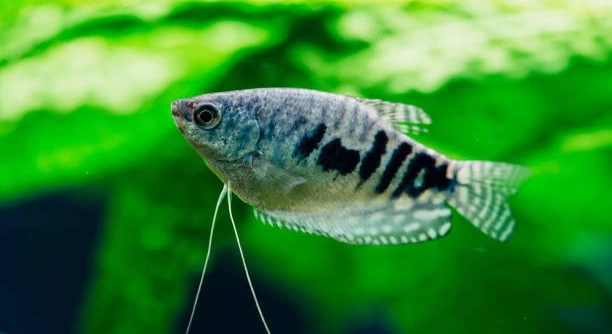
Are your gouramis constantly chasing and nipping at each other, turning your peaceful tank into a battleground instead of a calm retreat?
The most effective way to stop gouramis from fighting is to reduce territorial stress. Providing enough space, hiding spots, and visual barriers helps minimize aggression and supports a more peaceful tank environment.
Understanding their behavior and making a few adjustments can improve their quality of life and help maintain a calm, healthy aquarium.
Give Them Enough Space
Gouramis need enough room to move around without feeling crowded. A small tank often causes them to become territorial and aggressive. It’s best to keep them in a tank that holds at least 30 gallons of water. This allows them to establish their own space and stay away from others when needed. Overcrowding can make even peaceful species act out, especially in confined areas with limited escape routes. Make sure the tank is wide and long rather than tall, giving them more horizontal space to swim. When you give them room, they are less likely to fight over territory.
A large tank helps reduce stress, which is one of the biggest causes of aggression in gouramis. They prefer to stay away from fish they don’t like, and extra space makes that easier.
If you’re setting up a tank or upgrading an old one, think about the number and size of your gouramis. Males especially need personal space. Adding too many in a small tank can lead to fights, especially during feeding times or when claiming corners of the tank. Keep decorations simple and use plants to divide the space naturally. This helps each fish feel like it has a spot of its own.
Create Hiding Places
Decorations and plants are more than just for looks. Gouramis use them to hide, calm down, and stay out of each other’s way.
Using items like driftwood, tall plants, and rocks creates barriers that block direct lines of sight. This helps lower tension between fish, especially males. When they can’t see each other all the time, they’re less likely to become aggressive. Floating plants are also useful because they provide cover near the top of the tank where gouramis often swim. Make sure you don’t overfill the tank with decorations, though. Leave enough open space for swimming. Balance is key. Rearranging decorations from time to time can help disrupt territories and reduce ongoing disputes. If you notice one fish guarding a certain area too often, consider adjusting the layout. That can help reset the tank’s dynamic and give less dominant gouramis a chance to relax.
Keep Only One Male Gourami
Male gouramis are more likely to fight, especially if they are kept in the same tank. Limiting the tank to just one male helps reduce this tension and keeps things calmer for everyone.
Male gouramis often see each other as threats. When two or more are placed in the same space, they may start to fight over dominance, territory, or food. Even if the tank is large, this behavior can still happen. A single male in the tank can help keep the peace, especially when paired with a few females or other calm fish. You’ll notice a more relaxed atmosphere, with less chasing and stress-related hiding. Make sure the one male isn’t overly aggressive on his own, though—some individuals have strong personalities and may still bother other fish. Watch your fish’s behavior closely and be ready to adjust as needed.
If you want to keep more than one male, be sure to choose a tank that is large enough, with plenty of hiding spots and barriers. You should also select males that are known to be less aggressive, as temperament can vary. Even then, there is still a chance of conflict. If fighting continues, be prepared to rehome or separate the more aggressive male to avoid stress and injury to the others.
Choose Calm Tank Mates
Some fish types will trigger gourami aggression just by being too active or flashy. Picking calm, non-territorial species helps prevent this. Avoid fin-nippers and fast swimmers, as they often stress gouramis out.
Gouramis prefer tank mates that won’t compete with them or invade their space. Ideal companions include peaceful bottom dwellers like Corydoras catfish or small schooling fish like harlequin rasboras. These fish tend to stay out of the way and do not display threatening behavior. Avoid species like barbs or aggressive tetras that may nip fins or chase. Also, don’t pair gouramis with other semi-aggressive species that might try to dominate them. This can lead to continuous stress and fighting. When choosing tank mates, look for calm behavior and a non-intrusive swimming style. Monitor new additions closely for the first few days to make sure everyone is getting along. If there’s tension, it’s best to make changes quickly.
Rearrange Tank Layout Regularly
Changing the layout of your tank can help reduce aggression by breaking up established territories. When gouramis can’t claim a specific spot for long, they’re less likely to fight over it or guard it from others.
Move plants, decorations, and hiding spots every couple of weeks. This resets the environment and discourages dominant behavior.
Watch for Stress Signs
Gouramis under stress may hide more, stop eating, or show faded colors. These signs often appear before aggression begins. Keep an eye on their daily habits and look for changes. Act quickly if you see unusual behavior—early action can prevent things from getting worse.
Maintain Stable Water Conditions
Clean water and steady conditions help gouramis stay calm. Fluctuations in pH, temperature, or ammonia levels can cause irritation and lead to fighting. Test the water often and do regular partial water changes. A quiet, healthy environment keeps stress low and behavior balanced.
FAQ
Why are my gouramis fighting?
Gouramis fight for several reasons, but most commonly it’s due to territorial behavior or stress. Male gouramis, especially, can become aggressive toward each other. In smaller tanks, they may feel the need to defend their space, leading to fights. A lack of hiding spots, too many males, or aggressive tank mates can also trigger conflicts. Understanding what stresses them out can help you find solutions to reduce fighting.
Can female gouramis fight too?
While male gouramis are typically the most aggressive, females can also fight, especially when they feel crowded or stressed. Female gouramis tend to be less territorial than males, but they can still become aggressive if they are competing for resources like food or hiding spots. Providing enough space and hiding spots helps reduce this issue. However, it’s more common for females to engage in mild chasing rather than full-on aggression.
How do I stop male gouramis from fighting?
To stop male gouramis from fighting, consider reducing the number of males in the tank. Keeping only one male per tank is often the best solution. If you want more than one male, ensure the tank is large enough with plenty of hiding spots and barriers. Rearranging the tank layout regularly also helps disrupt established territories and prevent fights. Additionally, keeping calm tank mates and avoiding overly dominant species will help reduce aggression.
Are gouramis aggressive by nature?
Gouramis are generally peaceful fish, but males can become territorial and aggressive, particularly in confined spaces. They’re less likely to show aggression in a well-planted, spacious tank with appropriate tank mates. Proper tank management, such as avoiding overcrowding and providing hiding spots, can help prevent aggression.
Can tank size affect gourami behavior?
Yes, tank size plays a big role in gourami behavior. If the tank is too small, the fish can feel crowded and stressed, leading to territorial disputes and aggression. A larger tank gives them more room to establish their own space and move away from other fish. A 30-gallon tank is a good minimum size for a group of gouramis, though a bigger tank is better to avoid conflicts.
What are the signs of stress in gouramis?
Signs of stress in gouramis include hiding, lethargy, loss of appetite, faded color, and excessive scratching against objects. If your gouramis are fighting, stress levels tend to rise, which can affect their overall health. If you notice any of these signs, it’s important to address the underlying cause, such as poor water quality or aggression from other fish.
Can I keep other fish with my gouramis?
Yes, you can keep other fish with gouramis, but it’s important to choose peaceful species. Avoid fin-nippers or fast-moving fish that could stress out the gouramis. Small schooling fish like rasboras or peaceful bottom dwellers like Corydoras catfish make good companions. Avoid pairing gouramis with aggressive species like barbs or large predatory fish that might provoke them.
How often should I change the water for my gouramis?
Regular water changes are essential for keeping gouramis healthy and stress-free. Aim to change 20-25% of the water every week or every other week. This helps maintain water quality, reduce toxins like ammonia and nitrates, and prevent any build-up that could contribute to stress or health problems. Always use dechlorinated water and test the water parameters to ensure they are within the ideal range for gouramis.
Why do my gouramis chase each other?
Chasing is a common behavior in gouramis, especially when they are establishing dominance or competing for territory. Males often chase each other during mating season, but they may also do so in stressful or overcrowded environments. Providing hiding spots, reducing the number of males, and keeping a calm, well-balanced environment can help reduce chasing behavior.
Do gouramis need a lot of plants in their tank?
Plants are beneficial for gouramis, as they provide hiding spots and a more natural environment. Gouramis like to swim around plants and may use them to escape from other fish when feeling stressed. Live plants also help maintain water quality by absorbing excess nutrients and providing oxygen. However, it’s important not to overcrowd the tank with plants, as gouramis still need plenty of open swimming space.
How can I prevent my gouramis from becoming territorial?
To prevent territorial behavior, make sure your gouramis have enough space and hiding spots. A tank that’s too small or lacks adequate decorations can lead to competition for space, increasing territorial disputes. Adding plants, rocks, and other structures allows gouramis to claim separate areas and reduces the chances of aggression. Additionally, keeping a single male per tank or pairing males with multiple females can help reduce territorial behavior.
Can gouramis be kept in a community tank?
Yes, gouramis can thrive in a community tank, but it’s crucial to choose compatible species. Avoid adding aggressive or overly active fish that might stress them out. Peaceful fish like tetras, rasboras, and small catfish are ideal companions. Make sure the tank is large enough, with plenty of hiding spots and plants, to keep everyone happy and prevent any potential conflicts.
How can I help gouramis relax?
To help gouramis relax, create a calm, stable environment with clean water and good filtration. Providing hiding spots, plenty of plants, and a balanced diet will also help reduce stress. Avoid sudden changes in water temperature or pH levels, as these can cause distress. Additionally, reduce overcrowding and ensure your gouramis have enough space to move freely without feeling threatened. A peaceful, well-maintained tank is key to a relaxed gourami.
Final Thoughts
Keeping gouramis peaceful in a tank requires understanding their needs and behavior. Gouramis are generally peaceful fish, but they can become aggressive if they feel threatened, overcrowded, or stressed. By creating a tank with enough space, hiding spots, and appropriate tank mates, you can help reduce aggression and encourage a calm environment. Giving your gouramis enough room to establish their own territories and ensuring their water conditions are stable are crucial for their well-being. These simple steps will make a big difference in preventing fights and ensuring that your fish remain happy and healthy.
Another important aspect to consider is the choice of tank mates. Gouramis do best with other peaceful fish that won’t compete aggressively for space or resources. Fast-moving or territorial species can stress out your gouramis and lead to fighting. On the other hand, species that prefer the same calm environment, such as tetras or rasboras, can coexist peacefully with gouramis. Carefully selecting the right tank mates and avoiding species that might provoke aggression is key to keeping a balanced and harmonious aquarium.
Finally, regular maintenance of the tank and careful monitoring of your fish’s behavior are essential to keeping your gouramis stress-free. Keep an eye on their health, watch for signs of aggression, and make adjustments as needed. Water quality plays a huge role in their behavior, so make sure the tank stays clean and the temperature and pH remain stable. With the right care, your gouramis can thrive in a peaceful tank, where they’ll be free to swim and interact without the stress of fighting.

Hello,
If you enjoy the content that we create, please consider saying a "Thank You!" by leaving a tip.
Every little bit helps us continue crafting quality advice that supports the health, happiness, and well-being of pets around the world, for pets of all shapes, sizes, and species.
We really appreciate the kindness and support that you show us!