
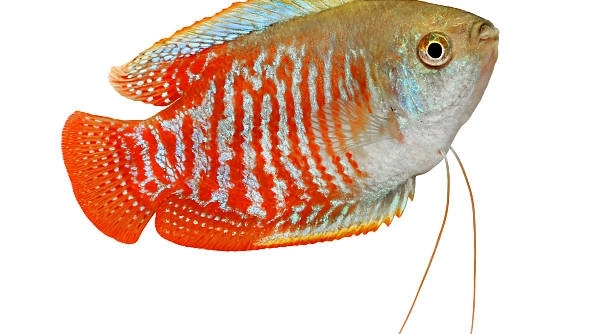
Have you ever looked at your gouramis and wondered whether you’ve got males, females, or a mix of both swimming around? Learning how to tell them apart can be easy with the right tips.
The most reliable way to sex gouramis is by observing their body shape, fin structure, and coloration. Males often have longer dorsal fins and brighter colors, while females tend to have rounder bodies and shorter, duller fins.
These visual signs can help prevent breeding mistakes and tank aggression. Keep reading to understand each characteristic clearly and recognize the differences with confidence.
Look at the Dorsal Fin
The dorsal fin is one of the clearest ways to identify the sex of a gourami. In most species, males have longer and more pointed dorsal fins. These fins often appear sharper and stretch farther back on the body. Females usually have shorter, rounder dorsal fins with a softer look. This difference becomes especially noticeable once the gourami matures. While some juvenile gouramis can look similar at first, this trait becomes more obvious over time. Observing the dorsal fin shape closely can give you a good indication of what to expect, especially when preparing a tank for breeding or managing aggression. A flashlight or a well-lit tank can help you see the shape more clearly. Focus on the curve of the fin rather than just the size. Paired with other physical traits, dorsal fin inspection is a helpful starting point for sexing your gouramis accurately.
Look from the side of the tank to get the best view of the dorsal fin.
While it may seem like a small difference, the dorsal fin shape plays a big role in helping you determine sex quickly. Relying on this feature, along with a few others, makes the process much easier and more accurate overall.
Check for Color Differences
Male gouramis often have brighter, more vibrant colors than females. This trait is especially noticeable in species like dwarf gouramis.
Color intensity varies by species, but in general, males will show off stronger blues, reds, or greens when healthy and mature. These colors help them attract mates and compete with other males in the tank. Female gouramis tend to be more muted in comparison, with softer hues that help them blend into their surroundings. It’s important to note that diet, lighting, and health can also affect color. However, when comparing two healthy gouramis of the same species, color differences can usually give you a helpful clue. Look at the body and fin coloration under natural or aquarium lighting. Be cautious not to rely on color alone if the fish is stressed, as it may lose its vibrancy. This method works best when paired with other indicators like fin shape and body size.
Observe the Body Shape
Female gouramis tend to have rounder, fuller bodies, especially when viewed from above. Males usually appear slimmer and more streamlined. This shape difference becomes more noticeable as the fish grow and mature.
Looking down into the tank offers a clear view of the body shape. Females often appear slightly plumper, particularly near the belly. This is due to the presence of developing eggs or natural body structure. Males, by contrast, have a leaner frame that tapers gently toward the tail. These differences can be subtle, so it helps to compare several gouramis at once. Try to observe them when they are calm and swimming normally. Stress can make them flatten their fins or change posture, which makes it harder to see natural shape differences. Body shape is especially useful for sexing when paired with fin or color observations.
Use this method when setting up a breeding tank or choosing tank mates. A group of round-bodied fish is likely female, which helps reduce aggression. Males may chase females during breeding, so knowing the sex ratio is important for tank balance. If you’re unsure, check during feeding times when they rise to the surface—this angle often gives the clearest look at shape differences.
Look at the Vent Area
The vent area, located near the anal fin, also shows small sex differences. Males usually have a narrower, pointed vent, while females have a rounder, more swollen one, especially when ready to spawn.
During spawning season, the female’s vent becomes more pronounced. This swelling helps with the release of eggs. It’s easiest to see this feature when the gourami is swimming near the tank wall or resting near the bottom. This method works best in a well-lit environment, and you may need to observe several times to be sure. Gently coax the fish toward the front of the tank with food to get a better look. Be patient—this method isn’t instant. Over time, you’ll get better at spotting this detail. While subtle, it’s a reliable indicator when combined with body shape and fin features. Don’t rely on the vent area alone, but it helps confirm other observations.
Watch for Behavioral Differences
Males often act more territorial, especially around breeding time. They may chase others, flare their fins, or guard certain areas. Females are usually more peaceful and spend time swimming calmly without displaying territorial behavior.
Bubble nest building is another strong sign. Males build these nests at the water’s surface using bubbles and saliva, often near floating plants. Females do not build nests. If you see a gourami spending time blowing bubbles in one area and guarding it, you’re likely looking at a male.
Monitor During Feeding Time
Feeding time can help highlight body shape, behavior, and fin display. Males often eat more aggressively and may push others away. Females stay more relaxed and don’t compete as much for food. Watch from above to see shape and fin angles more clearly while they rise to eat.
Compare with Known-Sex Fish
If you already have a confirmed male or female, compare the unknown gourami with it. Differences in fin length, color, and body shape become easier to spot this way.
FAQ
How can I tell if my gourami is male or female without close observation?
The most straightforward way to tell the sex of a gourami is by watching its behavior. Males tend to be more active and territorial, especially during breeding seasons. They may chase other fish, build bubble nests, or flare their fins. Females are generally calmer, spending more time swimming around without engaging in territorial displays. However, this method isn’t foolproof, and relying on body shape and fin differences can provide clearer results.
Do gourami species show different sexing traits?
Yes, some species of gourami show more pronounced differences than others. For instance, dwarf gouramis have brighter colors and longer fins in males, whereas other species might show subtle differences. In general, males often display more vivid colors, longer fins, and a leaner body shape, while females appear rounder and duller. Observing these traits in conjunction with behavior can help identify sex more accurately.
Do male and female gouramis have the same lifespan?
Yes, both male and female gouramis generally have the same lifespan. However, males might experience more stress and physical wear due to territorial behaviors or the energy spent during mating rituals. This could potentially affect their longevity, but it’s typically minimal. Proper care, such as maintaining good water quality and diet, can help increase the lifespan of both sexes.
Can female gouramis become aggressive?
While females are generally less aggressive than males, they can show territorial behavior, especially when they are carrying eggs or in stressful environments. Female gouramis might also engage in skirmishes with other females during the breeding season. However, this behavior is less common compared to males. Providing plenty of space and hiding places in the tank can help minimize aggression from either sex.
How do I separate male and female gouramis to prevent breeding?
If you do not want your gouramis to breed, it’s best to separate males and females. A simple way to do this is by keeping a single sex group in each tank. If you have both males and females in the same tank, they may mate, especially if they are in good conditions. For breeding control, either isolate the males or the females in different tanks or remove any potential mates temporarily. This will prevent breeding and any potential aggression.
Do gouramis change sex?
Some species of gouramis, like the Betta fish, do not change sex, but there are reports of certain species in which sex change has been observed under specific conditions. For example, if the ratio of males to females in a tank is highly skewed, some fish may adapt by becoming male or female to balance the breeding potential. However, this phenomenon is rare, and most gouramis will remain the sex they are born as.
Can I identify the sex of baby gouramis?
It is very difficult to tell the sex of baby gouramis until they reach a certain age. At a young age, both males and females appear similar, with only small differences in body size and fin shape. As they grow older, it becomes easier to tell the difference. Generally, by the time they are around 3 to 6 months old, you can start noticing the differences in fin length, body shape, and color.
What should I do if I have too many males in my tank?
Too many males in a tank can lead to aggression and territorial disputes, especially if there are not enough females to balance the dynamic. If you find that your tank is overrun with males, consider rehoming a few, or separating them to reduce aggression. You can also introduce more females to the tank to help balance the sex ratio, but ensure that you’re not overcrowding the tank, as that can cause stress to all fish.
Can I keep male and female gouramis in the same tank without breeding?
Yes, you can keep male and female gouramis in the same tank without breeding if you provide enough space and hiding spots. However, during breeding season, males may become more aggressive in an attempt to court females. To prevent breeding, try to manage the environment by reducing breeding triggers, such as the presence of plants or good water conditions. Alternatively, removing males when not breeding is an option.
Final Thoughts
Sexing your gouramis can be a bit tricky, especially when they are young or not displaying their typical behaviors. However, by carefully observing the body shape, vent area, and behavior, you can distinguish between males and females with relative ease. The key is patience and knowing what to look for. As your gouramis grow, the differences in size, shape, and behavior become more noticeable, making it easier to identify their sex.
Understanding the differences between male and female gouramis is not only helpful for breeding purposes but also for creating a more balanced and peaceful tank environment. Male gouramis, being more territorial, can sometimes cause stress to other fish if they feel crowded. Female gouramis, on the other hand, are generally calmer but can still display some aggression, especially during mating seasons. Ensuring a proper sex ratio will help minimize these issues and create a more harmonious tank.
Ultimately, while the process of sexing gouramis may take some time to master, it’s an essential skill for anyone interested in breeding or simply maintaining a peaceful aquarium. By using the methods outlined, you’ll be able to easily tell the males from the females and create a better environment for your fish. Whether you’re a beginner or more experienced in fishkeeping, these tips will help you care for your gouramis more effectively, ensuring both their health and happiness.

Hello,
If you enjoy the content that we create, please consider saying a "Thank You!" by leaving a tip.
Every little bit helps us continue crafting quality advice that supports the health, happiness, and well-being of pets around the world, for pets of all shapes, sizes, and species.
We really appreciate the kindness and support that you show us!