
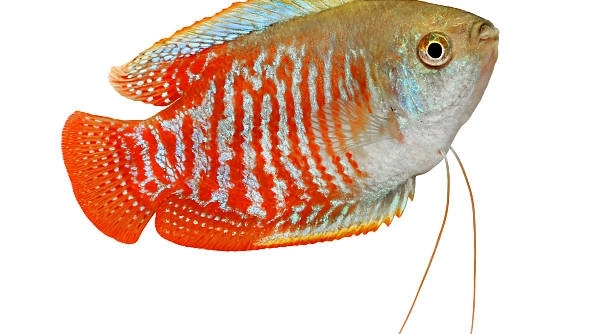
Are your gouramis showing signs of stress, odd behavior, or fading color that doesn’t seem to improve with regular care? These small changes can sometimes point to bigger problems affecting their health and comfort in the tank.
Gourami health can be negatively affected by poor water quality, aggressive tank mates, incorrect diet, temperature fluctuations, overcrowding, lack of enrichment, and untreated illnesses. Each of these factors can lead to long-term stress and weakened immune function.
Understanding what puts stress on your gourami helps you prevent future problems and keep their environment safe, stable, and healthy.
Poor Water Quality
Dirty or unbalanced water conditions are one of the fastest ways to harm a gourami’s health. These fish need clean, stable water with the right pH and ammonia levels. When the water becomes polluted—either from uneaten food, waste buildup, or lack of regular cleaning—it starts to affect the gourami’s breathing, skin, and overall well-being. You may notice your gourami becoming sluggish, losing color, or staying near the surface for air. Testing your tank water regularly is essential. Keep ammonia and nitrites at zero and nitrates under 40 ppm. Aim for a pH between 6.8 and 7.8 and a temperature around 75–80°F. Always dechlorinate tap water before adding it to the tank, and do partial water changes weekly. If the filter isn’t strong enough or gets clogged, it can’t remove harmful waste properly. Clean it on schedule and make sure it’s not disrupting the water flow too much.
Clean water supports breathing, digestion, and immune strength in gouramis. Neglecting it creates daily stress that builds over time.
Monitoring water quality isn’t just about numbers—it’s about noticing your gourami’s behavior, keeping a steady cleaning routine, and acting fast when something seems off. Consistent care helps prevent illness and keeps their colors bright and their movements calm.
Aggressive Tank Mates
Gouramis don’t do well with aggressive or fast-swimming tank mates. When they’re constantly being chased, nipped, or blocked from food, it wears them down quickly.
It’s important to remember that gouramis are peaceful by nature and enjoy a calm space. Fish like tiger barbs, large cichlids, or fin-nippers can create constant tension in the tank. Even if there are no visible injuries, the stress from being bullied can lead to lowered immunity, hidden infections, and changes in eating habits. Watch for signs like torn fins, hiding, skipping meals, or swimming erratically. If you’re seeing those behaviors, consider rearranging the tank layout to give them more cover or rehoming the aggressive fish. A well-planted tank with hiding spots helps them feel safer, especially when dealing with dominant fish. In general, choose tank mates that match the gourami’s pace—calm, semi-aggressive species like peaceful tetras, rasboras, or bottom-dwellers. Keeping your gourami’s home stress-free can make a big difference in their long-term health.
Incorrect Diet
Feeding your gourami the wrong type or amount of food can slowly weaken their health. Overfeeding, poor-quality flakes, and a lack of variety can cause digestive issues and reduce their resistance to disease.
Gouramis need a balanced diet that includes high-quality flakes or pellets, along with occasional treats like bloodworms, brine shrimp, and blanched vegetables. If they only eat processed food every day, they may miss out on important nutrients that support their immune system and energy levels. Overfeeding is also common and leads to bloating, constipation, and cloudy water. Watch how much they eat in under two minutes, and remove uneaten food to keep the tank clean. Try rotating food types throughout the week. A varied diet helps them stay active, supports vibrant colors, and makes them more resilient to changes in their environment.
Poor diet can also affect their behavior. You may notice more hiding, slower swimming, or reduced interest in food. These small signs often point to something being off in their routine. Feeding them the same bland flakes every day gets boring, and they may eventually refuse to eat. Adding natural, protein-rich snacks once or twice a week can make a big difference. Keep portions small, and observe how they react to each meal.
Temperature Fluctuations
Sudden temperature changes can throw off your gourami’s immune system. These fish prefer steady, warm conditions, and when temperatures drop too low or rise too quickly, it causes stress.
Gouramis thrive in water temperatures between 75°F and 80°F. If the tank drops below or rises above that range, they may start swimming less, eating less, or breathing at the surface more often. Even a few degrees of difference can impact how well they process food or fight off infections. If you live in a climate with cold nights, always use a reliable heater and check that it’s working properly. A tank thermometer helps you monitor daily changes. Avoid placing the tank near windows, heaters, or air vents that can cause sudden shifts. A stable temperature makes it easier for your gourami to maintain energy and stay comfortable. Over time, consistency in their environment builds stronger health and fewer problems.
Overcrowding
Too many fish in one tank makes it harder for gouramis to find space, breathe properly, and feel safe. This stress can lead to aggression, illness, and weakened immune systems, especially if hiding spots are limited or food becomes competitive.
When tanks are overcrowded, waste builds up faster, oxygen levels drop, and territorial conflicts increase. Even peaceful fish can become agitated under cramped conditions, which adds stress to your gourami’s daily life.
Lack of Enrichment
Gouramis are intelligent and curious fish. When their environment lacks variety, they may become bored, inactive, or start pacing. A dull tank without plants, decorations, or hiding spots limits natural behavior. Add driftwood, caves, and floating plants to give them places to explore and rest. A stimulating tank setup supports mental and physical health.
Untreated Illnesses
Ignoring early signs of illness—like faded color, clamped fins, or lack of appetite—can lead to serious problems. Quick treatment helps prevent the spread of disease and keeps your gourami from suffering unnecessarily.
FAQ
What should I do if my gourami is showing signs of stress?
If your gourami is stressed, it’s important to identify the cause quickly. Check the water quality, temperature, and tankmates. Stress can also be caused by overcrowding or an improper diet. Make adjustments by performing water changes, adjusting the heater, and providing more hiding spaces. If stress continues, consider moving your gourami to a quieter part of the tank or removing any aggressive tankmates. Consistent observation and quick intervention can help your gourami recover.
How can I tell if my gourami is sick?
Signs of illness in a gourami include faded colors, sluggish swimming, clamped fins, loss of appetite, or gasping for air at the surface. If you notice these symptoms, check for any changes in water quality or sudden temperature shifts. It’s crucial to act fast by treating the tank with appropriate medication or isolating the sick fish to prevent spreading disease to others. A quarantine tank can be beneficial for this purpose.
What is the best water temperature for a gourami?
Gouramis prefer water temperatures between 75°F and 80°F (24°C – 27°C). Temperatures below or above this range can stress the fish, making them more susceptible to illness. Use a reliable aquarium heater and check the temperature regularly to ensure it stays within the recommended range.
Can I keep multiple gouramis in the same tank?
Yes, but it’s important to choose species that are compatible and provide enough space. Male gouramis can be territorial, especially when they are in close proximity to one another. A larger tank, with plenty of hiding spots, can help prevent aggression. It’s usually best to keep one male gourami per tank to avoid territorial disputes.
How often should I feed my gourami?
Feed your gourami once or twice a day, giving only as much food as it can eat in about two minutes. Overfeeding can lead to poor water quality and health issues. Ensure the food you provide is high-quality, and vary the diet with occasional treats like bloodworms or brine shrimp to keep them healthy and engaged.
Can gouramis live with other fish?
Yes, gouramis can live with other peaceful fish that are not overly aggressive or territorial. Fish like tetras, rasboras, and catfish are good companions. Avoid aggressive species or fish that may nip at their fins. Always monitor interactions to ensure no one is being stressed.
What size tank does a gourami need?
A single gourami needs a minimum of a 20-gallon tank. Larger species, like the Blue Gourami, will need even more space. A larger tank gives them more room to swim and reduces stress. Proper filtration and regular maintenance are essential to keep the tank environment stable.
How can I improve my gourami’s color?
The brightness of your gourami’s colors can be influenced by water quality, diet, and stress levels. Ensure the water parameters are stable, feed a varied and nutritious diet, and reduce stress by keeping tankmates peaceful and the environment enriched. High-quality, color-enhancing foods can also help.
Why is my gourami hiding all the time?
If your gourami is hiding frequently, it could be due to stress, illness, or a lack of security in the tank. Ensure the tank has plenty of hiding spots such as plants, caves, or driftwood. If the gourami is still hiding after making environmental adjustments, check for signs of illness or bullying from other fish.
How can I prevent my gourami from jumping out of the tank?
Gouramis can sometimes jump out of tanks, especially if they feel stressed or threatened. To prevent this, make sure your tank has a tight-fitting lid. If your gourami is particularly jumpy, consider covering the tank with a net or lid to keep them safely inside.
How can I tell if my gourami is happy?
A happy gourami will swim actively around the tank, eat regularly, and display vibrant colors. It will also interact with other tankmates in a calm, non-aggressive way. If your gourami is swimming normally, eating well, and not displaying signs of stress, it’s likely content in its environment.
Final Thoughts
Maintaining the health of your gourami is a combination of understanding their natural needs and consistently providing the right environment. Regularly monitoring water quality, keeping the tank clean, and maintaining stable temperature levels are essential to prevent many health issues. By ensuring your gourami’s home is properly maintained, you can help them live a longer, happier life. Fish care might seem complicated at first, but with a little observation and effort, it becomes easier over time.
Feeding your gourami a balanced diet and avoiding overfeeding are also key to their well-being. Providing variety in their food not only keeps them healthy but also stimulates their natural behaviors. A lack of proper nutrition can lead to weakened immune systems, making your fish more susceptible to disease. Similarly, ensuring the tank is not overcrowded is important. Overcrowding leads to poor water quality, which can stress your fish and cause health problems. A spacious, clean tank with plenty of hiding spots for your gourami can help reduce stress and improve overall health.
Ultimately, creating a stable environment and keeping an eye on your gourami’s behavior are simple steps that can go a long way in maintaining their health. Pay attention to their eating habits, swimming patterns, and physical appearance. If something seems off, it’s always better to act early before minor issues become bigger problems. With proper care, your gourami will thrive, making them a beautiful and peaceful addition to your aquarium.

Hello,
If you enjoy the content that we create, please consider saying a "Thank You!" by leaving a tip.
Every little bit helps us continue crafting quality advice that supports the health, happiness, and well-being of pets around the world, for pets of all shapes, sizes, and species.
We really appreciate the kindness and support that you show us!