
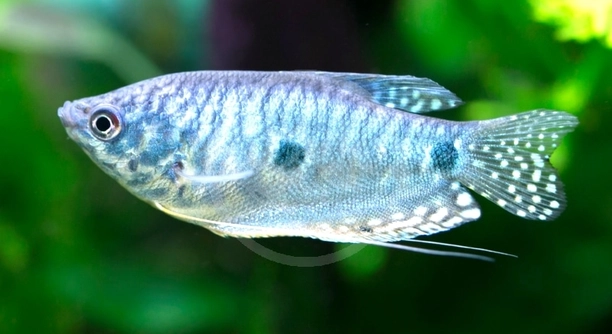
Gouramis are a popular choice for aquarium enthusiasts due to their beauty and peaceful nature. However, some owners may notice that their gouramis aren’t growing as expected. Understanding why this happens can help improve their growth.
There are several potential reasons your gourami may not be growing, including poor water quality, an inadequate diet, overcrowded tank conditions, or stress. Ensuring the right environment and proper care is crucial for their healthy development and growth.
By identifying the factors that may be affecting your fish, you can make adjustments to support their growth. This article will explain what to look for and how to correct the problem.
Poor Water Quality
Water quality is one of the most important factors for the growth of any fish, including gouramis. If the water is not clean or the parameters are off, your fish may struggle to thrive. Ammonia, nitrites, and nitrates should always be kept in check, as high levels of any of these can harm your gourami’s health and stunt its growth. Regular water changes are essential to maintain a healthy environment, along with proper filtration.
Without maintaining proper water quality, your fish will not grow properly. A lack of consistent cleaning or poor filtration can lead to stress and illness. The ideal water temperature for gouramis is between 75°F to 80°F, with a pH of 6.5 to 7.5.
In addition to regular water changes, be sure to test the water periodically. This helps detect imbalances that can hinder your fish’s growth. If you find that levels are not ideal, it’s important to address the issue quickly. Proper filtration and a consistent cleaning schedule will prevent future problems.
Inadequate Diet
An improper diet can slow your gourami’s growth. They require a balanced diet rich in protein, vitamins, and minerals to thrive. If you’re feeding them only one type of food, they may miss out on essential nutrients.
Offering a varied diet is key. You should give your gourami a mix of high-quality pellets, flakes, frozen or live foods, and even plant matter. They are omnivores, so they benefit from a combination of protein and vegetables. Feeding them too much or too little can both have negative effects.
Proper feeding habits are essential for a growing gourami. Too much food can cause obesity or water quality problems, while too little food will stunt their growth. Make sure to feed them appropriately and adjust portion sizes to match their needs.
Overcrowded Tank
Overcrowding is a common issue in many aquariums. If there are too many fish in your tank, it can cause stress for your gourami. The more fish there are, the less space your gourami has to swim and grow.
Gouramis need enough space to feel comfortable and grow properly. A crowded tank also leads to poor water quality, as more waste is produced. To avoid this, make sure your tank is appropriately sized for the number of fish you have. Generally, a 20-gallon tank is a good starting point for a single gourami, with an additional 10 gallons for each extra fish.
If your tank is overcrowded, your gourami may not reach its full growth potential. Stress from being in a cramped space weakens its immune system and stunts growth. Try rearranging decorations or adding more filtration to improve the situation, or consider rehoming some fish to give your gourami more room to grow.
Stress Factors
Stress plays a huge role in preventing your gourami from growing. Factors like sudden temperature changes, aggressive tankmates, or loud noises can all contribute to stress. This can hinder growth and even lead to illness.
Stress weakens your gourami’s immune system, making it more vulnerable to diseases. When a fish is stressed, it may also stop eating, further limiting its ability to grow. Some stressors, like aggressive tankmates, may cause your fish to hide or become lethargic. It’s essential to identify and eliminate these stressors to help your gourami thrive.
Make sure your gourami is kept with peaceful fish that won’t harass it. Additionally, place the aquarium in a quiet spot where it won’t be disturbed by sudden movements or loud sounds. Keeping the water temperature stable also helps minimize stress.
Poor Tank Maintenance
A dirty tank can harm your gourami’s growth. If you’re not maintaining the tank properly, it can lead to poor water quality and build-up of harmful toxins. This, in turn, will stress your fish and stunt its growth.
Regular cleaning is essential to maintain a healthy tank environment. Clean the substrate, filter, and remove any excess algae to keep the water clear. Failing to do this will result in imbalanced water conditions, which prevent your gourami from reaching its full growth potential. Keeping your tank clean also minimizes the risk of disease and health issues.
Improper Tank Conditions
Your gourami’s tank needs to match its natural habitat to grow properly. If the conditions, like temperature, pH, or hardness, are not right, it can affect your fish’s growth.
Gouramis prefer a temperature range of 75°F to 80°F with a pH level between 6.5 and 7.5. If the water is too warm or too cool, it can cause stress. Similarly, water that’s too soft or too hard may interfere with their natural growth rate. Make sure you regularly test your water parameters to ensure they remain within ideal ranges.
Lack of Space to Swim
Fish need space to swim and grow. If your gourami doesn’t have enough room, its growth will be limited. Overcrowded tanks or decorations that block its movement will stunt its development.
Providing enough swimming space encourages your gourami to exercise and stay healthy. Make sure your tank size matches the number of fish you have and that there’s plenty of room for your gourami to move freely. If necessary, reduce the number of fish or rearrange the decorations to create more open space.
FAQ
What is the ideal water temperature for my gourami?
The ideal water temperature for your gourami is between 75°F to 80°F. If the water is too hot or too cold, it can cause stress and affect its growth. Maintaining a consistent temperature within this range is crucial for the health of your fish. A reliable aquarium heater can help regulate the water temperature, especially if you live in a place with fluctuating temperatures.
How often should I feed my gourami?
Feed your gourami 2 to 3 times a day. Provide small portions each time to avoid overfeeding, which can lead to poor water quality and health problems. A balanced diet with a mix of pellets, flakes, and occasional live or frozen foods will keep your fish healthy and promote growth. Make sure to remove any uneaten food after a few minutes to prevent it from affecting the water quality.
How can I tell if my gourami is stressed?
Stress in gouramis can manifest in several ways, including unusual swimming patterns, hiding, or loss of appetite. If your gourami is frequently hiding or swimming erratically, this could indicate that it’s stressed. Additionally, if it refuses to eat, it may be a sign that something in the tank is causing discomfort. Observe your fish for any changes in behavior, and make sure to address the potential causes, such as water quality, temperature, or tankmates.
Can I keep different types of gouramis together?
Yes, but it’s important to choose species that are compatible. Gouramis are generally peaceful, but some types, like the male betta or aggressive species, may not mix well with others. Ensure the tank is large enough to accommodate multiple gouramis and that there are enough hiding spots to reduce territorial conflicts. It’s also important to monitor them for any signs of aggression, especially if you’re introducing new fish into the tank.
What kind of tankmates are best for my gourami?
Gouramis do best with peaceful fish that won’t compete for food or space. Suitable tankmates include other peaceful species such as tetras, rasboras, and catfish. Avoid aggressive or fin-nipping fish like certain cichlids or barbs, as they can stress your gourami and affect its growth. Make sure to research each species’ temperament and size before adding them to the tank.
How do I maintain good water quality in my tank?
Good water quality is key to your gourami’s health. Perform regular water changes, ideally 20-30% every week, to keep the water clean. Also, check your filter regularly and clean it as needed to prevent clogging. Make sure the water temperature, pH, and hardness are within the recommended ranges. Using a water test kit helps you monitor ammonia, nitrites, and nitrates, ensuring they stay at safe levels for your fish.
How can I tell if my gourami is not growing properly?
If your gourami appears smaller than expected for its age or shows signs of lethargy, it could indicate that it’s not growing as it should. Look for signs like lack of appetite, abnormal swimming patterns, or poor color. If your fish is not growing, it could be due to poor water quality, inadequate diet, overcrowding, or stress. Regularly monitor your fish’s behavior and health to catch any issues early on.
Should I use a heater in my gourami’s tank?
Yes, using a heater is highly recommended for maintaining the ideal water temperature for your gourami. A stable temperature within the 75°F to 80°F range promotes healthy growth and overall well-being. Make sure the heater is appropriately sized for your tank, and monitor the water temperature regularly to prevent overheating or underheating.
How much space does my gourami need?
A single gourami needs at least a 20-gallon tank. If you plan to keep more than one, you’ll need to increase the tank size accordingly. Providing enough space for swimming helps your gourami grow properly and reduces stress. It’s also important to ensure that there’s enough space for hiding spots and territories, especially if you have multiple fish.
Can I use tap water for my gourami’s tank?
Yes, you can use tap water, but you must treat it first. Tap water often contains chlorine or chloramine, which can be harmful to your fish. Use a water conditioner to remove these chemicals before adding it to your tank. Also, check the hardness and pH of the tap water to ensure it’s suitable for your gourami. If the water quality is not ideal, consider using filtered or distilled water instead.
Final Thoughts
Taking care of a gourami involves more than just feeding it and keeping it in a tank. There are many factors that affect its growth and well-being. From maintaining clean water to providing the right diet and environment, it’s important to stay on top of all the needs of your fish. If you notice that your gourami isn’t growing as expected, it’s usually a sign that something isn’t quite right. Whether it’s the water quality, the tankmates, or stress, addressing these factors can help your fish thrive.
It’s essential to create the best environment possible for your gourami to reach its full potential. Ensuring that your tank is not overcrowded, maintaining the right water conditions, and keeping the right temperature will go a long way in promoting growth. Regular water changes and checking for signs of stress or illness will help you catch problems early and prevent stunted growth. Keep in mind that a balanced diet, which includes both protein and vegetables, is key to keeping your gourami healthy. Overfeeding or underfeeding can both lead to issues that slow growth, so be mindful of portion sizes and feeding frequency.
In the end, your gourami’s growth is a reflection of the care you provide. Taking the time to monitor water quality, provide the right tank conditions, and give it the attention it needs will ensure that your fish grows to its full size and stays healthy. Every fish has its own needs, and being patient and observant will help you create the best environment for your gourami. By following these guidelines, you can enjoy watching your fish grow and flourish.

Hello,
If you enjoy the content that we create, please consider saying a "Thank You!" by leaving a tip.
Every little bit helps us continue crafting quality advice that supports the health, happiness, and well-being of pets around the world, for pets of all shapes, sizes, and species.
We really appreciate the kindness and support that you show us!