
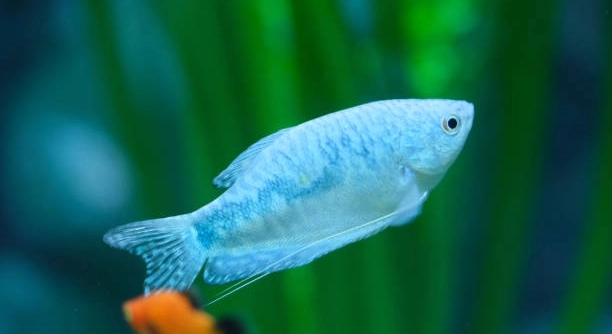
Gouramis are peaceful, colorful fish that many aquarium enthusiasts enjoy keeping. If you’re considering adding them to your community tank, it’s important to understand how they interact with other species and their specific care needs.
Gouramis can be kept in a community tank, but it’s important to select compatible tank mates. They thrive in peaceful environments with species that do not display aggression or rapid movements. Careful consideration of tank dynamics is key.
Choosing the right companions for your gouramis will help ensure their happiness and health. Proper planning will make a difference in creating a thriving community tank with harmonious relationships between species.
Choosing the Right Tank Mates for Gouramis
When it comes to keeping gouramis in a community tank, choosing the right tank mates is essential. Gouramis are generally peaceful and do well with other calm fish. However, some species may not be compatible due to different temperaments or environmental needs. Small, non-aggressive fish, like tetras or corydoras, often make good companions for gouramis. It’s also important to ensure that the fish share similar water temperature and pH requirements. Be cautious about adding aggressive species, as they can stress out your gouramis, leading to health issues.
For the best results, you should aim to create a peaceful environment where all fish can thrive. Avoid adding species that are known for their territorial behavior or fin-nipping tendencies. This will help prevent any disruptions in the aquarium that could harm your gouramis or other fish.
When planning your tank, consider both the size of the tank and the type of species that will work well together. Proper research into each species’ compatibility is key to achieving a balanced and harmonious tank. Selecting fish that have similar care needs and temperament will create a better living space for everyone.
Gourami Tank Setup
Setting up a tank for gouramis requires careful attention to detail. A well-planted tank with plenty of hiding spots will make gouramis feel more secure. They enjoy having places to retreat when they feel threatened or stressed.
A tank that’s large enough to accommodate both gouramis and their tank mates comfortably is essential. Gouramis need enough space to swim freely without feeling crowded. Additionally, adding plants such as Java ferns or floating plants can mimic their natural environment and help them feel more at ease. Be sure to include both open swimming areas and places to hide.
Water quality is another critical factor to consider. Gouramis prefer clean, slightly acidic water with a temperature range of 75-82°F. Regular water changes and a good filtration system will help maintain these conditions. Also, keep the tank well-lit but not too bright, as gouramis tend to thrive in lower light settings.
Potential Issues in a Community Tank
While gouramis are peaceful, there are potential issues that could arise in a community tank. Aggressive species, especially certain types of barbs or cichlids, may not tolerate the peaceful nature of gouramis. Gouramis can become stressed if other fish are constantly harassing them, which could impact their health and behavior.
One common issue is bullying or fin-nipping, especially when male gouramis are kept together. It’s important to monitor the tank and remove any aggressive fish if necessary. Additionally, gouramis are slow swimmers, and they may struggle to compete for food with faster-moving fish. Ensure that food is evenly distributed throughout the tank and that every fish has a chance to eat.
In some cases, gouramis might also display territorial behavior, particularly if there are not enough hiding spots or the tank is overcrowded. Stress from these issues can lead to health problems like loss of color, lack of appetite, or increased vulnerability to disease. Regular observation is key to keeping the peace in a community tank.
Tank Maintenance for Gouramis
Maintaining a tank with gouramis requires attention to water quality and the general health of your aquarium. Regular water changes are essential to keep toxins like ammonia and nitrates under control. Gouramis are sensitive to poor water quality, so it’s important to maintain clean, stable conditions for their well-being.
Keeping the tank free from debris and excess food will help maintain water clarity. It’s also a good idea to clean any equipment, such as filters or heaters, to ensure that everything is running smoothly. The plants in the tank also need maintenance, as dead leaves can contribute to poor water quality. Regularly trim any excess plant growth and remove any decaying matter.
Another aspect of tank maintenance is monitoring the fish’s health. Look for signs of illness, such as unusual swimming patterns, loss of color, or signs of parasites. Treat any health issues promptly to prevent the spread of disease throughout the tank. Regular check-ups will ensure your gouramis remain happy and healthy in their community setup.
Feeding Gouramis in a Community Tank
Gouramis are not picky eaters, but it’s important to provide a balanced diet for them. They typically enjoy flakes, pellets, and live or frozen foods like brine shrimp or bloodworms. Overfeeding can lead to water quality issues, so feed them small amounts once or twice a day.
To ensure they receive proper nutrition, vary their diet. Offering a mix of dry and protein-rich foods helps maintain their health and colors. If you have other species in the tank, make sure all fish get enough food, as gouramis may struggle to compete with faster eaters.
It’s also essential to monitor the amount of food consumed in the tank. Any uneaten food should be removed to avoid excess waste that can pollute the water. This can also prevent food from decaying, which could lead to a rise in harmful toxins, affecting the entire tank’s environment.
Water Quality and Temperature
Gouramis thrive in clean, stable water conditions. They prefer water with a temperature range of 75-82°F and a slightly acidic pH level. Make sure your tank is equipped with a reliable filtration system to keep the water clean. Regular water changes are necessary to maintain good water quality.
To prevent stress, keep the water conditions consistent. Sudden temperature or pH changes can harm your gouramis and other tank mates. Avoid placing your tank in areas where temperature fluctuations are frequent, such as near windows or air conditioning units.
Test the water regularly using aquarium test kits to check the levels of ammonia, nitrates, and pH. Regular maintenance and monitoring can help create an ideal environment for gouramis, allowing them to flourish in a community tank. Healthy water is crucial for the overall success of the aquarium.
Gouramis and Tank Size
Gouramis can adapt to smaller tanks, but they will thrive best in a larger space. A tank size of at least 20 gallons is recommended to provide enough swimming room. This helps avoid stress and supports a more balanced ecosystem.
A larger tank also allows you to keep more fish and plants, creating a more natural environment for your gouramis. It’s easier to maintain water quality in a bigger tank, as the water is less likely to become polluted quickly. When considering tank size, think about the number of fish and plants you plan to have.
Handling Gouramis’ Aggression
While gouramis are typically peaceful, some may show aggression, particularly males during breeding seasons or when they feel crowded. It’s important to monitor them closely for signs of bullying, like chasing or fin-nipping. Ensuring plenty of hiding spots can help reduce stress.
Keeping a proper balance of males and females, and providing sufficient space, helps prevent aggression. If problems arise, separating aggressive gouramis or reconfiguring the tank layout can reduce tension. It’s essential to pay attention to the behavior of your gouramis and take action before aggression becomes a bigger issue.
Compatibility with Other Species
Gouramis are best suited for peaceful community tanks. They can live with tetras, catfish, and other non-aggressive fish. However, avoid aggressive or territorial species like certain cichlids, which may stress or harm the gouramis. Always consider the nature of the other fish in the tank before adding gouramis.
FAQ
Can gouramis live with bettas?
Gouramis and bettas both have a reputation for being aggressive, especially when it comes to other males of their species. However, they can sometimes live together in a community tank if there’s enough space. The key is to monitor their behavior closely. Avoid placing males together, as this often leads to fighting. Female gouramis might have better luck with bettas, as they are generally less aggressive. Always ensure there are plenty of hiding spots and visual barriers in the tank to reduce potential conflicts.
What size tank do gouramis need?
A 20-gallon tank is the minimum size for keeping gouramis comfortably. While they can survive in smaller tanks, a larger tank provides more space for swimming and allows for better water quality management. In a 20-gallon or larger tank, you can maintain a balanced environment with plants and other peaceful fish. This size also makes it easier to prevent overcrowding, which can lead to stress and territorial behavior.
Do gouramis need a filter?
Yes, gouramis need a filter to maintain good water quality. They prefer stable, clean water, and a filter helps keep the water free of harmful toxins like ammonia and nitrates. Make sure to choose a filter with an adjustable flow rate, as gouramis prefer calm waters. Too much current can stress them out, especially if the filter is too strong.
Are gouramis hardy fish?
Gouramis are relatively hardy and can tolerate a range of conditions, but they still require a stable environment to thrive. They are sensitive to sudden changes in water parameters, such as temperature, pH, or salinity. While they can adapt to a variety of conditions, consistent care and regular water changes are essential to their health.
How often should I feed my gouramis?
Gouramis should be fed once or twice a day, offering small portions of food they can consume within a few minutes. Overfeeding can lead to poor water quality and health problems. You can vary their diet with flakes, pellets, and occasional live or frozen foods like brine shrimp or bloodworms to keep them healthy and vibrant.
Can gouramis live with snails?
Yes, gouramis can live with snails. Snails can actually help keep the tank clean by eating leftover food and algae. However, it’s important to make sure that the snails you choose are peaceful and won’t disrupt your gouramis or other fish. Avoid large or aggressive snails, as they might compete for food or space.
What is the lifespan of a gourami?
On average, gouramis can live for 4 to 6 years with proper care. Some species may live a bit longer, especially if they are kept in a stable, clean environment and are fed a balanced diet. Regular monitoring of water parameters and routine tank maintenance can help ensure your gourami lives a long and healthy life.
Do gouramis need a lot of hiding spaces?
Gouramis enjoy having some places to hide, particularly when they feel stressed or threatened. Providing hiding spots, such as plants, rocks, or caves, can help them feel secure. It’s especially important to create a comfortable environment if you have multiple gouramis or other fish species in the same tank. Hiding spaces help reduce territorial disputes and keep stress levels down.
Are gouramis fin nippers?
Gouramis are not generally fin nippers, but certain species or individuals might display this behavior, especially if they are feeling stressed or crowded. It’s more likely to happen when males are kept together in confined spaces or during breeding periods. To prevent this, ensure your tank is large enough and provide plenty of space for each fish to feel secure.
What temperature do gouramis prefer?
Gouramis prefer water temperatures between 75°F and 82°F. Maintaining this temperature range is important for their health and overall well-being. Sudden temperature fluctuations can cause stress and lead to health problems, so make sure your tank’s heater is reliable and keeps the water stable. Avoid placing your tank in areas where temperature changes are frequent.
Do gouramis get along with other fish?
Yes, gouramis are generally peaceful and can get along with many other fish species, especially those that are also peaceful. Good tank mates include tetras, catfish, and peaceful species like rasboras. Avoid aggressive fish, such as certain cichlids or barbs, as they can cause stress and conflict in the tank. Always monitor their interactions to ensure everyone is getting along.
Why are my gouramis hiding?
Gouramis may hide for a variety of reasons. If they are feeling stressed or threatened by other fish, they may retreat to a hiding spot to feel safe. Gouramis can also hide if the water quality is poor or if the tank is too small or overcrowded. If they are hiding more than usual, check water parameters and tank conditions, and ensure there are enough hiding spaces for them.
Can gouramis live with goldfish?
Gouramis and goldfish do not always make good tank mates. Goldfish are cold-water fish, while gouramis prefer warmer temperatures. This difference in temperature needs can cause stress for either species. Additionally, goldfish are known to be messy eaters, and their waste can quickly degrade water quality, which is not ideal for the more delicate gouramis. It’s best to keep them in separate tanks to meet their specific care requirements.
Final Thoughts
Gouramis can be a wonderful addition to a community tank when kept with compatible species. Their peaceful nature and colorful appearance make them attractive to many aquarium owners. However, it’s important to understand their specific needs, such as water quality, temperature, and proper tank size. Keeping a balanced environment is crucial for their well-being, as they can be sensitive to changes in water conditions. By creating a stable and comfortable habitat, gouramis can thrive alongside other peaceful fish.
Selecting the right tank mates for gouramis is essential for a harmonious community tank. While they get along well with other calm fish like tetras and catfish, it’s important to avoid aggressive or territorial species. Overcrowding can also cause stress, so always ensure there is enough space for each fish to swim freely. Providing plenty of hiding spots will help reduce tension and give your gouramis a sense of security. In a well-planned tank, your gouramis will live peacefully with other species, creating a vibrant and balanced aquarium.
Finally, regular maintenance and monitoring are key to keeping your gouramis healthy. Routine water changes, proper feeding, and checking water parameters should be part of your regular aquarium care. If you notice any signs of stress, such as hiding or poor appetite, it may be time to reassess the tank setup. With a little attention and care, gouramis can live a long and healthy life in your community tank, contributing to the beauty and balance of your aquarium.

Hello,
If you enjoy the content that we create, please consider saying a "Thank You!" by leaving a tip.
Every little bit helps us continue crafting quality advice that supports the health, happiness, and well-being of pets around the world, for pets of all shapes, sizes, and species.
We really appreciate the kindness and support that you show us!