
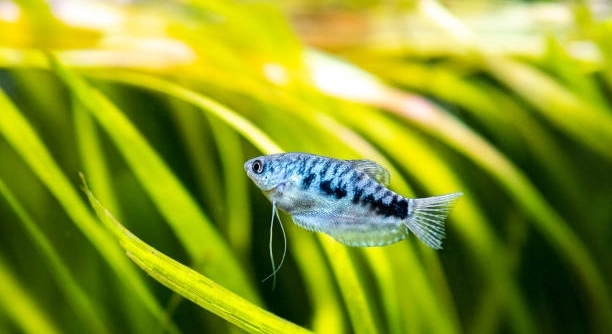
Have you ever found yourself staring at a fish tank, watching a gourami gently blow bubbles, and wondered what it’s doing? These delicate little structures often appear overnight, resting calmly on the water’s surface.
Male gouramis build bubble nests as part of their breeding behavior. These nests serve as a safe place to hold and protect fertilized eggs. The bubbles help keep the eggs oxygenated and secure until they hatch.
While this may seem like a simple act, there is a lot more behind this nesting behavior that’s both fascinating and essential to the gourami’s natural instincts.
What Bubble Nests Really Do
Bubble nests are important for reproduction in gouramis. These nests are made by the male, who uses air and saliva to form small bubbles that float at the water’s surface. Once the nest is ready, the male will try to attract a female to spawn. After the female lays the eggs, the male places them into the nest and guards them carefully. The bubbles provide oxygen and keep the eggs from sinking. This behavior is common in many labyrinth fish, like bettas, who also rely on air-breathing organs and need nests close to the surface. These nests are not random. The male chooses quiet spots with still water, away from strong currents or disturbances. Sometimes, plants or floating debris help keep the bubbles together. Once the eggs hatch, the male may continue to protect the fry for a short time until they can swim on their own and leave the nest.
Gouramis use their bubble nests to give the eggs a stable and oxygen-rich spot to develop. Without these nests, the eggs would have a lower chance of surviving in the water.
Understanding this nesting process helps aquarists create the best environment for breeding. Calm waters, floating plants, and stable temperatures all support healthy nest building and fry development.
Why Gouramis Build in Still Water
Still water gives bubble nests the support they need to stay intact. Too much movement can break the nest apart before the eggs are ready to hatch.
Gouramis are often found in slow-moving or stagnant waters in the wild. These areas allow the bubbles to stay in place, giving the eggs a better chance of survival. In a home aquarium, filters or bubbling devices can create too much surface disturbance. That’s why many gourami keepers turn off or reduce the water flow when breeding is expected. Floating plants can also help by shielding the nest from movement and giving the male a better space to build. Without these calm conditions, the male may become stressed and abandon the nest. It’s also important to keep the water temperature consistent, as cooler temperatures can slow development or reduce nest building activity. Creating the right setting gives your gouramis the best chance to breed naturally and successfully in captivity.
How Males Take the Lead
Male gouramis take full responsibility for building and guarding the bubble nest. They start by selecting a quiet corner, often near floating plants, then carefully blow and stack bubbles using their saliva.
Once the nest is complete, the male begins courtship by showing off his colors and movements to attract a female. If she accepts, they will embrace and the female will release eggs. The male catches the falling eggs and places them into the nest, repeating the process until spawning is done. Afterward, he chases the female away to prevent her from disturbing the nest. He then stays nearby, guarding the eggs and repairing any damage to the bubbles. His focus remains sharp until the fry hatch and begin to swim freely. At that point, his role usually ends, and the young fish move on without further care from him.
Watching this behavior shows how much effort the male puts into protecting his offspring. His instincts guide him to maintain the nest, gently blow new bubbles, and fend off anything he sees as a threat. While some males are more active than others, this dedication is a natural part of breeding. It helps ensure more of the fry survive and grow in a safe, stable space.
When Things Don’t Go Right
Sometimes a male gourami may build a nest but show no interest in protecting it. This can happen due to stress, illness, or poor tank conditions. Inconsistent temperatures or strong currents may also cause him to stop.
If the male doesn’t maintain the nest or leaves the eggs unattended, they may not survive. Poor water quality, low oxygen, or a lack of privacy can disrupt his behavior. It’s important to monitor his actions during this stage. If he eats the eggs or abandons the nest, this is usually a sign something is off. Checking for tank issues like temperature drops, high flow, or aggressive tank mates can help fix the problem. Some males might also need more time or a better environment before they are ready. Patience and proper care often lead to better outcomes in future attempts.
What Helps Bubble Nests Last
Floating plants like water lettuce or duckweed help support the bubbles and give the male a solid place to build. These plants also make the fish feel safer and less exposed.
Keeping the tank warm and calm is key. A temperature between 78–82°F helps the male stay active and focused.
When to Expect Nesting Behavior
You’ll often see nest building when the male is healthy and the water conditions are right. This can happen even without a female present. It’s usually a sign he feels safe and has what he needs to breed. Some males build more often, especially when they’re mature and well-fed. If a female is nearby, he may start building quickly. You may notice more activity near the surface, like blowing bubbles or guarding a corner. This is normal and part of the process. Keeping the environment stable and clean supports this behavior and increases the chances of a successful spawn.
Signs the Eggs Have Hatched
Small fry will start hanging just below the nest, often barely moving. They stay near the bubbles until they’re ready to swim on their own.
FAQ
Why do gourami males build bubble nests?
Male gouramis build bubble nests as part of their breeding process. The nests help provide a safe and oxygenated space for the eggs after the female releases them. The male guards the nest and ensures the eggs stay safe and protected until they hatch.
How do gourami males create bubble nests?
The male gourami creates a bubble nest by blowing air bubbles at the water’s surface. He uses his mouth to expel the bubbles and a mixture of saliva to help keep them together. The bubbles form a floating cluster that can vary in size depending on the male’s efforts.
Do all gouramis build bubble nests?
Not all gourami species build bubble nests, but many labyrinth fish, such as bettas and gouramis, do. The species most known for this behavior include the dwarf gourami, the pearl gourami, and the kissing gourami. Different species may have different nest-building techniques, but they all serve the same purpose: to protect eggs during reproduction.
What conditions do gouramis need to build bubble nests?
Gouramis need still or slow-moving water, warm temperatures, and floating plants to build a successful bubble nest. The water should be between 78°F and 82°F for optimal conditions. Avoid strong currents and keep the tank clean to support natural nesting behavior. Providing plenty of floating plants like water lettuce or duckweed can help support the bubbles and create a sense of safety for the male.
How long does it take for a bubble nest to form?
It can take anywhere from a few hours to a couple of days for a male gourami to build a complete bubble nest. The time depends on the male’s health, the tank conditions, and how comfortable he feels. The nest typically grows bigger as he adds more bubbles to it, continuing until he feels it is ready for spawning.
Can a female gourami build a bubble nest?
No, only the male builds the bubble nest. He does this as part of his courtship behavior to attract a female. Once she releases eggs, he catches them and places them in the nest for protection. The female may help with the spawning process but does not build the nest herself.
What happens if the male abandons the bubble nest?
If the male abandons the bubble nest, the eggs may not survive. The bubbles can break apart or float away, and without the male’s care, the eggs are left unprotected. If this happens, it’s usually a sign that something in the tank environment is not ideal, such as poor water conditions, temperature fluctuations, or stress.
How can I encourage my gouramis to build a bubble nest?
To encourage nest building, create a calm, warm environment. Turn off or reduce filtration to minimize water movement and allow the male to feel secure. Provide floating plants to help support the bubbles and mimic their natural environment. Keep the water temperature between 78°F and 82°F, and make sure the water is clean and clear.
Can a bubble nest survive in a tank with other fish?
A bubble nest can survive with other fish, but tank mates need to be peaceful and non-aggressive. Some fish may disturb the nest by swimming through it, damaging the bubbles or causing the male to abandon the nest. It’s best to house gouramis in a tank with calm, non-invasive species, especially when they are breeding.
How long do the eggs stay in the bubble nest before hatching?
The eggs typically hatch within 24 to 48 hours after they are placed in the bubble nest. After hatching, the fry will remain near the nest for a few days, getting their strength by feeding on their yolk sacs. Once they are strong enough to swim on their own, they will leave the nest.
Why do some males take longer to build a nest?
Some males may take longer to build a nest because of stress, poor health, or suboptimal tank conditions. A male who feels insecure, or is not in the right environment, may take more time to get started or may not finish the nest properly. Ensuring that the water conditions are ideal can help speed up the process.
What should I do if my gourami male is not building a bubble nest?
If your male is not building a bubble nest, check the water temperature, flow, and cleanliness. Make sure the tank has floating plants and that the male feels safe. If the conditions are right, he may eventually start building. Patience is key, but if he continues to show no interest, consider separating him from other fish to reduce stress or adding a potential mate.
Can gouramis build bubble nests in tanks with filters?
Yes, gouramis can build bubble nests in tanks with filters, but the filter should not create strong currents. Strong water flow can disturb the nest and disrupt the male’s nesting behavior. To reduce this risk, consider adjusting the filter flow or turning it off temporarily while the male is building the nest.
How do I know when my gourami fry are ready to leave the bubble nest?
When the fry are ready to leave the nest, they will begin swimming around the tank on their own. At first, they will stay close to the nest, but as they grow stronger, they will explore more. It’s important to wait until they are fully free-swimming before removing the male or making any changes to the tank.
Final Thoughts
Understanding why gourami fish build bubble nests gives us a deeper appreciation for their behavior and the effort that goes into ensuring the survival of their offspring. The bubble nest is more than just a floating structure; it’s a protective space that allows the eggs to develop safely, away from predators or disturbances in the water. By creating a stable, oxygen-rich environment for the eggs, the male ensures that the fry have the best possible chance of surviving once they hatch. This process, though simple in appearance, involves careful attention to water conditions, temperature, and the right environment. If you’ve ever seen a male gourami tending to his nest, you’ve witnessed a natural instinct that has been honed over millions of years.
If you’re planning to breed gouramis, providing the right conditions is essential. The tank should be calm with minimal water flow, a temperature range between 78°F and 82°F, and plenty of floating plants for the male to build his nest. Pay attention to the water quality, as clean, clear water is crucial to encourage the male to start building his nest. The presence of a healthy female also helps, as she triggers the spawning process once the male has prepared his nest. It’s important to create a comfortable and stable environment to reduce stress for the male and female. Doing so will make the process smoother and increase the chances of successful breeding.
However, breeding gouramis does come with its challenges. It’s not always guaranteed that the male will build a nest or successfully guard the eggs. Factors like tank size, water conditions, and even the male’s health can influence his ability to complete the nesting process. It’s also crucial to remember that not all fish will behave the same, even if they’re of the same species. Some males may need more time or may not build a nest at all if the conditions aren’t ideal. Patience is key, and keeping an eye on the overall tank environment will help support the natural processes.

Hello,
If you enjoy the content that we create, please consider saying a "Thank You!" by leaving a tip.
Every little bit helps us continue crafting quality advice that supports the health, happiness, and well-being of pets around the world, for pets of all shapes, sizes, and species.
We really appreciate the kindness and support that you show us!