
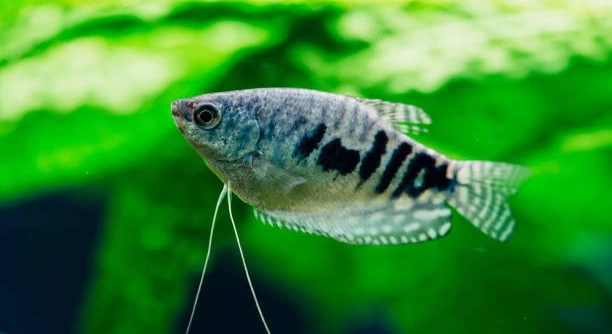
Is your gourami acting restless, hiding more than usual, or even showing signs of aggression toward tank mates? These behaviors may be hinting at a bigger issue with its current living space.
Gouramis often show stress and abnormal behavior when housed in tanks that are too small. A cramped environment can lead to poor water quality, stunted growth, and territorial conflicts, all of which can impact your fish’s health and well-being.
Recognizing the signs early can prevent long-term issues and help you create a more comfortable home for your gourami. Each sign offers insight into what your fish might need.
Sign 1: Your Gourami Is Often Hiding
Gouramis like to explore their tank, swim in open spaces, and occasionally rest near plants or decorations. If your gourami spends most of its time hiding or pressed against tank corners, it could be feeling overwhelmed or stressed due to limited space. Small tanks can make gouramis feel insecure, especially when there isn’t enough room to establish personal territory. Constant hiding is often a sign that your fish doesn’t feel safe. It may also be competing with other fish for the little space available. In a larger tank, gouramis tend to be more relaxed and display their natural behaviors more freely. They swim with more confidence, and their colors may even appear brighter. If your fish hides for long periods, especially during the day, consider evaluating the tank size and layout. Adding space could make a noticeable difference in both its behavior and overall health.
A cramped tank makes it harder for your gourami to establish personal space, leading to stress and more time spent hiding.
Giving your fish enough room helps reduce tension and brings out more natural, peaceful behavior. A 20-gallon tank or larger is ideal for one gourami, offering enough swimming space and room for decorations.
Sign 2: Aggression Toward Tank Mates
Fighting, chasing, or flaring fins constantly at other fish could be a warning sign that the tank is too small for your gourami.
When space is limited, gouramis can become highly territorial. A small tank forces them into close contact with other fish, even when they prefer solitude or a quiet area to themselves. This can cause them to act aggressively, especially if there isn’t enough room to create boundaries. Constant flare-ups might not just be due to temperament—it could be that your fish feels cornered or irritated by the lack of personal space. A larger tank allows each fish to find its own area and move freely without running into others. When there’s enough room to explore and retreat, aggression often decreases. Adding plants and decorations in a bigger space also helps break the line of sight, which lowers tension. Watching how your fish interacts with others is key to knowing when it’s time for an upgrade.
Sign 3: Rapid Breathing or Gasping at the Surface
If your gourami is breathing heavily or gasping at the surface often, it might be struggling with oxygen levels or stress from poor water quality in a small tank.
Limited tank space can make it hard to maintain stable water conditions. In smaller tanks, ammonia and nitrate levels build up faster, which affects oxygen levels and causes stress. Gouramis do have a labyrinth organ that lets them breathe surface air, but excessive surface gasping isn’t normal. It could mean the water is too polluted or the tank is too crowded. A bigger tank provides better oxygen exchange, more stable parameters, and less buildup of waste. It also supports healthier filtration and more consistent temperatures, both of which help your gourami breathe more comfortably. Watching for labored gill movement and frequent surface visits can help you spot this early and take action before it gets worse.
Adding an air stone or upgrading your filter can help, but moving to a larger tank is usually the most effective solution. A larger volume dilutes toxins better and offers a more stable environment, giving your gourami a chance to breathe easily and feel more at ease in its surroundings.
Sign 4: Stunted Growth or Faded Color
A small tank can slow your gourami’s growth and dull its natural coloring over time. When they don’t have enough space to swim and develop properly, their overall health begins to decline.
Healthy gouramis grow steadily and show vibrant colors, especially when they feel secure and stimulated in their environment. In a cramped tank, physical activity is limited, and so is mental stimulation. This can affect not only growth but also immune strength. Poor water conditions, which are harder to manage in small tanks, make things worse. Nutrients may not be absorbed as efficiently, and waste builds up quickly. All of this can lead to duller colors, reduced energy, and even shortened lifespan. A spacious, well-maintained tank gives your fish the room to move, explore, and thrive—helping them grow stronger and more colorful with time. A healthy gourami is active, alert, and displays clear, bright patterns on its body.
Sign 5: Lack of Activity or Lethargy
A gourami that barely moves or floats in one spot most of the time may be bored or stressed due to a lack of space. Limited room reduces mental stimulation and encourages inactivity.
Even with proper feeding, poor tank conditions and restricted space can lower energy levels. Your fish needs room to swim and explore.
Sign 6: Poor Water Parameters Despite Regular Maintenance
Smaller tanks are harder to keep stable. Even if you’re doing regular water changes and filter cleanings, toxins can still build up faster than expected. Ammonia, nitrite, and nitrate levels rise quickly in small volumes of water. This constant swing in conditions can lead to chronic stress and illness in your gourami. A bigger tank gives more room for biological filtration and allows waste to break down more slowly and safely. You’ll notice fewer spikes in water quality and fewer health issues. If you’re constantly battling cloudy water, foul smells, or unstable readings, it’s a sign your tank is too small.
Sign 7: Frequent Illness or Fin Damage
Gouramis kept in small tanks are more likely to get sick or suffer from fin rot and torn fins. Cramped spaces make it easier for diseases to spread and harder for fish to heal.
FAQ
How big should a tank be for one gourami?
A single dwarf gourami should have at least a 10-gallon tank, though 15 to 20 gallons is better. For larger types like pearl or blue gouramis, 30 gallons or more is ideal. Bigger tanks give them more room to swim, reduce aggression, and keep water quality more stable. It also gives space for plants and decorations without making the tank feel crowded. Even if you only have one gourami, a larger tank will support its health and happiness much better than the bare minimum.
Can a gourami live in a 5-gallon tank?
Technically, a very young dwarf gourami might survive in a 5-gallon tank short-term, but it’s not recommended. The space is too small for long-term health. Water quality changes too fast in such a small volume, and the fish has no room to explore or escape stress. If you’re planning to keep any type of gourami for more than a few weeks, start with at least a 10-gallon tank and upgrade as needed. A cramped tank leads to stress, illness, and behavioral issues.
How can I tell if my gourami is stressed from a small tank?
Signs include hiding often, acting aggressive toward other fish, gasping at the surface, dull colors, not growing, or being inactive most of the day. Stress from a small tank affects both physical and mental health. These signs might appear slowly, so it’s easy to overlook at first. If you notice several of these signs at once, it’s a strong hint that your tank size might be part of the issue. Testing your water and observing your gourami’s daily behavior can help confirm the problem.
Will upgrading the tank really make a difference?
Yes, upgrading the tank can make a big difference in your gourami’s behavior and health. With more space, your fish can move around freely, explore, and establish its own territory. The water stays cleaner for longer, and the fish becomes more active, colorful, and relaxed. Even upgrading from a 10-gallon to a 20-gallon tank can lead to noticeable improvements. If you’ve been struggling with health issues or poor water readings, increasing the tank size is often the best solution.
Do gouramis need tank mates?
Gouramis don’t need tank mates, but some enjoy having them if the environment is calm and spacious. In small tanks, adding more fish can make things worse. If you want to include tank mates, make sure the tank is large enough, has hiding spots, and avoid pairing them with fin-nipping or aggressive species. Peaceful fish like corydoras or small rasboras often do well with gouramis in a properly sized tank. Always monitor interactions in the first few days after introducing new fish.
What’s the easiest way to upgrade to a bigger tank?
Set up the new tank first with clean, dechlorinated water, filter, and heater. Let it run for at least 24–48 hours. Move decorations and some of the old tank water to help with beneficial bacteria. Transfer the fish gently using a cup or net. Monitor the water closely over the next week. Avoid overfeeding during the first few days. Upgrading doesn’t have to be complicated, and doing it carefully helps your fish adjust smoothly without added stress.
How often should I clean a larger tank?
Larger tanks usually need less frequent maintenance compared to small ones. A weekly partial water change of about 20–30% is enough for most setups. Vacuum the gravel lightly and clean the filter monthly or as needed, depending on buildup. Watch your water test results—if ammonia or nitrate levels are high, increase your water changes. A larger tank offers more stability, but regular upkeep is still important. Balanced feeding and avoiding overcrowding help keep cleaning tasks simple and effective.
Final Thoughts
Keeping a gourami in the right tank size is more important than many people realize. These fish are peaceful, active, and curious by nature. When placed in a tank that’s too small, they start to show signs of stress—like hiding, getting sick often, or showing aggression. Over time, this can affect their overall health and shorten their lifespan. A larger tank gives them the space they need to move around, breathe easily, and feel more secure. It also helps you maintain better water quality, which is one of the key parts of keeping your fish healthy and comfortable.
If you’ve noticed changes in your gourami’s behavior or appearance, it might be time to think about the size of their current setup. Upgrading doesn’t have to be expensive or difficult. Even a small increase in tank size can make a big difference. Giving your gourami extra space can lead to brighter colors, more active swimming, and better overall behavior. It also gives you more room for plants, decorations, and even compatible tank mates if you decide to add more fish in the future. A good tank doesn’t just hold water—it supports a healthy and balanced environment your gourami can thrive in.
Being aware of the signs and making changes early can help prevent problems before they become serious. Watching your gourami each day and keeping an eye on things like breathing, color, and energy levels will help you catch issues quickly. If you provide enough space, clean water, and a calm environment, your gourami will be much more likely to stay healthy and live a longer life. In the end, giving your fish what it needs isn’t just about tank size—it’s about creating a space that lets them feel safe and act naturally. A larger, well-maintained tank is one of the best ways to do that.

Hello,
If you enjoy the content that we create, please consider saying a "Thank You!" by leaving a tip.
Every little bit helps us continue crafting quality advice that supports the health, happiness, and well-being of pets around the world, for pets of all shapes, sizes, and species.
We really appreciate the kindness and support that you show us!