
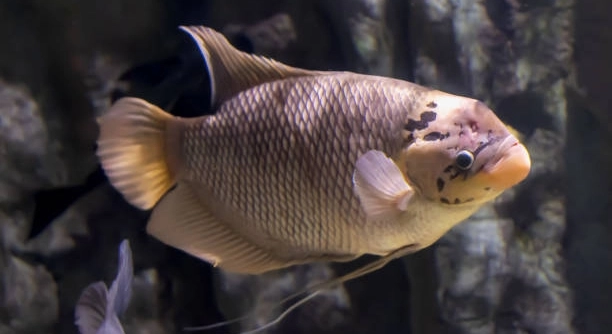
A healthy environment is essential for your gourami’s well-being. Providing the right conditions can improve their health, behavior, and longevity. It’s important to consider several aspects to ensure they thrive in your aquarium.
To enrich your gourami’s environment, focus on water quality, tank size, hiding spots, plants, and appropriate tank mates. Regular maintenance, proper lighting, and enriching activities can also help create a dynamic and comfortable habitat for your fish.
Enhancing your gourami’s environment with these simple strategies will improve their quality of life. Creating a balanced habitat promotes both health and happiness for your aquatic companion.
Water Quality and Filtration
Maintaining clean water is essential for any aquarium, especially for gouramis. Regular water changes are necessary to remove toxins and excess waste. A good filtration system helps keep the water clear and provides oxygen for your fish. Test the water regularly for ammonia, nitrites, and nitrates to ensure proper levels.
A quality filter should be chosen based on your tank size and the needs of your fish. It will not only help maintain water cleanliness but also provide circulation, which is crucial for gourami health. Make sure the filter does not produce too much current, as gouramis prefer calm waters.
To keep the water clean, perform partial water changes every 1-2 weeks. Vacuum the gravel and clean any decorations or equipment regularly. Investing in a reliable water testing kit will allow you to monitor the water quality at all times and prevent issues like algae buildup, which can affect your fish’s health.
Tank Size and Space
Gouramis need adequate space to thrive. A larger tank provides them with room to swim and explore, reducing stress. A 20-gallon tank is recommended as a minimum for a small group of gouramis.
A spacious tank allows for a variety of plants and decorations, giving your gouramis places to hide. Overcrowding can lead to territorial disputes, affecting their well-being. The more space they have, the more comfortable they will feel.
Hiding Spots and Decorations
Gouramis need places to hide for security. Adding plants, caves, and decorations in your tank gives them options to retreat and rest. These hiding spots reduce stress and make them feel safe in their environment.
A mix of plants, rocks, and driftwood creates natural hiding areas. Use live or silk plants, as plastic ones can harm your fish. Position decorations in a way that allows your gouramis to move around freely while still offering them shelter. It’s also important to provide spaces for breeding if you have multiple gouramis.
Make sure the tank decorations are stable and won’t easily shift. Gouramis are curious and may move things around. Check the tank regularly for any sharp edges or objects that could harm your fish. Also, avoid overcrowding the tank with too many decorations, as this can limit swimming space.
Lighting
Proper lighting is crucial for both your gourami’s health and the plants in the tank. Gouramis need a consistent light cycle to regulate their day and night rhythm. Aim for 10-12 hours of light per day.
Use a gentle lighting setup to avoid stressing your gourami. Bright lights can be overwhelming, so opt for a light intensity that mimics natural daylight. Many aquarists use LED lights with adjustable settings to control brightness. Adjusting the light intensity according to your fish’s behavior is a simple way to keep them comfortable.
Consider using light that supports plant growth as well. If you have live plants in the tank, it’s important to provide proper lighting to help them thrive. Healthy plants improve water quality and create a more natural environment for your gourami.
Appropriate Tank Mates
Gouramis are peaceful fish but can become territorial if they feel threatened. When choosing tank mates, opt for calm, non-aggressive species. Avoid fish that might nip at their fins or compete for space. The right companions help your gourami feel secure and comfortable.
Species like small tetras, snails, and peaceful catfish are suitable tank mates. Always monitor interactions to ensure your gouramis aren’t stressed by aggressive behavior. Avoid overcrowding the tank, as this can lead to stress for all fish. Introducing new tank mates gradually can also help reduce potential conflicts.
Tank Maintenance
Regular maintenance is vital for your gourami’s well-being. Ensure the tank is cleaned, the water is tested, and the filter is working properly. Regular water changes help prevent the buildup of harmful toxins.
Check the equipment monthly and clean any algae buildup from the glass. Make sure the filter is running efficiently and doesn’t produce strong currents. A stable and well-maintained environment ensures your gourami remains healthy and active.
Feeding
Feed your gourami a varied diet for optimal health. Offer a mix of high-quality flakes, pellets, and occasional live or frozen food. A balanced diet supports their immune system and keeps them energized.
Overfeeding can lead to water quality problems. Be mindful of portion sizes and avoid leaving excess food in the tank.
FAQ
How often should I change the water in my gourami tank?
Water changes should be done every 1-2 weeks. Perform partial changes of about 20-30% of the water each time. If your tank has a filter and plants, you might be able to stretch the interval between changes. Always test the water to ensure ammonia, nitrites, and nitrates are at safe levels.
What size tank do I need for gouramis?
A 20-gallon tank is the minimum size recommended for a small group of gouramis. Larger tanks provide more space for swimming, which reduces stress and helps maintain water quality. Gouramis appreciate having room to explore and hide. Larger tanks also allow you to introduce more plants and decorations.
Can gouramis live with other species?
Yes, gouramis can live with other species, as long as they are peaceful. They are not aggressive fish and get along well with species like small tetras, snails, and peaceful catfish. Avoid fish that are fin-nippers or very aggressive, as they may stress your gourami.
What water temperature is best for gouramis?
Gouramis prefer water temperatures between 75°F and 82°F (24°C – 28°C). It’s important to keep the temperature stable, as sudden changes can stress the fish. Use a reliable heater and thermometer to monitor the water temperature regularly, especially in colder climates.
Do gouramis need a filter?
Yes, gouramis need a filter to keep the water clean and provide adequate oxygen. However, the filter should not create strong currents, as gouramis prefer calm waters. Choose a filter suited for your tank size and keep it well-maintained to ensure it works efficiently.
What do gouramis eat?
Gouramis are omnivores, meaning they eat both plant and animal matter. They can be fed a variety of foods, including high-quality pellets, flakes, live or frozen foods like brine shrimp or bloodworms, and some blanched vegetables. A varied diet ensures they get the nutrients they need to stay healthy.
Do gouramis require live plants in their tank?
Live plants are not necessary, but they are highly beneficial. They help oxygenate the water, absorb excess nutrients, and provide hiding spots for your gouramis. Plants also improve the overall aesthetic of the tank, making it more natural and comfortable for your fish.
How can I reduce stress for my gourami?
Stress in gouramis can be caused by poor water quality, aggressive tank mates, or a lack of hiding spots. To reduce stress, maintain clean water, provide a calm environment, and ensure your tank mates are compatible. Adding plants, caves, and decorations also gives them places to hide and relax.
Why is my gourami swimming at the surface?
Gouramis are labyrinth fish, meaning they breathe air directly from the surface. It’s normal for them to spend time near the surface, especially if they’re not getting enough oxygen from the water. However, if your gourami is constantly at the surface or gasping, it could indicate a water quality issue or lack of oxygen.
How can I tell if my gourami is healthy?
Healthy gouramis have clear eyes, vibrant color, and are active in the tank. They should swim freely, not stay in one spot or hide excessively. Check for signs of illness, like faded colors, lesions, or erratic swimming. Maintaining good water quality and a proper diet supports overall health.
Can I breed gouramis in a community tank?
Breeding gouramis in a community tank is possible but can be challenging. Male gouramis become territorial during breeding and may chase other fish away. It’s better to set up a separate breeding tank with minimal distractions. You will also need to provide plenty of plants for the eggs to stick to and a separate area for the fry.
What is the lifespan of a gourami?
On average, gouramis live for 4-6 years, though some may live longer if given optimal care. Maintaining good water quality, a proper diet, and a stress-free environment can help your gourami reach its maximum lifespan. Regular tank maintenance and health checks are also key to longevity.
Why is my gourami changing color?
Gouramis may change color due to stress, illness, or changes in their environment. They can darken or lighten their colors depending on their mood or health. If the color change is sudden or accompanied by other symptoms like loss of appetite or erratic swimming, it’s a good idea to check water quality and seek advice from an expert.
Can gouramis live without a heater?
Gouramis need a stable, warm environment to thrive. While they can tolerate slightly cooler temperatures, they should not be kept in water colder than 70°F (21°C). A heater is essential, especially in cooler climates, to maintain a consistent temperature and ensure the fish remain comfortable and healthy.
How do I know if my gourami is stressed?
Signs of stress in gouramis include hiding, reduced activity, loss of color, and erratic swimming behavior. Stress can be caused by poor water quality, incompatible tank mates, or overcrowding. Monitoring your fish regularly and addressing any stressors can help keep your gourami healthy.
Final Thoughts
Creating a comfortable environment for your gourami is essential for its health and happiness. By ensuring your tank has the right water conditions, size, and peaceful companions, you can help your gourami thrive. Regular water changes, proper filtration, and a balanced diet are key factors in keeping your fish healthy. These simple steps make a big difference in maintaining the quality of life for your gourami. It’s also important to observe your fish regularly to detect any signs of stress or illness early, allowing you to address any problems promptly.
Setting up the right environment involves more than just water quality. Offering hiding spots, such as plants and decorations, helps reduce stress for your gourami, providing them with a safe space to retreat when needed. The more natural and comfortable their surroundings, the more content they’ll be. Additionally, introducing compatible tank mates ensures your gourami isn’t feeling threatened or out of place. Peaceful fish like small tetras or snails make ideal companions, and avoiding aggressive species is crucial for maintaining harmony in the tank.
Finally, while the care of a gourami doesn’t require extensive effort, it’s important to stay consistent in your approach. Small tasks like feeding, water monitoring, and tank cleaning go a long way in promoting the health of your fish. If you provide a suitable environment and stay attentive to their needs, your gourami will enjoy a long, active life. By maintaining a steady routine and responding to any changes in behavior or water quality, you’ll ensure a thriving tank for years to come.

Hello,
If you enjoy the content that we create, please consider saying a "Thank You!" by leaving a tip.
Every little bit helps us continue crafting quality advice that supports the health, happiness, and well-being of pets around the world, for pets of all shapes, sizes, and species.
We really appreciate the kindness and support that you show us!