
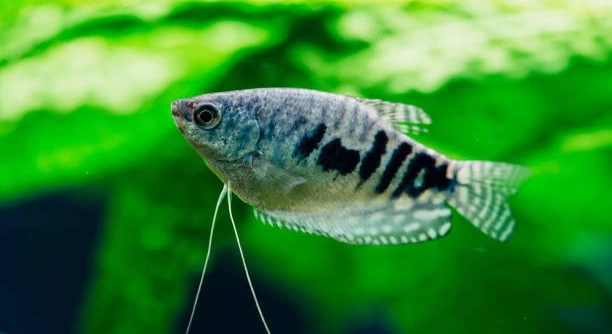
Is your gourami spending more time near the water’s surface, appearing restless or struggling to breathe despite a clean tank environment?
Gourami often gasp for air due to poor water quality, low oxygen levels, or inappropriate tank conditions. These issues can lead to respiratory distress, especially in environments lacking proper filtration, surface agitation, or temperature regulation.
Recognizing these causes early helps protect your fish from long-term harm and promotes a healthier, more stable aquatic environment.
Poor Water Quality
Gourami rely heavily on clean water to stay healthy. When ammonia or nitrite levels rise, their gills can’t function properly. Even slightly dirty water stresses them out, which can make breathing more difficult. These fish are especially sensitive to toxins, so poor water quality often shows up fast in their behavior. A sudden increase in gasping is a clear sign something isn’t right. Frequent water changes, checking your filter, and using water conditioners can help reduce the risk. Test your water weekly, and never skip a scheduled cleaning, even if the tank looks clear. Avoid overfeeding, as uneaten food breaks down and disrupts the balance.
Cleaning your tank regularly helps prevent buildup and keeps your gourami from needing to surface for air. A balanced, clean environment lets them breathe normally.
Even with regular tank maintenance, it’s easy to miss small changes that build up over time. Using a reliable test kit helps you catch ammonia spikes before they cause harm. Make sure to clean or replace your filter media on schedule. If your tank has live plants, they can help absorb some toxins and provide oxygen. Poor water conditions may also reduce your gourami’s appetite or lead to fin damage. Addressing this early helps prevent health complications and supports long-term well-being.
Low Oxygen Levels
Gourami have a labyrinth organ, allowing them to breathe air, but they still need good oxygen levels in the water.
Warm water holds less oxygen. When tanks are too hot or overcrowded, the oxygen drops and gourami go to the surface more often. This is even more likely if there’s limited surface movement. You can boost oxygen levels by adding an air stone or adjusting the filter output to create more water agitation. Avoid placing tanks in direct sunlight or next to heat sources, as these raise the temperature. Live plants can also help, but only if they’re healthy and growing. Dead or decaying plants lower oxygen levels. Always check the temperature daily and make sure it stays stable. Oxygen issues may not be obvious at first, but over time, your gourami will start acting differently—lethargy, gasping, and even hiding more often. By keeping the temperature steady and the water moving, you help maintain a safe, breathable environment.
Inadequate Filtration
A weak or dirty filter can’t remove waste or maintain proper water circulation. When water becomes stagnant, oxygen levels drop, and harmful substances build up. This can quickly make breathing harder for gourami, especially in smaller tanks.
Filtration does more than just keep water clear. It removes toxins, supports beneficial bacteria, and helps circulate oxygen throughout the tank. Without enough movement at the surface, oxygen exchange slows down, forcing your gourami to gasp for air more often. Sponge filters may work in small setups, but larger tanks need stronger filtration. Check the filter flow and make sure it’s not clogged or reduced. A clean, properly functioning filter helps maintain balance and provides a healthier environment for your fish. Skipping filter maintenance causes issues that aren’t always visible right away, but your gourami will show signs when things go wrong.
A filter that’s too strong or creates too much current can also stress gourami. They prefer calmer waters, and high flow may make it harder for them to swim and breathe comfortably. Choose a filter that matches your tank’s size and suits your fish’s needs. Adjust the flow rate if needed, or add decorations and plants to break up the current. Proper filtration creates stability without overwhelming your fish.
High Water Temperature
High water temperatures reduce oxygen levels and increase your gourami’s stress. They may start breathing faster, hang near the surface, or seem restless. Always monitor the tank temperature with a reliable thermometer to avoid overheating.
Gourami do best in water that’s between 74°F and 80°F. When temperatures climb higher, the oxygen in the water drops, making it harder for them to breathe. If your tank sits near a window, heater, or warm appliance, it can heat up faster than you expect. Warm water also speeds up metabolism, so your gourami may become more active and use oxygen quicker than usual. Use fans or aquarium chillers to keep the water stable if needed. Never rely on guessing the temperature—check it daily. Sudden changes in behavior like gasping, darting, or hovering at the surface often point to heat stress. Keeping the temperature consistent is one of the simplest ways to support healthy breathing.
Overcrowding
Too many fish in one tank leads to higher waste levels and lower oxygen. Gourami may start gasping at the surface more often when space and oxygen are limited. Overcrowding also causes stress, which weakens their immune system.
Each gourami needs enough space to swim, breathe, and establish territory. Small tanks make this harder and lead to conflict.
Disease or Parasites
Gourami with internal infections or gill parasites often gasp for air even when water conditions are good. These health issues affect breathing and can worsen quickly without treatment. Look for signs like clamped fins, loss of color, or changes in behavior. Quarantining new fish helps reduce disease risk in the main tank. Some diseases may spread through shared equipment, so clean tools thoroughly between uses. If your gourami continues to gasp despite clean water and proper temperature, consider checking for signs of illness. Treat promptly with appropriate medication, and consult a vet if the condition doesn’t improve. A healthy fish should breathe easily and remain active.
Poor Surface Agitation
Without surface movement, oxygen can’t properly enter the water. Still water reduces gas exchange, forcing gourami to breathe at the surface. Filters, air stones, or even manual stirring can help improve oxygen levels and support better breathing.
FAQ
Why do gourami go to the surface so often?
Gourami have a labyrinth organ that lets them breathe air at the surface, so it’s normal for them to go up occasionally. However, if they’re constantly gasping at the top, that may be a sign of poor water quality, low oxygen levels, or illness. In well-maintained tanks with enough oxygen, they shouldn’t need to surface often. Keep an eye on their behavior, and test the water regularly to make sure everything is balanced. If the water checks out fine but the problem continues, it’s worth looking into temperature, overcrowding, or health concerns.
Can poor lighting cause gourami to gasp for air?
No, lighting doesn’t affect how much oxygen is in the water. Gourami don’t need strong lighting, and dim conditions won’t cause breathing problems. The real concern is water movement and oxygen exchange. However, if the light encourages too much algae or raises the temperature, it could lead to other issues like poor water quality or overheating, which then may cause your fish to breathe harder. Keep lighting on a timer, and avoid placing the tank in direct sunlight. Stable conditions help reduce stress and support healthy breathing.
How often should I clean the tank to prevent oxygen problems?
Partial water changes should be done once a week to remove waste and refresh the tank’s oxygen levels. Dirty tanks have more ammonia and nitrites, which can damage gills and reduce oxygen absorption. Clean filters monthly (or as needed) to keep water moving and remove buildup. Avoid cleaning everything at once—preserving beneficial bacteria is key to a balanced system. A consistent routine helps prevent sudden drops in water quality and keeps the oxygen stable. Monitor your gourami’s behavior for early signs of stress between cleanings.
Do gourami need a bubbler or air stone?
A bubbler or air stone isn’t required, but it helps increase surface movement, which supports oxygen exchange. If your filter already creates enough surface agitation, you might not need an additional air source. Still, adding one can be useful in warm weather or if you have a lot of fish. Gourami don’t rely on air stones to breathe, but they do benefit from well-oxygenated water. Make sure any bubbles or currents created aren’t too strong, as gourami prefer calm areas.
Can a small tank cause my gourami to gasp for air?
Yes, small tanks limit oxygen levels and build up waste more quickly. Even with one or two fish, space becomes a problem if there’s no proper filtration or regular maintenance. Smaller volumes of water also heat up faster, which can make breathing more difficult. A 10-gallon tank is the bare minimum for one gourami, but larger tanks are more stable and easier to manage. If your gourami is gasping often, upgrading the tank size might help relieve the problem and reduce stress.
Is it normal for a new gourami to gasp at the top?
New fish often explore their surroundings and may go to the surface more at first. Stress from transport, sudden changes in water conditions, or adjusting to a new environment can also cause heavy breathing. It’s important to acclimate fish slowly, match the temperature, and monitor them during the first few days. If the gasping doesn’t stop or gets worse, test the water and check for signs of illness. A short adjustment period is normal, but ongoing stress isn’t.
Can medications affect breathing in gourami?
Yes, some medications reduce oxygen levels or irritate the gills, making breathing harder. Always follow the dosage instructions and increase surface agitation when treating the tank. Using an air stone or lowering the water level slightly can help improve oxygen exchange during treatment. Watch your fish closely while medicating, and remove carbon from filters if required. After treatment, do partial water changes to remove leftover chemicals and restore balance. Keeping the water clean and well-oxygenated helps gourami recover faster and breathe more easily.
Final Thoughts
Gourami are beautiful, peaceful fish that bring a calm presence to any aquarium. However, when they start gasping for air at the surface too often, it usually means something in the tank isn’t right. While occasional surfacing is natural due to their labyrinth organ, constant gasping is a clear sign that you need to check the water quality, oxygen levels, temperature, and overall tank environment. Each of these factors plays a role in how comfortable and healthy your gourami feels. A stable and clean tank helps prevent stress and supports good breathing.
Paying attention to your gourami’s daily behavior can help you catch early signs of trouble. If your fish is acting differently, struggling to breathe, or avoiding food, it’s time to check the basics. Test the water parameters, make sure there is enough filtration and surface movement, and keep the temperature within the right range. Sometimes it’s something as simple as a clogged filter or an overstocked tank. Other times, it could be the start of an illness. Regular care and observation help prevent these issues from turning into bigger problems.
Keeping gourami healthy doesn’t have to be difficult. With proper tank size, clean water, balanced feeding, and a peaceful environment, they can live long and active lives. Make sure the tank has gentle filtration, regular water changes, and enough surface agitation to keep oxygen levels steady. A stress-free home means your gourami won’t need to struggle for air. Simple routines and quick responses to changes in behavior can make a big difference. By watching your fish and caring for their environment, you’re giving them the best chance to thrive.

Hello,
If you enjoy the content that we create, please consider saying a "Thank You!" by leaving a tip.
Every little bit helps us continue crafting quality advice that supports the health, happiness, and well-being of pets around the world, for pets of all shapes, sizes, and species.
We really appreciate the kindness and support that you show us!