
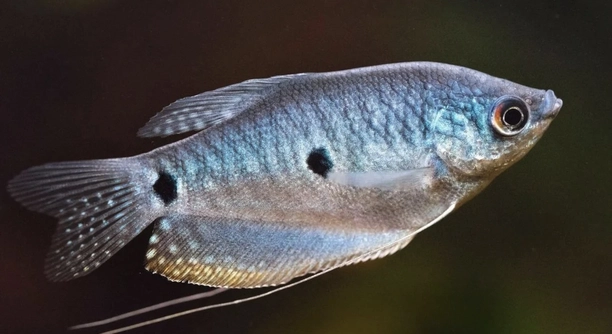
Gourami fish are popular in many home aquariums, known for their vibrant colors and peaceful nature. However, some owners face issues when these fish start bullying others in the tank, affecting the overall harmony.
To stop your gourami from bullying other fish, it’s important to ensure a well-structured environment with enough space, hiding spots, and careful selection of tankmates. Proper diet and monitoring can also help reduce aggression.
A peaceful aquarium can be maintained with simple steps that promote cooperation among your fish. This guide will help you address these issues and create a balanced habitat.
Understanding Gourami Behavior
Gouramis are typically calm and peaceful fish, but sometimes their behavior can change, leading to aggression in the tank. The reasons for this can vary from territorial instincts to stress or inadequate living conditions. Male gouramis, in particular, are more likely to exhibit aggressive behavior toward each other. This often happens when there isn’t enough space or if there are too many males. Their natural instinct is to protect their territory, and without enough room or hiding spots, they may pick on other fish. Stress from poor water quality or overcrowding can also play a significant role in triggering aggressive actions.
Keeping gouramis in a tank with the right conditions is key to minimizing bullying behavior. Ensuring that your aquarium has adequate space, hiding spots, and proper water conditions is essential for reducing stress. A peaceful environment encourages healthy interactions, and the right balance will help your gourami feel more secure. This can lead to a less aggressive and more harmonious tank.
A peaceful tank helps keep the fish safe and healthy. By following the right guidelines, you can avoid the frustration of dealing with aggressive gouramis.
Creating a Balanced Environment
Creating a balanced environment in your tank is crucial for all the fish living in it. Gouramis thrive in tanks with plants, rocks, or other decorations where they can hide and establish territories. This not only reduces stress but also prevents your gourami from focusing all its energy on bullying other fish. Having several hiding spots gives each fish a chance to retreat if they feel threatened, allowing the gourami to focus on its own space rather than picking on others. It’s important to place decorations that don’t overcrowd the tank but still provide sufficient hiding spots.
The water conditions play a large role in your gourami’s behavior. Regularly monitoring water temperature, pH levels, and cleanliness is essential. Gouramis prefer warm water with a temperature range between 75-82°F and a neutral pH. Unstable water conditions can cause stress, leading to increased aggression. A quality filtration system is also crucial to maintain water quality and prevent harmful waste buildup. Keeping the tank environment stable ensures your fish are healthy and less likely to engage in bullying behavior.
When the environment is set up properly, your gourami can focus on being a peaceful part of the community.
Choosing Tankmates Wisely
Choosing the right tankmates for your gourami is crucial to prevent bullying. Gouramis tend to be peaceful, but they may become territorial, especially if they feel their space is threatened. Fish that are too aggressive or have similar behaviors might clash with the gourami, causing stress and aggression. It’s best to choose peaceful, non-territorial fish as tankmates. Avoid adding fish that are overly active or competitive.
Ideal tankmates include peaceful species like tetras, rasboras, and corydoras catfish. These fish are small, non-aggressive, and generally won’t disturb your gourami. Avoid adding multiple males of similar species, as they can become territorial and engage in aggression. Keep in mind the size of the fish too; larger fish can intimidate smaller ones, and this can lead to stress or bullying. When introducing new fish, do so gradually to allow everyone to adjust.
Consider the temperament of all fish in the tank to promote harmony. A careful selection of tankmates will help your gourami feel secure and avoid unnecessary conflicts. Ensure your fish are compatible and have enough space to thrive together.
Offering a Proper Diet
A proper diet helps keep your gourami healthy and less prone to aggression. A balanced diet filled with high-quality fish food, including pellets, flakes, and live or frozen food, supports their overall well-being. Lack of nutrition can lead to stress, making the fish more susceptible to bullying behaviors. Overfeeding or poor food choices can also cause digestive issues, leading to further stress.
Gouramis are omnivores, so offering a varied diet is essential for them to stay healthy. Consider providing a combination of vegetable-based foods, like algae wafers, and protein-rich foods such as brine shrimp or bloodworms. This ensures your gourami receives the right nutrients for optimal health. A properly nourished fish is less likely to exhibit aggressive behavior, as it is not stressed or weak from malnutrition.
Avoid overfeeding your gourami, as excess food can lead to water quality issues. Monitor the quantity of food you provide to maintain water cleanliness and prevent the build-up of harmful substances that could increase stress levels.
Maintaining Tank Size and Space
Tank size plays a big role in your gourami’s behavior. If the tank is too small, the fish will feel cramped and more likely to act aggressively. Providing ample space allows your gourami to claim its own territory and avoid conflicts with other fish. Larger tanks encourage better behavior overall.
A minimum of 20 gallons is recommended for keeping a single gourami. If you plan to keep multiple fish, ensure the tank size increases accordingly to avoid overcrowding. Space helps each fish feel safe, reducing stress and aggressive tendencies. The more room they have, the less likely they will feel the need to fight for space.
Temperature and Water Quality Control
Consistent water temperature is crucial to prevent stress-induced aggression in gouramis. They thrive in warm water, ideally between 75°F and 82°F. Sudden temperature fluctuations can make them anxious, leading to behavioral changes like bullying. Make sure your aquarium heater works properly to maintain a steady temperature.
In addition to temperature, proper filtration and regular water changes help keep the environment stable. Dirty or stagnant water can stress your gourami and make it more aggressive. Make it a habit to check water parameters regularly to ensure everything is in balance. Clean water and consistent temperature will keep your fish calm.
Observation and Intervention
Sometimes, even with the best setup, gouramis can still become bullies. In such cases, observation is key. Watch for signs of aggression, such as chasing or fin nipping. If bullying occurs, consider temporarily separating the aggressive fish to cool down. Often, a short break from other fish can reduce tension.
Intervening early can prevent serious harm to other fish. Try rearranging the tank’s decor or adding new hiding spots to break up territorial boundaries. A peaceful tank depends on constant attention to the behavior of each fish. The sooner you spot the issue, the easier it is to fix.
FAQ
Why is my gourami being aggressive?
Gouramis can become aggressive for several reasons, including territorial behavior, stress, or overcrowding. If there are too many fish in the tank, or if the tank is too small, the gourami may feel threatened and act out. Stress caused by poor water quality, sudden changes in temperature, or incompatible tankmates can also lead to aggression. Males, in particular, can be more territorial and may fight over space. Identifying the cause of the aggression is the first step in resolving the issue.
Can female gouramis be aggressive too?
Female gouramis are generally less aggressive than males, but they can still display territorial behavior, especially during breeding. If there is a lack of space or hiding spots in the tank, even females can become stressed and act out. It’s also important to note that some species of gouramis are naturally more aggressive than others. Keeping an eye on their behavior and providing a well-planned tank environment is essential to prevent any aggression, whether from males or females.
How can I stop my gourami from bullying other fish?
To stop your gourami from bullying other fish, focus on creating a balanced tank environment. Ensure there is enough space for each fish to establish its own territory. Adding plenty of plants, rocks, or decorations can help create hiding spots where smaller fish can retreat if needed. Also, make sure your tank has compatible fish species. Peaceful, non-territorial fish like tetras or rasboras are good tankmates. Providing proper nutrition and maintaining water quality are also crucial in reducing aggression. Sometimes, separating the aggressive fish temporarily can help ease tension.
Do gouramis need a lot of space?
Yes, gouramis need adequate space to thrive. Overcrowding can increase stress and lead to aggressive behavior. A tank size of at least 20 gallons is recommended for a single gourami. If you plan to keep multiple gouramis or other fish, increase the tank size accordingly to prevent territorial disputes. Giving each fish enough room helps keep the aquarium environment peaceful and minimizes the chances of bullying.
How many gouramis can be kept in one tank?
The number of gouramis you can keep in one tank depends on the tank size and the species of gourami. As a general rule, you can keep one male gourami in a 20-gallon tank to avoid territorial issues. If you want to add more gouramis, be sure to increase the tank size. In larger tanks, you can add multiple females, but avoid keeping more than one male per tank unless the tank is very large. Always keep in mind that overstocking can cause stress and result in aggression.
Can I keep different types of gouramis together?
It is possible to keep different types of gouramis together, but it depends on the species. Some gouramis, like dwarf gouramis and pearl gouramis, can coexist peacefully if there is enough space and hiding spots. However, keeping multiple males of the same species together is not recommended, as they can become aggressive toward one another. If you are planning to mix different types of gouramis, make sure they have compatible temperaments and that the tank is large enough to accommodate them.
How do I introduce new fish to my gourami tank?
When introducing new fish to your gourami tank, it’s essential to do so gradually. Start by quarantining the new fish in a separate tank for a week or two to ensure they are healthy and free of diseases. Once they are ready, introduce them to the main tank during the evening when the gouramis are less active. Make sure to rearrange the tank’s decorations before adding new fish, which can help break up territorial boundaries and reduce aggression. Always monitor interactions closely to ensure the new fish are not being bullied.
What are the signs of stress in a gourami?
Stress in gouramis can manifest in several ways. You may notice that your gourami is hiding more than usual, displaying erratic swimming patterns, or having difficulty breathing. Stress can also cause a loss of appetite, faded colors, or fin clamping (where the fins are held close to the body). Stress can be caused by poor water quality, overcrowding, aggressive tankmates, or changes in temperature. If you notice any signs of stress, it’s important to address the root cause immediately to prevent further health issues.
How do I prevent my gourami from getting sick?
To prevent your gourami from getting sick, focus on maintaining a clean and stable environment. Regular water changes and proper filtration are essential to keep water quality in check. Monitor water temperature and pH levels to make sure they are within the optimal range for gouramis. Avoid overfeeding, as leftover food can degrade water quality. Make sure your gourami is eating a balanced diet, as poor nutrition can weaken its immune system. Finally, quarantine new fish before introducing them to prevent the spread of diseases.
Can I keep gouramis with shrimp or snails?
Yes, gouramis can generally coexist with shrimp and snails, as long as the shrimp species are not too small or fragile. However, be cautious with smaller shrimp species, as gouramis may try to eat them. Snails are often safe tankmates for gouramis, but larger snails may become targets if the gouramis are particularly aggressive. It’s important to monitor interactions between your gourami and these smaller creatures to ensure that no harm is done. If you’re unsure, consider adding more hiding spots and decorations to provide the shrimp and snails with safe spaces.
How often should I feed my gourami?
Feed your gourami once or twice a day, offering only as much food as it can consume in a few minutes. Overfeeding can lead to poor water quality and increased stress. A varied diet of pellets, flakes, and live or frozen food is ideal for a gourami’s health. Ensure the food you provide is high-quality and appropriate for the species. It’s better to underfeed slightly than overfeed, as excess food can rot in the tank and harm the water conditions. Always remove any uneaten food to keep the water clean.
Final Thoughts
Gouramis are beautiful and peaceful fish that can thrive in a well-maintained aquarium. However, like all fish, they may exhibit aggression under certain conditions. Understanding the root causes of their behavior, such as territorial instincts, overcrowding, or stress, is crucial for preventing bullying. By providing them with enough space, hiding spots, and compatible tankmates, you can create a more peaceful environment. Regularly monitoring water quality, temperature, and feeding habits will also help keep your gourami happy and healthy.
If your gourami continues to bully other fish, it’s important to observe its behavior carefully. Sometimes simple interventions, like rearranging decorations or adding more hiding spots, can break up territorial boundaries and reduce aggression. In some cases, separating the aggressive fish for a short time may allow tensions to calm. Being proactive in managing your aquarium environment will help prevent issues before they escalate. A peaceful tank relies on understanding the individual needs of each fish and providing a balanced ecosystem.
Ultimately, the goal is to maintain harmony in your aquarium while ensuring the well-being of all its inhabitants. Keeping your gourami healthy and stress-free will not only prevent bullying but also create a more enjoyable and visually pleasing tank. With the right approach, your gourami can live alongside other fish without issues, contributing to a serene aquatic environment for everyone. It’s all about the balance of space, care, and attention to detail.

Hello,
If you enjoy the content that we create, please consider saying a "Thank You!" by leaving a tip.
Every little bit helps us continue crafting quality advice that supports the health, happiness, and well-being of pets around the world, for pets of all shapes, sizes, and species.
We really appreciate the kindness and support that you show us!