
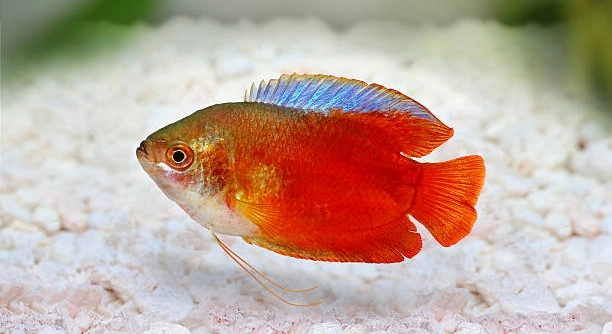
Gourami fish are known for their peaceful nature, but even they can get stressed in the wrong tank conditions. Stress can negatively impact their health and well-being, leading to a less enjoyable aquarium experience.
Reducing stress in a gourami tank requires a combination of proper water conditions, a suitable tank setup, and a peaceful environment. Focus on maintaining stable water temperature, quality, and avoiding overcrowding to ensure the fish thrive.
Taking the time to adjust your tank setup will lead to a healthier and more content gourami, improving the overall aquarium environment.
Proper Water Temperature and Quality
Maintaining the right water temperature and quality is essential to reducing stress in your gourami tank. These fish prefer water temperatures between 75°F and 82°F. Any drastic change in temperature can cause stress. Similarly, water quality plays a major role in their health. Ammonia and nitrite levels should be kept at zero, and nitrate levels should not exceed 20 ppm. Regular water changes help maintain this balance, and a reliable filtration system is necessary to ensure the water remains clean.
Even small fluctuations in water parameters can create stress, making it important to monitor temperature and water quality frequently. Keeping your gourami in stable conditions will help reduce stress-related health issues.
Test your water regularly and adjust your filtration system accordingly. Small changes in routine can go a long way in keeping your fish happy. If you notice water quality problems, take action right away to avoid further complications.
Avoiding Overcrowding
Overcrowding can stress gourami fish, reducing their ability to swim freely and find their space.
A tank with too many fish creates competition for space, food, and oxygen. This stress can lead to illness and even death. Ensure that your tank provides enough room for each fish to move comfortably.
When choosing tankmates, ensure they are compatible and won’t cause aggression. Gouramis are peaceful fish, but overcrowding or tankmates that stress them out can negatively affect their behavior and health. This is crucial for a peaceful and thriving aquarium environment.
Suitable Tank Setup
A suitable tank setup can significantly reduce stress for gouramis. Proper decoration and hiding spots make the tank feel more natural and secure.
Provide plants, rocks, and driftwood to give your fish places to hide and explore. Avoid sharp objects that could cause injury. Gouramis are peaceful fish, so a calm, well-planted environment works best for them. The right setup mimics their natural habitat and offers a sense of security.
The water flow in the tank should be gentle. Gouramis do not like strong currents, so using a filter with adjustable flow is ideal. Position decorations and plants in a way that doesn’t block the fish’s swimming space, allowing them to move freely and comfortably.
Peaceful Tankmates
Choosing peaceful tankmates is vital to prevent unnecessary stress in your gourami’s environment. Aggressive fish can cause tension.
Pick fish that won’t disrupt the calm nature of the gourami. Fish such as tetras, corydoras, and rasboras work well as companions. Avoid placing aggressive species like bettas or fin-nipping fish in the same tank.
A peaceful community tank promotes healthier and happier fish. Be sure to research potential tankmates and consider their temperament before introducing them. This thoughtful selection ensures that your gouramis aren’t exposed to unnecessary stress from aggressive or territorial fish.
Regular Water Changes
Consistent water changes are key to maintaining healthy tank conditions and reducing stress.
Changing 10-20% of the water weekly helps keep ammonia and nitrate levels in check. This ensures your gouramis have a clean environment to thrive. Regular water changes also prevent the buildup of harmful toxins that can cause stress.
A reliable water testing kit will help you monitor the water quality. Be sure to match the temperature of the new water to the tank’s temperature to avoid shocking your fish.
Proper Lighting
Proper lighting is essential to your gourami’s well-being.
Too much light can increase stress, while too little can disrupt their natural behavior. Gouramis prefer dim lighting similar to their natural habitat. Providing a light cycle of 10-12 hours a day helps regulate their day-night pattern, promoting a balanced environment.
FAQ
How can I tell if my gourami is stressed?
Signs of stress in gouramis include erratic swimming, hiding, loss of appetite, and color fading. If your gourami starts acting out of the ordinary, it’s a sign that something might be wrong in the tank. Stress can also cause them to breathe heavily or appear sluggish.
Can gouramis live with other species?
Yes, gouramis can live with other species, but it’s important to choose peaceful tankmates. Tetras, corydoras, and small peaceful fish are good companions. Avoid aggressive fish, like bettas or larger carnivores, as they may stress or harm your gourami.
What is the ideal water temperature for gouramis?
Gouramis thrive in water temperatures between 75°F and 82°F. Keeping the water within this range helps maintain their health and reduces stress. Temperature fluctuations can affect their immune system and lead to illness. Use a heater to maintain a consistent temperature.
How do I know if the water quality is affecting my gourami?
If your gourami is showing signs of stress, such as lethargy or faded colors, it could be due to poor water quality. Test the water regularly for ammonia, nitrites, and nitrates. High levels of any of these can stress your fish and affect their health.
Is it okay to have a filter in a gourami tank?
Yes, but make sure the filter’s flow isn’t too strong. Gouramis prefer calm waters, so a filter with adjustable flow is ideal. Strong currents can stress them out, causing them to struggle swimming or hide more frequently.
How often should I change the water in my gourami tank?
Regular water changes are essential. Change 10-20% of the water weekly to maintain water quality and remove toxins. Be sure to match the new water temperature with the tank’s to avoid shocking the fish. Regular changes help keep stress levels low.
What do gouramis eat?
Gouramis are omnivores and will eat a variety of foods, including flakes, pellets, and live or frozen food like brine shrimp and daphnia. A balanced diet is key to their health, so provide a mix of protein and vegetable-based foods to keep them strong.
Can gouramis tolerate low light conditions?
Yes, gouramis do well in low to moderate lighting. In fact, they thrive in dimmer environments, which mimic their natural habitat. Bright lights can stress them, so it’s best to keep the lighting soft. Use a timer to maintain a consistent light cycle.
How do I prevent my gourami from becoming too territorial?
Gouramis are generally peaceful, but some may become territorial, especially in smaller tanks or when competing for space. Providing plenty of hiding spots, plants, and decorations can help reduce territorial behavior. Avoid overcrowding to ensure each fish has its space.
What tank size is best for gouramis?
A minimum tank size of 20 gallons is recommended for one gourami. Larger tanks are better, especially if you plan to keep multiple gouramis or other species. A bigger tank provides more space for swimming, reduces stress, and maintains a more stable environment.
Do gouramis need a specific pH level?
Gouramis prefer a pH level between 6.0 and 7.5, which is slightly acidic to neutral. Keeping the pH within this range helps maintain their health and reduces stress. Test the water regularly to ensure the pH stays consistent and adjust as needed.
How can I reduce aggression in gouramis?
To reduce aggression, ensure your gouramis have enough space to establish territories. Providing plenty of hiding spots and plants can help. Avoid keeping aggressive fish with gouramis and ensure the tank isn’t overcrowded. If aggression persists, consider separating the aggressive individuals.
Can gouramis live in a community tank?
Yes, gouramis can live peacefully in a community tank if the other fish are compatible. Choose peaceful tankmates like small tetras, rasboras, or other non-aggressive species. Make sure there is enough space for everyone, and avoid overcrowding to prevent stress.
Do gouramis get stressed by changes in the tank?
Yes, sudden changes in the tank, such as a water temperature shift, a new tankmate, or a tank move, can stress gouramis. Try to make changes gradually to minimize stress. If you need to make a significant change, acclimate your fish slowly to avoid shocking them.
How can I tell if my gourami is happy?
A happy gourami is usually active, eats well, and displays vibrant colors. They will swim around the tank without signs of stress, such as erratic movements or hiding. A healthy gourami will interact calmly with other fish and show no signs of aggression.
Final Thoughts
Reducing stress in your gourami tank is essential for maintaining the health and well-being of your fish. By ensuring a peaceful environment, proper tank setup, and regular water maintenance, you provide the foundation for a low-stress habitat. Proper lighting, gentle water flow, and suitable tankmates are just a few of the key factors to consider. It’s important to observe your gourami regularly to notice any changes in behavior, as this can help you address potential issues early on.
Gouramis thrive in stable environments where their basic needs are met, such as appropriate water conditions, temperature, and food. Overcrowding the tank or introducing incompatible fish can lead to stress, which can affect their health. Regular water changes are crucial, as poor water quality is one of the most common causes of stress for aquatic life. Keeping your tank clean and well-maintained allows your gouramis to live in an environment that closely resembles their natural habitat.
In conclusion, maintaining a healthy tank for your gouramis requires attention to detail and an understanding of their natural behaviors. Creating an environment where they feel safe and comfortable will result in happier and healthier fish. Pay attention to signs of stress, and take immediate action when necessary. By following simple steps to reduce stress, you can enjoy the beauty of your gouramis in a thriving and balanced tank for years to come.

Hello,
If you enjoy the content that we create, please consider saying a "Thank You!" by leaving a tip.
Every little bit helps us continue crafting quality advice that supports the health, happiness, and well-being of pets around the world, for pets of all shapes, sizes, and species.
We really appreciate the kindness and support that you show us!