
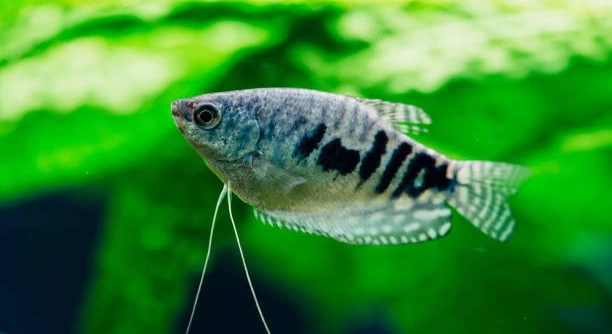
Do you ever find yourself drawn to the calm nature of gouramis but only have space for one in your tank?
Keeping a single gourami is possible, but it depends on the species and environment. Some gouramis thrive alone, while others may become stressed without companionship or enrichment. Understanding their needs is essential for long-term health and behavior.
Gouramis can be low-maintenance and peaceful, but knowing how they respond to solitude helps prevent stress-related issues and behavioral problems.
Pros of Keeping a Single Gourami
Keeping just one gourami can make tank care easier. Without tankmates, there’s less risk of territorial fights, especially with more aggressive types like dwarf or three-spot gouramis. This setup is ideal if you’re limited on space or new to fishkeeping. A single gourami can thrive in a well-maintained tank with consistent water parameters, good filtration, and regular feeding. Their personalities often shine more when they’re not competing with others, and some become more interactive with people outside the tank. Species like the honey gourami tend to do especially well on their own if the tank offers enough enrichment like plants or hiding spaces.
This setup can also reduce stress from overstocking or incompatible tankmates. Less waste means easier water changes and fewer problems.
A solo gourami can still remain active and healthy if the environment is engaging. Floating plants, soft lighting, and gentle water flow can help create a secure and comfortable space.
Cons of Keeping a Single Gourami
Some gouramis prefer having tankmates and may show signs of stress if kept alone.
In certain cases, social gouramis like pearl gouramis may become less active or show dull colors without interaction. While they don’t always need to be kept in groups, some individuals do better when they share a tank with peaceful species. A lack of stimulation might lead to boredom, and this can result in pacing or hiding. It’s important to observe their behavior closely during the first few weeks. If your gourami appears restless or withdrawn, you may need to adjust the tank setup by adding visual barriers or even reassessing if keeping just one is the best option. Providing a stimulating environment can make a big difference. Use live plants, floating decorations, and gentle current to keep them engaged. Not every gourami enjoys solitude, and it’s important to choose a species known for adapting well to life alone.
Things to Consider Before Keeping One Gourami
Not all gourami species do well alone. Some are more social and may feel stressed without other peaceful fish nearby. Tank size, setup, and species type should all be factored in before deciding to keep just one.
A single gourami needs an enriched tank to stay stimulated. Use live or silk plants, driftwood, and hiding spots to reduce stress and keep them active. Avoid placing your gourami in a tank with strong water flow or bright lights. Stick to a calm and stable environment with consistent water temperature and gentle filtration. Some gouramis, like honey and sparkling gouramis, handle solitude better than others. Dwarf or pearl gouramis may need more space or tankmates to stay healthy. Observe their activity and eating habits closely in the first few weeks. If you notice unusual behavior, small changes to the setup can improve their comfort.
Diet also plays a key role. Feed your gourami a varied mix of high-quality flakes, pellets, and occasional frozen or live food. This helps them stay healthy and maintain bright coloring. A balanced routine and gentle care can keep a solo gourami active and alert. If possible, avoid sudden changes in tank layout or feeding times. Consistency will keep stress levels low.
Best Species to Keep Alone
Honey gouramis are one of the best options for solo tanks. They are calm, adapt well, and are less territorial than others. With the right tank setup, they remain active and peaceful even when housed alone.
Sparkling gouramis are another good choice for single-species tanks. Their small size and quiet nature make them easy to manage, especially in smaller tanks with gentle water flow. They are often curious and interactive, even without tankmates. However, they still need visual enrichment and hiding spaces to feel secure. Dwarf gouramis can sometimes work alone, but their temperament varies. Some may become bored or agitated without other fish nearby. For beginners, sticking to honey or sparkling gouramis is safer. Avoid more aggressive types like three-spot gouramis if you plan to keep just one. Focus on providing a calm environment, consistent care, and enough tank decor to keep them engaged and stress-free.
How to Keep a Single Gourami Happy
Provide plenty of visual enrichment using plants, caves, and floating decorations. This helps reduce stress and keeps your gourami mentally active. A quiet tank setup supports their natural behavior and prevents overstimulation.
Stick to a regular feeding schedule and use a varied diet. Include quality pellets, flakes, and occasional live or frozen treats.
Signs Your Gourami May Be Lonely
Watch for signs like pacing, hiding, or refusal to eat. These may suggest your gourami is bored or stressed. If behavior changes persist, reassess the tank layout or consider calm tankmates. Environmental changes often help improve their mood and activity levels.
Final Thoughts
Choosing to keep one gourami can work well with the right tank setup, consistent care, and a peaceful environment tailored to their needs.
FAQ
Can a gourami live alone in a tank?
Yes, many species of gourami can live alone in a tank, especially if the setup is appropriate. Gouramis such as honey and sparkling gouramis are often comfortable living solo. However, some species may require more social interaction to remain happy. Providing enough visual stimulation and hiding spaces is key to keeping a solo gourami healthy and active.
What size tank is best for a single gourami?
A minimum of 10 gallons is recommended for a single gourami. Smaller tanks can work, but larger tanks provide more space for swimming and enrichment. A 20-gallon tank gives your gourami plenty of room to move and helps maintain water quality. Larger tanks also allow for better decoration options and easier maintenance.
Do gouramis need a heater?
Yes, gouramis are tropical fish and prefer warmer water. A consistent water temperature between 75°F and 80°F (24°C to 27°C) is ideal for most gourami species. A reliable aquarium heater helps maintain a stable temperature. Avoid drastic changes in temperature, as it can cause stress and health issues.
How often should I feed a single gourami?
Feed your gourami 1-2 times a day, offering only what they can consume in a few minutes. Overfeeding can lead to poor water quality, so it’s important to not give too much food at once. A varied diet, including pellets, flakes, and occasional live or frozen food, will keep your gourami healthy.
What do gouramis eat in the wild?
In the wild, gouramis are omnivores. They feed on a variety of foods, including insects, small crustaceans, algae, and plant matter. In your aquarium, it’s essential to provide a balanced diet that mimics this variety. High-quality pellets, flakes, and live or frozen food like brine shrimp, daphnia, and bloodworms are great choices.
How do I know if my gourami is stressed?
Signs of stress in gouramis include hiding, lethargy, loss of appetite, and unusual swimming behavior. If your gourami is staying near the bottom or constantly near the surface gasping for air, it may be stressed due to poor water conditions, inappropriate tank mates, or improper tank setup.
Can I add other fish with my gourami?
Yes, gouramis can coexist with other peaceful species. Avoid aggressive fish or those that may harass your gourami. Fish like tetras, peaceful barbs, or other calm community fish work well. Ensure your tank is large enough to accommodate multiple species, and monitor their behavior to ensure no stress or aggression occurs.
How long do gouramis live?
On average, gouramis live between 4 to 6 years, but some species can live longer with proper care. Maintaining stable water conditions, a balanced diet, and minimal stress will help your gourami live a longer and healthier life. Regular water changes and a clean tank environment are essential for their well-being.
Can I keep a male and female gourami together?
Yes, you can keep a male and female gourami together, but be cautious. During breeding seasons, males can become territorial and aggressive towards females. It’s important to provide plenty of hiding spots and space in the tank to reduce conflict. If breeding isn’t desired, keeping only one male or one female can avoid territorial issues.
Are gouramis compatible with shrimp?
Gouramis can live with shrimp, but it depends on the species. Some gouramis, especially larger or more aggressive ones, may view shrimp as a meal. Smaller species like honey or sparkling gouramis are more likely to coexist peacefully with shrimp. Always monitor the interactions, and ensure your shrimp have plenty of hiding spots to avoid being eaten.
How do I make my gourami feel more comfortable?
To make your gourami feel more comfortable, provide plenty of hiding spots with plants, caves, and decorations. Use soft, gentle filtration and avoid placing your tank in a high-traffic area. Keep the lighting low to moderate, as bright lights can cause stress. A stable water temperature and quality are also crucial for your gourami’s well-being.
Do gouramis need a filter?
Yes, gouramis need a filter to maintain clean water and promote good water circulation. However, make sure the filter has a gentle flow. Gouramis prefer calm water, and strong currents can stress them out. A sponge filter or low-flow filter is often ideal for these peaceful fish.
How do I breed gouramis?
Breeding gouramis requires a separate breeding tank with calm water, plants for hiding, and appropriate water temperature. Males often build bubble nests to attract females. After spawning, the male guards the nest until the eggs hatch. If breeding is not desired, it’s better to keep males and females separate to avoid aggression.
Can I keep a gourami with other types of gouramis?
Yes, many types of gouramis can live together, especially if the tank is large enough. However, keep an eye on their behavior, as some species can be territorial, especially males. Choosing non-aggressive species like honey gouramis or sparkling gouramis will help ensure peaceful cohabitation.
Why is my gourami swimming at the surface?
Gouramis are known for occasionally swimming at the surface of the tank. This can be normal, as they breathe air from the surface. However, if this behavior is excessive, it could indicate low oxygen levels in the water. Ensure proper aeration and check water parameters to avoid potential health issues.
Final Thoughts
Gouramis are peaceful and adaptable fish that can thrive alone, as long as their needs are met. They enjoy having a quiet environment, with plenty of space to swim and explore. A tank with plants, caves, and decorations offers visual stimulation, helping them feel comfortable and secure. While they can live on their own, it’s important to provide consistent care, such as a proper diet and clean water. Regular water changes and monitoring the tank’s temperature are essential to ensure they stay healthy.
If you’re considering keeping a single gourami, ensure that the tank is large enough to accommodate them comfortably. A minimum of 10 gallons is recommended, but larger tanks are better for providing more space and maintaining water quality. Gouramis appreciate gentle filtration and calm water flow, so avoid powerful filters or strong currents. By creating a peaceful environment and avoiding aggressive tankmates, you can help your gourami thrive.
While a single gourami can live happily on its own, understanding their needs is key to providing the best care. With the right tank setup, diet, and attention to water quality, your gourami can live a long, healthy life. It’s important to remember that every fish is different, and some may require more attention or space than others. Take the time to observe your gourami’s behavior and make adjustments as needed. If you follow these guidelines, you will likely find that keeping a single gourami can be a rewarding experience.

Hello,
If you enjoy the content that we create, please consider saying a "Thank You!" by leaving a tip.
Every little bit helps us continue crafting quality advice that supports the health, happiness, and well-being of pets around the world, for pets of all shapes, sizes, and species.
We really appreciate the kindness and support that you show us!