
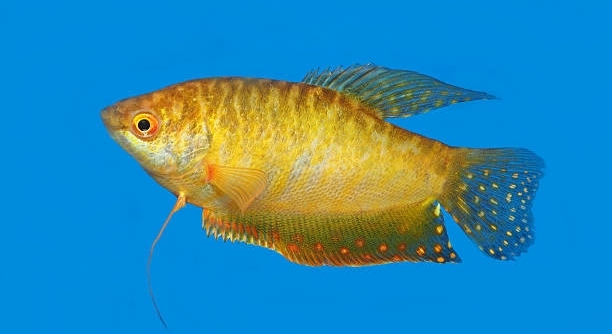
Gouramis are popular freshwater fish that many aquarium owners enjoy keeping. If you’ve noticed your gourami spending more time at the water’s surface, you may be wondering what’s causing this behavior.
The primary reason a gourami breathes at the surface is due to insufficient oxygen levels in the water, which forces them to breathe from the air. This can also occur if the water temperature is too high or there is poor water circulation.
Understanding why this happens is key to improving the health of your fish. By making small changes, you can create a more comfortable environment for your gourami and prevent this issue from continuing.
Why Is Oxygen Important for Your Gourami?
Oxygen is crucial for all aquatic life, including your gourami. If the oxygen levels in the water are low, your fish will naturally rise to the surface to get air. Gouramis, like many fish, rely on gills to absorb oxygen from the water. When the water becomes stagnant or warm, it holds less oxygen, which forces your fish to the surface to breathe. This behavior can also be seen if the tank has too many fish, overcrowding the space and reducing the available oxygen. It’s important to check water parameters regularly to ensure a healthy environment for your gourami.
A simple solution is to add a filter or air pump to help oxygenate the water. Regular water changes and proper filtration can improve the overall water quality, allowing your gourami to stay healthy and active.
It’s also essential to monitor the water temperature. Warm water holds less oxygen than cooler water, so adjusting the heater settings to maintain a balanced temperature can significantly improve your gourami’s comfort. Additionally, providing plants in the tank can help increase oxygen levels naturally.
The Role of Temperature and Water Quality
Water temperature plays a major role in the oxygen levels of your aquarium. If the water is too warm, your gourami may feel stressed and search for air at the surface.
Keeping the water temperature between 72°F and 80°F is ideal for most freshwater fish, including gouramis. Beyond this range, oxygen levels drop, which forces the fish to breathe more heavily at the surface. High temperatures can also increase the metabolic rate of your fish, leading to further stress. To help with this, try adjusting the temperature and monitoring it regularly to maintain consistency.
The quality of the water is just as important. If the water is murky, has high levels of ammonia, or contains other harmful chemicals, your gourami may have trouble breathing. It’s best to test your water often for ammonia, nitrites, and nitrates to avoid long-term issues. Keeping the water clean and well-filtered will ensure your gourami can breathe without having to struggle at the surface.
Overcrowding and Its Effects on Your Gourami
Overcrowding in your aquarium can quickly lead to poor oxygen levels. If there are too many fish in the tank, there simply isn’t enough oxygen for each one. This can force your gourami to the surface more often in search of air.
To avoid overcrowding, it’s important to research how many fish your tank can comfortably support. A general rule is to allow one inch of fish per gallon of water. If you find that your tank is overstocked, consider relocating some fish to another tank or upgrading to a larger aquarium.
Overcrowding also leads to an increase in waste, which can further reduce water quality. When fish produce more waste than the filtration system can handle, ammonia and other harmful substances build up, causing stress for your gourami. Regular water changes and proper filtration can help to maintain a clean environment, but reducing the fish population is key to ensuring your gourami isn’t suffocating due to lack of space and oxygen.
How to Improve Your Tank’s Oxygen Levels
Improving oxygen levels in your tank can be done in a few ways. Adding an air pump or air stone is an easy way to increase surface agitation, allowing for better gas exchange.
In addition to air pumps, consider adding live plants to your aquarium. Plants naturally release oxygen during photosynthesis, which helps your fish breathe more easily. Just make sure that your plants are receiving proper light to thrive. This method will not only improve oxygen levels but also provide a more natural environment for your gourami.
Another method to boost oxygen is to check your water circulation. A good filtration system can help create gentle currents in the tank, which promotes oxygen exchange at the water’s surface. By adjusting your filter’s flow rate or adding a powerhead, you can ensure there is constant water movement, providing your gourami with the air it needs.
Poor Filtration Systems
A weak or malfunctioning filter can fail to circulate water properly, leading to low oxygen levels. Without adequate filtration, your gourami may need to breathe at the surface more frequently.
Ensure your filter is appropriate for your tank size and in good working condition. A filter that’s too small or clogged won’t circulate water efficiently. Consider upgrading your filter if you notice your fish spending more time at the surface.
Regularly clean the filter to prevent debris from blocking the flow of water. Keeping your filter in peak condition is essential for maintaining proper water quality and oxygen levels in your aquarium.
Tank Design and Surface Agitation
Tank design plays a significant role in oxygen exchange. A lack of surface agitation limits the oxygenation process, causing fish to struggle for air.
Adding a filter that creates surface movement or an air stone can help. Even small changes like positioning your filter in a way that encourages water movement can improve the overall oxygen levels.
FAQ
Why is my gourami breathing at the surface?
Gouramis may breathe at the surface due to low oxygen levels in the water. This can happen if the tank is overcrowded, if the water temperature is too high, or if there’s poor water circulation. In some cases, a weak filtration system can also contribute to reduced oxygen levels, making the gourami struggle for air at the surface. It’s important to regularly check the water’s oxygen levels and make sure your tank is properly filtered and not overcrowded.
How can I increase oxygen levels for my gourami?
To improve oxygen levels, you can add an air pump or air stone to your tank. These devices help agitate the surface, promoting better oxygen exchange. Additionally, ensure that your filter is working well and creating gentle currents. Adding live plants can also help, as they release oxygen during the day through photosynthesis. Be sure to monitor your water temperature, as warmer water holds less oxygen. Regular water changes will also improve water quality and help your gourami breathe more easily.
What is the ideal water temperature for my gourami?
The ideal water temperature for most gouramis is between 72°F and 80°F (22°C – 27°C). Temperatures above this range can cause oxygen levels to drop, which forces your gourami to breathe at the surface. Keeping the water in this range will help maintain healthy oxygen levels and ensure your fish remains comfortable. If the water is too warm, consider lowering the temperature or using a fan to cool it down. Always check the temperature with a reliable thermometer to ensure it stays within the correct range.
Can my gourami survive with other fish?
Yes, gouramis can generally live with other peaceful fish. However, it’s important to ensure the tank isn’t overcrowded. Too many fish in a small space will deplete oxygen levels and cause stress for all of them. Make sure that your tank has enough space for each fish to thrive, and monitor the water parameters regularly. Some species of gouramis can be territorial, so be mindful of the other fish you choose to keep with them. It’s always a good idea to do some research on compatible species before adding new fish.
Should I adjust the water flow in my tank?
Adjusting the water flow can help with oxygen levels. A filter that creates gentle currents will promote better oxygen exchange, which is especially important if your tank is large or has a lot of fish. If your tank is too still, your gourami may be forced to breathe at the surface. On the other hand, very strong water flow might stress out the fish, especially species like gouramis that prefer calm waters. Aim for a gentle current that promotes oxygen exchange without disturbing your fish too much.
How often should I change the water in my tank?
Water changes are essential to maintain a healthy environment for your gourami. It’s recommended to change about 10-20% of the water every 1-2 weeks, depending on the size of your tank and the number of fish. If the tank is overstocked, you might need to change the water more frequently. Regular water changes help prevent the buildup of harmful substances like ammonia and nitrate, ensuring your gourami has access to clean water and adequate oxygen. Be sure to dechlorinate any tap water before adding it to the tank.
Can overfeeding affect my gourami’s breathing?
Yes, overfeeding can lead to water quality issues, which in turn can affect your gourami’s breathing. When excess food decomposes, it increases the levels of ammonia and nitrates in the water, lowering the oxygen available to your fish. Make sure to feed your gourami the appropriate amount of food and remove any uneaten food after feeding. Overfeeding also leads to excess waste, which can further deteriorate the water quality. A good rule of thumb is to feed your gourami only what it can eat in a few minutes.
What signs indicate my gourami is stressed?
If your gourami is stressed, you may notice it spending a lot of time at the surface, breathing heavily or gasping for air. It may also appear lethargic, with reduced swimming activity. Stress can be caused by poor water quality, overcrowding, or incompatible tank mates. Other signs of stress include faded colors, erratic swimming, and hiding in corners of the tank. If you notice these symptoms, it’s important to address the water conditions and check for any other issues that might be affecting your fish’s health.
Can poor water quality cause my gourami to breathe at the surface?
Yes, poor water quality can be a major reason your gourami is breathing at the surface. When the water contains high levels of toxins like ammonia or nitrites, it can make it difficult for your fish to get enough oxygen. Poor filtration and infrequent water changes can contribute to this problem. Regular testing of water parameters, such as pH, ammonia, nitrites, and nitrates, will help you identify any imbalances that could be affecting your fish. Maintaining proper filtration and doing regular water changes will improve water quality and help prevent this issue.
How do I know if my gourami is healthy?
A healthy gourami should swim actively and not spend excessive time at the surface. Its fins should be spread out, and it should have vibrant colors. A healthy gourami also has a smooth, firm body with no visible lesions or unusual growths. If you notice your gourami is consistently hanging at the surface or showing signs of stress, this could indicate a health problem, such as low oxygen levels, poor water quality, or an illness. Regular monitoring of your fish’s behavior and tank conditions will help you maintain a healthy environment for your gourami.
Final Thoughts
If you notice your gourami breathing at the surface, it’s a sign that something in its environment may not be ideal. The most common cause is low oxygen levels in the water. This can be due to poor water quality, overcrowding, high water temperatures, or insufficient filtration. Your first step should be to check the water parameters, such as oxygen levels, temperature, and filtration system, to identify any issues. By taking the time to make adjustments, you can provide your gourami with a healthier, more comfortable environment.
One of the best ways to improve the situation is by ensuring proper water circulation and aeration. Adding an air pump or air stone can increase surface agitation and improve oxygen exchange in the tank. Additionally, regular water changes are essential to keep the water clean and free of harmful toxins that can harm your fish. You should also monitor the temperature, keeping it within the recommended range of 72°F to 80°F. Avoiding overcrowding and offering enough space for each fish will help reduce stress and prevent low oxygen levels.
By maintaining proper water quality and taking steps to improve the tank environment, your gourami should be able to breathe more easily. Keeping a consistent routine for cleaning, checking water parameters, and monitoring the health of your fish will go a long way in preventing this behavior. While breathing at the surface can be a sign of a simple issue, it can also point to larger underlying problems. Taking action quickly will help ensure your gourami stays healthy and active for years to come.

Hello,
If you enjoy the content that we create, please consider saying a "Thank You!" by leaving a tip.
Every little bit helps us continue crafting quality advice that supports the health, happiness, and well-being of pets around the world, for pets of all shapes, sizes, and species.
We really appreciate the kindness and support that you show us!