
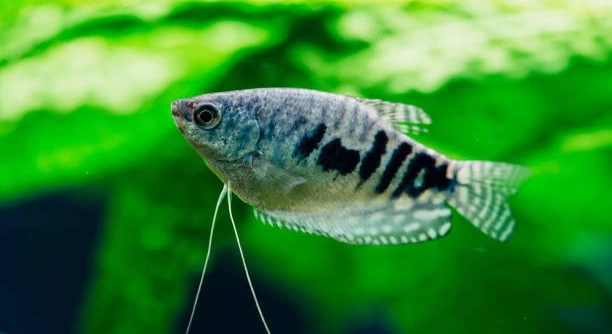
Is your gourami suddenly refusing to eat? This can be a frustrating issue for any aquarium owner, especially if your fish is usually active and healthy. Fortunately, there are common reasons for this behavior that can be addressed.
There are several factors that could be causing your gourami to lose its appetite, ranging from water quality issues to stress or health problems. Identifying the root cause is essential for finding the right solution and restoring your fish’s eating habits.
Understanding these key reasons will help you pinpoint the problem and take the necessary steps to get your gourami eating again. From water conditions to feeding routines, we’ll break down each factor in detail.
1. Poor Water Quality
Water quality plays a huge role in the health and eating habits of your gourami. If the water is not clean, your fish may become stressed and lose its appetite. Common issues like improper pH levels, ammonia, or nitrite spikes can be harmful. Gouramis are sensitive to changes in their environment, so even small variations in water quality can affect their behavior. Regular water testing is crucial to ensure the tank is safe and comfortable for your fish.
Checking the water for any imbalances will help you quickly identify the cause of the problem. Clean water is vital for all aquatic animals, so don’t overlook this essential factor.
Maintaining water conditions includes regular water changes, filtration checks, and monitoring ammonia, nitrite, and nitrate levels. Keep the tank at the recommended temperature and use water conditioners to ensure a safe environment. When the water is clear and balanced, your gourami is more likely to feel at ease and resume eating.
2. Stress from Tank Mates
Stress caused by aggressive or incompatible tank mates can make your gourami hesitant to eat. Some fish, especially territorial species, can intimidate or chase your gourami, causing anxiety. This type of stress impacts the fish’s behavior and appetite.
If you notice that your gourami is hiding or constantly on alert, it might be a sign that tank mates are creating a stressful atmosphere.
To reduce stress, observe the interactions between your gourami and other fish. If certain species are aggressive, consider moving them to a separate tank. Alternatively, add more hiding spots, plants, and decorations to provide your gourami with a safe space. Reducing stress will help your fish feel secure and more likely to eat.
3. Overfeeding
Overfeeding can lead to uneaten food sinking to the bottom, affecting water quality and making your gourami uncomfortable. A bloated or overly full fish may have less interest in eating.
Make sure to only offer the amount of food your gourami can eat in a few minutes. Excess food that isn’t eaten should be removed promptly to prevent water contamination.
Feeding your gourami in smaller portions throughout the day is better than offering one large meal. This helps maintain a balanced diet while avoiding overfeeding and waste buildup. A well-fed, comfortable fish is more likely to eat regularly.
4. Health Issues
If your gourami isn’t eating, it could be sick. Fish can be affected by various diseases, such as parasites or internal infections, that cause loss of appetite.
Look for other signs of illness, such as clamped fins, pale coloration, or abnormal swimming patterns. These symptoms may point to a health issue.
Infected or stressed gouramis often stop eating as their bodies focus on recovery. If you notice any signs of illness, consider isolating the affected fish and consulting a vet for proper treatment. A quick response is important to avoid further complications.
5. Wrong Food Type
Gouramis can be picky about food. If you’re feeding them something they don’t enjoy, they may refuse to eat. Try offering a variety of foods like flakes, pellets, and frozen or live options.
Experiment with different types of food to see what your gourami prefers. They may enjoy a certain texture or flavor over others.
Providing a balanced diet with the right mix of proteins and vegetables will ensure your fish gets the proper nutrition. Keep offering new food options, but don’t overwhelm them with too many changes at once.
6. Temperature Fluctuations
Gouramis are sensitive to temperature changes. If the water is too cold or too hot, they may stop eating. The ideal range for a gourami is 74°F to 80°F (23°C to 27°C).
Ensure your aquarium heater is functioning properly. If temperatures are inconsistent, your fish will likely feel stressed, leading to a loss of appetite.
Maintaining a stable temperature is essential for the health and well-being of your gourami. Fish that are too cold or too warm will be sluggish and may lose interest in food. Check the water temperature regularly to avoid these issues.
FAQ
Why is my gourami not eating?
There are many reasons why your gourami may not be eating. Common causes include poor water quality, stress from aggressive tank mates, incorrect food type, or health issues. It’s essential to check the water parameters, observe the behavior of other fish, and ensure the food you’re offering is appropriate. If your gourami continues to refuse food despite addressing these factors, you may need to consult an aquarium specialist to rule out any health problems.
How can I tell if my gourami is stressed?
Signs of stress in gouramis can include hiding, rapid gill movement, clamped fins, or swimming erratically. If your gourami is avoiding food or seems lethargic, stress might be the cause. Stress can also result from poor water conditions or being harassed by other fish.
To reduce stress, provide plenty of hiding spots and ensure the tank environment is stable. Adding live plants or decorations can offer security and reduce anxiety.
What temperature should my gourami tank be?
Gouramis thrive in a temperature range of 74°F to 80°F (23°C to 27°C). If the water is too cold or too hot, it can cause your fish to become stressed, which might lead to a loss of appetite. Use a reliable aquarium thermometer to monitor the temperature and maintain stability.
If the temperature fluctuates too much, consider investing in a heater with a thermostat to ensure a consistent environment for your fish.
Can overfeeding cause my gourami to stop eating?
Yes, overfeeding can lead to uneaten food settling at the bottom of the tank, which can affect water quality. This may make your gourami feel uncomfortable or bloated, reducing its appetite. When fish overeat, they may not be interested in food at all.
To avoid overfeeding, only give your gourami the amount of food it can consume within a few minutes. Remove any uneaten food to keep the water clean. Feeding smaller portions more frequently can also help maintain a healthy feeding schedule.
Should I change the food I give my gourami if it’s not eating?
If your gourami isn’t eating, it might be because the food you’re offering isn’t to its liking. Gouramis are known to be selective eaters. Try offering different types of food, such as flakes, pellets, live food, or frozen options, to see which one your fish prefers.
Sometimes, switching to a different food brand or type of protein (like brine shrimp or daphnia) can spark your gourami’s appetite. Just make sure that whatever you feed is appropriate for its nutritional needs.
How often should I feed my gourami?
Feeding your gourami once or twice a day is typically sufficient. Overfeeding can lead to water quality problems, so it’s important to feed them only what they can consume in a few minutes.
For younger gouramis, feeding them smaller portions multiple times a day may be necessary, as they require more frequent meals to grow. However, adult gouramis usually do well with one or two feeding sessions per day.
Can water quality affect my gourami’s appetite?
Absolutely. Poor water quality is one of the main reasons gouramis may refuse food. Elevated levels of ammonia, nitrites, or nitrates can stress your fish, making them less likely to eat. You should test the water regularly to ensure it remains within safe parameters for your gourami.
Keeping up with regular water changes and ensuring proper filtration will help maintain clean water. If the water quality is subpar, your fish may become stressed or sick, which can further discourage them from eating.
Is it normal for a gourami to stop eating when it is breeding?
Yes, it’s common for gouramis to stop eating when they are preparing to spawn. The stress of finding a mate and creating a suitable environment for eggs can sometimes cause a temporary loss of appetite. Female gouramis, in particular, may stop eating for a while during the breeding cycle.
However, if your gourami has stopped eating for an extended period, it’s important to check other factors such as water quality or possible illness. If the loss of appetite continues for more than a few days, further investigation may be needed.
Can my gourami’s tank mates be the reason it isn’t eating?
Yes, if there are aggressive or dominant fish in the tank, your gourami may become stressed, causing it to stop eating. Gouramis are peaceful fish, but they can be bullied or intimidated by more aggressive species, leading to a loss of appetite.
To resolve this, try separating aggressive fish or adding more hiding spots and plants to give your gourami a safe space. Additionally, consider the compatibility of your fish when selecting tank mates in the future.
What should I do if my gourami has not eaten for several days?
If your gourami hasn’t eaten for several days, you should first check for any signs of illness or stress. Look for symptoms such as bloating, abnormal swimming, or color changes. If these occur, your fish may need treatment.
If no signs of illness are present, review its environment—check water temperature, water quality, and tank mates. If everything seems in order but your fish is still not eating, consider consulting a veterinarian who specializes in fish health to rule out any underlying problems.
Final Thoughts
Addressing the reasons why your gourami isn’t eating can be a process of elimination, but it’s an important step in ensuring your fish remains healthy and happy. Many factors can contribute to a loss of appetite, such as poor water quality, stress, or an unsuitable tank environment. By carefully observing your gourami and checking water parameters, you can identify the root cause and take appropriate action. In most cases, with a little attention and adjustment, your fish will return to its normal eating habits.
It’s essential to remember that gouramis are sensitive fish, and even small changes in their environment can impact their health. Keeping a regular routine of water testing, ensuring the tank is appropriately sized, and offering a variety of food options are key practices that help maintain your fish’s well-being. Also, maintaining a calm and peaceful tank is crucial for preventing stress. If your fish is stressed by other tank mates, consider separating them or adding more hiding spots and plants for security.
Lastly, if you’ve tried adjusting the water quality, feeding habits, and tank environment without success, it may be time to consult an aquarium specialist or a vet. Sometimes, there could be underlying health issues that need professional treatment. However, with the right care and attention, your gourami should return to its healthy, eating habits. Always keep monitoring your fish’s behavior, and don’t hesitate to make the necessary changes to ensure a long, healthy life for your aquatic pet.

Hello,
If you enjoy the content that we create, please consider saying a "Thank You!" by leaving a tip.
Every little bit helps us continue crafting quality advice that supports the health, happiness, and well-being of pets around the world, for pets of all shapes, sizes, and species.
We really appreciate the kindness and support that you show us!