
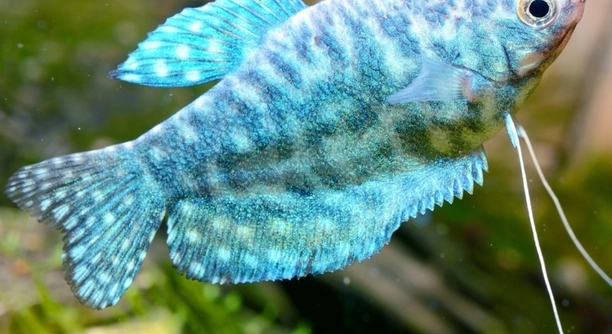
Do you ever find yourself setting up a new aquarium and wondering if your gourami would be happier living on its own?
Gouramis can live alone, especially species like the dwarf gourami, which are often less aggressive when housed without tankmates. Keeping a gourami alone can reduce stress, prevent fighting, and help maintain better water quality.
Learning how to care for a single gourami can lead to a peaceful and healthy tank environment tailored to their unique needs.
Why Some Gouramis Do Better Alone
Some gouramis do better when they are the only fish in the tank. This is especially true for certain types like the dwarf gourami or three-spot gourami. These fish can become territorial, especially in small tanks or when kept with other aggressive or similar-looking fish. Living alone can help lower their stress levels, which improves their health and behavior. Without the need to compete for food or space, a solo gourami can move freely and feel more secure. This also gives you more control over water quality and makes it easier to monitor your fish for any signs of illness. It is not uncommon for some gouramis to thrive when kept without other tankmates, especially if they have enough hiding places and environmental enrichment. Every gourami has its own personality, and while some are peaceful, others may prefer the calm of being alone.
A solo gourami will still interact with its environment and stay active. It may even respond to your presence near the tank.
While gouramis can live with other fish under the right conditions, it takes more care. Keeping one alone is often simpler and just as rewarding for both the fish and the owner.
How to Keep a Solo Gourami Happy
A gourami kept alone still needs attention, a clean tank, and plenty of hiding spots to feel safe and stay active.
Start with a tank that’s at least 10 gallons for a dwarf gourami or 20 gallons for a larger type. Make sure the water is kept clean with a good filter and regular maintenance. Gouramis like still or slow-moving water, so avoid strong currents. Keep the water temperature between 74°F and 82°F. Adding live plants, driftwood, or caves gives them places to hide and explore. Even without tankmates, they stay active and curious if their space is interesting. Floating plants can also help mimic their natural habitat and make them feel secure. Feed your gourami a balanced diet of flakes, pellets, and occasional treats like frozen or live food. Watch for any changes in behavior or appetite, as this could signal a health issue. A single gourami can live a peaceful and healthy life with the right setup.
Signs Your Gourami Is Happy Living Alone
A healthy solo gourami will swim around calmly, explore the tank, and show interest during feeding time. It won’t hide all the time or act overly skittish. A steady routine also helps keep them relaxed.
Color is one of the easiest ways to tell if your gourami is content. Bright, bold colors usually mean good health. They should also eat regularly and show interest in their surroundings. If your fish comes to the glass when you approach or follows your finger, that’s a positive sign. Normal breathing, smooth swimming, and occasional bubble nest building (for males) are also encouraging behaviors. Hiding once in a while is normal, especially if they’re resting or the room is quiet. But consistent hiding or sudden changes in movement may signal stress. Keeping an eye on behavior helps you spot problems early and ensure your gourami is happy living solo.
Another good sign is when your gourami explores different levels of the tank without appearing nervous. They often rest near the top or among plants but should not stay still for too long unless sleeping. During feeding, a happy gourami will eat with interest and not avoid food. Regular activity, alert eyes, and curiosity are all signs they are comfortable. They may also gently rearrange gravel or nip at plants, which is normal behavior. It shows they are engaged with their environment. If these behaviors are consistent and your tank is well-maintained, your solo gourami is likely thriving without any need for companions.
What to Avoid When Keeping One Gourami
Avoid keeping your gourami in a tank that is too small, too bare, or too noisy. These things can make your fish feel unsafe. Also, do not change the water conditions too quickly or forget to clean the tank on schedule.
Sudden changes in temperature, poor water quality, or a lack of hiding spots can lead to stress or illness. Bright lighting without cover can also make a solo gourami feel exposed and uneasy. Loud environments—such as placing the tank near a TV or speaker—may cause the fish to stay hidden and avoid eating. Another mistake is overfeeding. Uneaten food pollutes the water and can harm your gourami’s health. Make sure to feed small amounts once or twice a day, and remove leftovers. Lastly, avoid overcrowding the tank with decorations. While hiding places are important, your gourami still needs open space to swim freely. A balanced setup is key to their well-being.
Common Myths About Gouramis Living Alone
Some believe all gouramis get lonely without other fish, but that’s not always true. Many do well alone, especially in the right tank setup. Their well-being depends more on environment than on tankmates.
Another myth is that a solo gourami will stop being active. In reality, they can stay curious and social with their surroundings, especially if the tank is engaging. They don’t need other fish to stay healthy.
How Long Can a Gourami Live Alone?
With proper care, a gourami can live alone for several years. Most species, like dwarf gouramis, live around 4 to 6 years, and some can live longer in well-maintained tanks. The key factors include clean water, a balanced diet, and minimal stress. A solo life does not shorten their lifespan. In fact, avoiding aggressive tankmates often helps them live longer. Make sure the tank is equipped with plants, soft lighting, and regular maintenance. Watch for signs of boredom or illness, but generally, a gourami raised alone can thrive just as well as one in a community tank—sometimes even better.
Final Thoughts on Solo Gouramis
Gouramis are independent and often thrive alone with the right care. Focus on a peaceful setup, clean water, and regular feeding.
FAQ
Can a gourami live with other fish?
Yes, a gourami can live with other fish, but it depends on the species and tank conditions. Peaceful types, like dwarf gouramis, generally do well in a community tank with non-aggressive fish. However, certain types of gouramis can become territorial, especially in smaller tanks. To prevent aggression, ensure your tank is spacious enough and avoid keeping other fish with similar body shapes or colors. Species like bettas, other gouramis, or fin-nipping fish should be avoided to maintain a peaceful environment. Keep an eye on any signs of stress or aggression, such as chasing or fin tearing, and be ready to separate fish if necessary.
How big of a tank does a gourami need?
The size of the tank depends on the type of gourami. For smaller species like dwarf gouramis, a 10-gallon tank is suitable for one fish. Larger species, such as the three-spot gourami, need at least a 20-gallon tank. More space allows the fish to feel secure, reduces stress, and keeps the water quality stable. A larger tank also provides more room for plants and decorations, which are essential for providing hiding places and creating a natural environment for the gourami. Make sure the tank is equipped with a proper filter and heater to maintain optimal water conditions.
Do gouramis need a filter?
Yes, gouramis need a filter to maintain clean water. Like all fish, gouramis produce waste, which can quickly pollute the water if not properly filtered. A filter helps remove toxins and maintains the overall water quality. However, keep in mind that gouramis prefer calm water, so choose a filter that doesn’t create a strong current. A sponge filter or a gentle internal filter is often a good option. Additionally, regular water changes are important to keep the tank clean and ensure your gourami stays healthy. Perform partial water changes about once a week or every two weeks, depending on tank size and stocking.
What is the best food for a solo gourami?
A balanced diet is key for a healthy solo gourami. Commercial flakes or pellets designed for freshwater fish will meet their basic needs. Gouramis also enjoy live or frozen foods, such as brine shrimp, daphnia, or bloodworms, which provide variety and extra nutrients. It’s important to feed them a mix of both dry and wet foods. Feed small amounts once or twice a day, only what they can consume in a few minutes, to prevent overfeeding and water pollution. Keep an eye on their weight; gouramis are prone to obesity if overfed. If your gourami is active and eating regularly, you’re on the right track.
Do gouramis need live plants in their tank?
While live plants aren’t a strict necessity, they are highly recommended for a solo gourami. Live plants help mimic their natural environment and provide hiding spots, which reduce stress. Gouramis enjoy swimming around plants and resting near them. Plants also contribute to tank stability by absorbing nitrates and oxygenating the water. Common plants that work well in gourami tanks include Java fern, Anubias, and Amazon sword. If live plants are not an option, silk plants are a good alternative, though they don’t provide the same biological benefits as live plants.
How do I know if my gourami is stressed?
A stressed gourami may display several signs, including hiding more than usual, refusing food, or becoming more aggressive. If your gourami starts swimming erratically or rubbing against objects in the tank, this could be a sign of skin irritation or disease. Gasping at the surface or spending more time near the bottom may indicate poor water quality. It’s also common for stressed gouramis to display faded colors. Monitor your fish closely for any behavior that seems out of the ordinary, and address possible issues like tankmates, water quality, or environmental conditions as needed.
Can a gourami breed in a solo tank?
Yes, a gourami can breed in a solo tank, but only if you have a male and female. Male gouramis are known for building bubble nests, where they will court a female. If you plan to breed them, it’s important to provide plenty of hiding spots and calm water conditions. Adding a female to the tank will encourage breeding behavior, but make sure to separate the pair once the eggs are laid, as the male may become aggressive towards the female afterward. Be ready for the fry (baby fish) and provide a separate nursery tank or space for them to grow, as they need special care.
What water conditions are best for a gourami?
Gouramis prefer slightly acidic to neutral water, with a pH between 6.5 and 7.5. The water temperature should range from 74°F to 82°F, which is similar to the warm waters of their natural habitat. It’s important to keep the water well-filtered and regularly check for toxins like ammonia or nitrites. Regular water changes help maintain the right water quality. Keep in mind that gouramis are sensitive to sudden changes in water parameters, so avoid drastic shifts in temperature, pH, or hardness. Consistency is key to keeping your gourami happy and healthy.
Do gouramis get along with bettas?
Bettas and gouramis can be a tricky combination. Both species are territorial, and male bettas can be especially aggressive towards other fish with similar fin shapes or body types, which includes many types of gouramis. While some bettas and gouramis may coexist peacefully, the risk of aggression is high. If you attempt to house them together, make sure the tank is large enough (at least 20 gallons) and that there are plenty of hiding places. Be ready to separate them at the first signs of aggression, such as chasing or fin nipping.
What are the common health problems in gouramis?
Gouramis, like all fish, can face several health problems. Common issues include fin rot, dropsy (swelling of the body), and fungal or bacterial infections. Gouramis can also suffer from parasites like ich, which causes white spots on their skin. If your gourami shows signs of illness, it’s essential to quarantine it and treat the problem promptly. Maintaining good water quality, proper temperature, and a balanced diet can help prevent many health issues. Regularly check for abnormal behavior, discoloration, or physical changes, and take action before the problem worsens.
Final Thoughts
Gouramis are resilient fish that can live happily on their own when given the right care. Whether you’re keeping a dwarf gourami or a larger species, a solo setup can be an ideal choice for both the fish and the owner. It simplifies tank management, reduces the chances of aggression, and helps you focus on creating the best environment for your fish. With proper tank size, water conditions, and a balanced diet, your gourami can thrive in solitude, displaying peaceful behavior and bright colors. It’s important to remember that every fish is unique, and some may prefer the company of others, while others do just fine alone. Paying attention to their needs and behaviors will guide you in making the best choice for their well-being.
While it may seem like a solo gourami might get lonely, these fish are quite content when they have enough space to roam, proper hiding spots, and a comfortable environment. The key is ensuring they are not stressed by sudden changes or inappropriate tankmates. If your tank is calm and secure, your gourami will likely be just as happy as any fish living in a community tank. Avoid overcrowding, keep the water clean, and monitor your fish for any signs of stress, and your gourami will show you that living alone can be the best choice for them.
Lastly, remember that keeping a solo gourami requires some commitment, but it’s often easier than maintaining a community tank. With just a few simple steps—like providing a proper tank size, water temperature, and diet—you can create an environment where your gourami thrives. Regular maintenance, observation, and adjustment as needed will ensure a long and healthy life for your fish. Enjoy the experience of caring for a peaceful, independent fish and let their personality shine in your tank.

Hello,
If you enjoy the content that we create, please consider saying a "Thank You!" by leaving a tip.
Every little bit helps us continue crafting quality advice that supports the health, happiness, and well-being of pets around the world, for pets of all shapes, sizes, and species.
We really appreciate the kindness and support that you show us!