
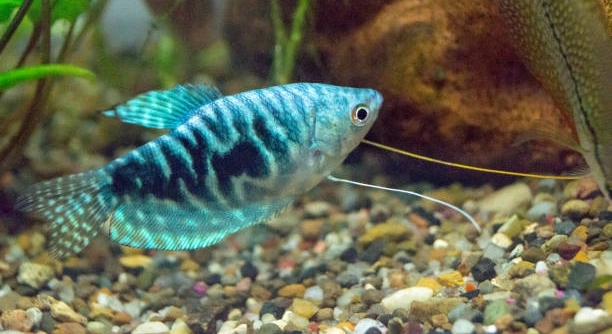
Have you ever noticed your gourami spending long hours hiding or floating quietly in one corner of the tank? These behaviors might seem normal, but sometimes they can be signs of something more, like loneliness or stress.
Gouramis can experience stress-related behaviors when kept alone, especially if their environment lacks stimulation. While they are not strictly social fish, they do benefit from interaction with tank mates and a well-maintained habitat.
Learning how to recognize loneliness and how to create a healthy space for your gourami can make a big difference in their wellbeing.
Signs Your Gourami May Be Lonely
Gouramis are often calm and easygoing, but they can show changes in behavior when they feel isolated. A lonely gourami might stop exploring the tank or become less active than usual. It may hide often, eat less, or seem uninterested in its surroundings. These behaviors can be signs of stress, and over time, stress can weaken their immune system. A bored or lonely fish may even become more aggressive or easily startled. While gouramis don’t need constant company, they do need mental stimulation. Without it, they can become withdrawn. Watching for these small changes in how your fish behaves can help you understand if it’s feeling lonely. Loneliness isn’t always obvious right away, but subtle shifts in movement, feeding, and interaction with other tank mates are important clues. Keeping an eye on these details can help you respond quickly and create a more balanced environment.
A quiet or still fish doesn’t always mean it’s resting—it could be a sign of emotional stress.
If you notice changes in how your gourami swims or eats, consider what’s missing from its environment. Lack of enrichment or suitable tank mates may play a role.
How to Keep Your Gourami Engaged
Start by making the tank more interesting. Add real or artificial plants, gentle bubbles, and spots to explore. Gouramis enjoy quiet hiding areas and slow water movement. Providing these features helps them feel secure and encourages natural behavior. You can also introduce peaceful tank mates, like cory catfish or small tetras, but always check compatibility. Sometimes, just rearranging the decorations or rotating items every few weeks can create enough stimulation. Feeding time is another chance to engage your fish. Try offering live or frozen food occasionally to promote active hunting. Most gouramis enjoy a mix of pellets, flakes, and live food. Keeping a predictable routine also reduces stress. If your gourami still seems low-energy, check the water quality. Clean water with stable temperature and pH helps them stay healthy and responsive. With small changes, your gourami can stay active and alert.
Tank design, food variety, and social balance all play a role in keeping your gourami emotionally and physically healthy.
Choosing the Right Tank Mates
Not all fish get along with gouramis. It’s important to choose peaceful species that won’t nip at their fins or stress them out. Avoid aggressive or overly active fish. Look for calm tank mates that share similar water needs and space.
Some good choices include corydoras, rasboras, and certain types of tetras. These species tend to be non-aggressive and won’t compete for space. Avoid pairing gouramis with fin-nippers like barbs or overly territorial fish. Always check each species’ behavior and adult size. Make sure your tank is large enough to provide plenty of room for everyone. Introducing new fish slowly can help reduce stress. Keep an eye on interactions during the first few days. If any fish seem stressed or are being bullied, you may need to separate them. Proper tank mate selection helps prevent aggression and supports a more stable and peaceful aquarium.
Fish that stay in different areas of the tank often work best with gouramis. For example, bottom dwellers like kuhli loaches or mid-swimmers like harlequin rasboras can fill out the tank without bothering the gourami. Avoid adding too many fish at once. Overcrowding can cause stress and water quality problems. Stick to a balanced number based on your tank size. If your gourami becomes aggressive or withdrawn, it may not be happy with the tank mates. Always be prepared to make changes if needed. Choosing the right companions can bring out your gourami’s more social and curious side.
Creating a Comfortable Tank Setup
Gouramis like calm water and space to swim around. A tank with soft lighting, gentle filtration, and some surface cover helps them feel safe. Use floating plants to mimic their natural habitat.
A tank that feels too open can make gouramis feel exposed. They enjoy having places to hide, like driftwood, caves, or tall plants. These spaces give them security and a sense of control. Include floating plants like hornwort or frogbit, which give them shade and let them build bubble nests if they choose. Keep water temperature steady—between 74°F and 82°F works well for most gourami species. Test water regularly and keep ammonia and nitrite at zero. A soft, slightly acidic to neutral pH is ideal. If your fish seems stressed, check for noise, sudden movements, or tank placement near a busy area. A quiet, stable environment helps gouramis feel more relaxed and active.
Common Mistakes That Lead to Stress
Keeping your gourami in a tank that’s too small can make it feel trapped. A cramped space limits movement and increases tension with other fish. Always choose a tank size that gives enough swimming room.
Loud noises, sudden lighting changes, or frequent tapping on the glass can cause stress. Place the tank in a quiet, low-traffic area to help your gourami feel more secure.
How Often to Observe Your Gourami
Watching your gourami daily helps you spot changes early. Check for signs like loss of color, hiding, or skipping meals. These shifts may mean something is wrong. Quiet observation during feeding or resting times works best. Keep a log if needed to track behavior patterns.
When to Consider a Companion Gourami
If your tank is large enough and the water conditions are stable, you can consider adding a second gourami. Choose the same species and avoid mixing different types to prevent aggression.
FAQ
Can gouramis live alone?
Yes, gouramis can live alone, especially species like the dwarf gourami or betta. They don’t need constant interaction with other fish. However, a lonely gourami might become bored or inactive if the tank lacks hiding places or enrichment. Giving them a quiet, well-planted space helps.
How do I know if my gourami is lonely?
You might notice your gourami hiding more than usual or swimming less. It may stop eating or show less interest in its surroundings. These signs don’t always mean it’s lonely, but they are often linked to stress. Try changing the tank setup or adding gentle tank mates.
Do gouramis need to be in groups?
Not all gouramis need groups. Some species are better alone or in pairs, while others, like pearl or honey gouramis, enjoy small groups. Always check the specific needs of the species you have. Too many can cause fighting, so avoid crowding the tank.
What fish make the best companions for gouramis?
Good tank mates are peaceful, calm, and don’t compete for space. Try corydoras, harlequin rasboras, or neon tetras. Avoid fin-nippers like tiger barbs or aggressive fish like cichlids. A well-balanced mix keeps your gourami comfortable and active without causing stress or fights.
How large should the tank be for a gourami?
A single gourami needs at least a 10-gallon tank, but more space is always better. For pairs or groups, start with 20 gallons or more. Larger tanks give more swimming room and reduce aggression. Always match the tank size to the number and type of fish.
Can two gouramis live together peacefully?
Yes, but it depends on the type and gender. Two males of the same species may fight, especially in smaller tanks. A male-female pair or two females is usually safer. Provide enough space and hiding spots to reduce tension between them. Monitor their behavior closely after introduction.
Why is my gourami hiding all the time?
Constant hiding may be caused by stress, poor water conditions, loud noise, or aggressive tank mates. Check the water quality, lighting, and tank setup. A well-decorated tank with plants and caves gives them safe places to relax while still feeling secure enough to come out.
Do gouramis like a lot of movement in the water?
No, they prefer calm water with slow currents. Strong filters or bubblers can make them feel uneasy. Use gentle filtration or baffles to slow the flow. Floating plants also help reduce surface movement and create a more relaxed environment.
What should I feed my gourami?
Gouramis eat flakes, pellets, and live or frozen foods like bloodworms and brine shrimp. Rotate food types to keep them interested and healthy. Feed small portions once or twice a day. Remove uneaten food after a few minutes to keep the water clean.
Can I keep different gourami species in one tank?
It’s risky. Different species may not get along, especially if they’re territorial. Even peaceful types can show aggression when mixed. If you try, use a large tank and watch their behavior closely. It’s usually safer to keep only one species per tank.
Final Thoughts
Caring for a gourami means more than just feeding it and keeping the tank clean. These fish also need the right environment to feel safe and stay healthy. They may not be the most social fish, but they can still feel stress or boredom if left in a tank with little stimulation. Watching your gourami’s behavior over time will help you notice if something seems off. If it starts hiding, refusing food, or swimming less, there may be a deeper issue. These signs can point to stress, loneliness, or changes in the water conditions. Making small adjustments like rearranging decorations, adding live plants, or offering new foods can make a big difference.
Gouramis don’t always need other fish around, but that doesn’t mean they enjoy being in an empty tank. A well-designed space with the right lighting, hiding spots, and slow water flow helps them feel calm. If the tank has room and water parameters are stable, you can try adding calm, peaceful tank mates. It’s important to monitor new additions carefully. Not all fish will get along, and sometimes even small stressors can impact your gourami’s mood or health. When introducing new fish, go slow and observe their behavior. A peaceful tank leads to a healthier, more active gourami.
Every gourami is a little different. Some enjoy exploring and staying active, while others are quieter. Learning what your gourami prefers takes time, but it helps you build a better space for them. You don’t need to do everything at once. Small steps, like checking the water more often or swapping out decorations, can help your gourami feel more comfortable. The key is to stay patient and consistent. Over time, you’ll notice patterns in their behavior that tell you what they enjoy. Whether your gourami lives alone or shares the tank, your attention and care matter. A healthy, calm tank can prevent stress and help your fish thrive. Keeping your gourami happy doesn’t have to be complicated—it just takes steady care, the right setup, and a bit of observation.

Hello,
If you enjoy the content that we create, please consider saying a "Thank You!" by leaving a tip.
Every little bit helps us continue crafting quality advice that supports the health, happiness, and well-being of pets around the world, for pets of all shapes, sizes, and species.
We really appreciate the kindness and support that you show us!