
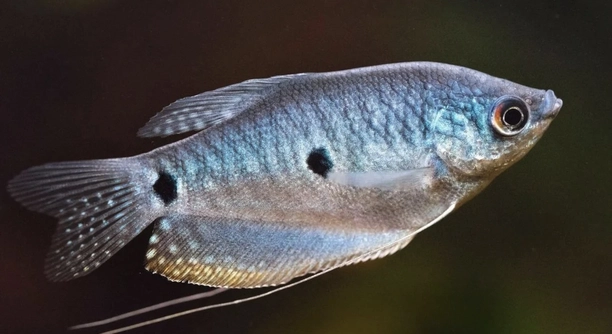
Gouramis are popular fish in home aquariums due to their vibrant colors and calm nature. They are often admired for their fascinating behaviors, which raise questions about their interactions and personalities. But do they like to play?
Gourami fish do not exhibit play behavior as humans or some other animals might, but they are active and curious. They engage in interactions with their environment, particularly with other fish, objects, and plants, displaying interest in their surroundings.
Understanding how gouramis behave in their tanks can give you insight into their natural instincts. Knowing how to care for them properly can enhance their well-being and ensure a happy, healthy environment.
What Makes Gouramis Curious?
Gouramis are known for their curiosity. They enjoy exploring their tank, often swimming through plants, and interacting with objects. This behavior is common in many species, and it shows how these fish adapt to their environment. They are especially active during feeding times, searching for food and new things to interact with. Gouramis are naturally inclined to investigate their surroundings, which is why you may notice them swimming around plants or gently nibbling on decorations. This curiosity can also extend to other tank mates, where they might interact by swimming alongside or near them. However, they don’t show playfulness in the same way some other animals do. Instead, their movements are often tied to basic instincts like finding food or establishing territory.
Their need for stimulation through interaction with the environment is important for their mental well-being. In an aquarium, adding plants, rocks, or decorations gives them opportunities to express their curiosity in a safe and controlled way.
Gouramis, despite not “playing” like more active animals, show a level of interaction with their environment that’s quite engaging to observe.
How Gouramis Interact with Other Fish
Gouramis can be social, but they tend to keep to themselves. They might swim near other fish, especially in a large community tank, but they usually avoid direct confrontation.
While some fish are naturally more aggressive, gouramis are generally peaceful and prefer calm interactions. They often display a behavior called “fencing” where they gently push against each other with their mouths. This isn’t aggressive but more of a way to establish space and understand boundaries. Gouramis can also be territorial, especially in smaller tanks, and may show some signs of dominance over other fish. However, these displays are more about space and not about playing or fighting. It’s their way of maintaining comfort in their environment. If you’re planning to keep them with other fish, it’s important to choose compatible species that won’t stress them out. Keep in mind that their peaceful nature makes them ideal for a community tank, but watch for any signs of aggression if they feel overcrowded.
Creating a balanced tank environment will allow your gouramis to express their natural curiosity and avoid unnecessary stress from other fish.
Gouramis and Their Environment
Gouramis thrive in tanks that mimic their natural habitat. They prefer calm waters with plenty of hiding spots and plants. A well-designed tank is essential for their well-being.
Creating a tank that reflects their natural environment helps gouramis feel secure. Adding plants, rocks, and driftwood creates hiding spots, giving them the opportunity to explore. Water conditions are important too. Gouramis prefer slightly acidic to neutral water with a temperature range of 74-82°F. Keeping the water clean and free of toxins is also crucial. Regular water changes help maintain a healthy environment and reduce stress.
Gouramis are not particularly active swimmers, so they enjoy a tank that isn’t overly crowded. They like to have space to move around and explore, but they don’t need a massive tank. A 20-gallon tank is often enough for a few gouramis. They will spend time near the surface, occasionally breaching the water for air, which is normal behavior. Setting up a comfortable environment is key to making sure your gouramis stay healthy and happy.
Feeding Gouramis
Gouramis are not picky eaters but thrive on a varied diet. They eat flake food, pellets, and live or frozen food like bloodworms and brine shrimp.
Gouramis enjoy a balanced diet that includes both plant and animal matter. High-quality fish pellets or flakes can be their main source of nutrition, but supplementing their meals with live or frozen foods keeps them engaged and healthy. It’s important to feed them small portions 2-3 times a day to prevent overfeeding. Watch how much they eat and remove any leftover food to keep the tank clean. Gouramis will not play with food but will often swim eagerly toward it, especially when it’s time to eat.
Overfeeding can lead to poor water quality, so it’s vital to monitor the feeding schedule. A varied diet also helps to meet their nutritional needs and keep them active. Like many fish, gouramis tend to be bottom feeders and enjoy picking up leftover food from the substrate, which can make the tank cleaning process easier. Always make sure that food reaches all levels of the tank so every fish can enjoy their meals.
The Role of Tankmates
Gouramis can be kept with many types of fish, but choosing the right tankmates is crucial. They are peaceful but can become stressed with overly aggressive fish.
When selecting tankmates for gouramis, consider fish that are similarly calm and non-territorial. Fish like tetras, danios, and other peaceful species usually coexist well. Gouramis also enjoy having some space to themselves, so avoid overcrowding the tank. If you add too many active or territorial fish, gouramis may hide or become skittish. Compatibility with tankmates plays a key role in their overall health and well-being.
Maintaining a Healthy Aquarium
Keeping your aquarium clean is essential for the health of your gouramis. Regular water changes and filtering will help maintain a stable environment.
Water quality is important for gouramis because they are sensitive to changes in their environment. Regularly cleaning the substrate, removing debris, and ensuring the filtration system is working properly will make a huge difference. Additionally, monitor water parameters such as pH, temperature, and ammonia levels. Keeping the tank clean not only prevents health issues but also reduces stress for the fish. Healthy water means happy gouramis.
Common Health Concerns
Like any fish, gouramis can face health issues. It’s important to watch for signs of stress, disease, or injury.
Gouramis can be susceptible to common freshwater fish diseases like ich or fin rot. Signs of illness include loss of appetite, clamped fins, or unusual swimming patterns. Keeping the tank clean and monitoring water quality can help prevent these issues. Regularly check for injuries or signs of aggression from other tankmates. Addressing health problems early can prevent them from worsening and help maintain the well-being of your gouramis.
FAQ
Do gouramis need a lot of space to be happy?
Gouramis don’t require an excessively large tank, but they do need enough space to swim and explore. A 20-gallon tank is usually sufficient for a small group of gouramis. However, the more space they have, the more comfortable they will feel. A larger tank also allows for more plants and hiding spots, which helps mimic their natural environment. Overcrowding can lead to stress and aggression, so make sure you give them enough room to move freely and establish their own territory.
Can gouramis live with other fish?
Yes, gouramis can live with other peaceful fish. They are generally calm and social but can get stressed if housed with aggressive or overly active fish. Ideal tankmates include peaceful species like tetras, mollies, or corydoras catfish. Be cautious when introducing new fish into the tank, as it’s important to make sure they won’t disrupt the gouramis’ peaceful nature. Avoid keeping gouramis with fin-nipping species like certain types of barbs, as they might cause unnecessary stress to the gouramis.
What do gouramis eat?
Gouramis are omnivores and eat a variety of foods. In captivity, they thrive on high-quality flake food or pellets designed for tropical fish. Supplementing their diet with live or frozen foods like bloodworms, brine shrimp, or daphnia is a great way to keep them healthy and engaged. Gouramis are not picky eaters but will benefit from a balanced diet. It’s important to feed them small amounts 2-3 times a day to avoid overfeeding and water quality issues. They will also happily nibble on plants and algae in the tank.
How often should I feed my gourami?
You should feed your gourami 2-3 times a day. Offer small amounts of food that they can consume in a few minutes. It’s best to avoid overfeeding, as this can lead to water quality problems and obesity in the fish. Remove any uneaten food after 5-10 minutes to prevent it from decaying and polluting the tank. Keep an eye on their appetite—if they stop eating, it could be a sign of illness or stress, and you may need to adjust their diet or environment.
What is the ideal water temperature for gouramis?
Gouramis prefer water temperatures between 74°F and 82°F (23°C to 28°C). They are tropical fish, so it’s important to maintain a stable temperature within this range. Water that is too cold or fluctuates too much can cause stress and weaken the fish’s immune system, making them more susceptible to disease. Use a reliable aquarium heater to maintain the water temperature, and check the temperature regularly with a thermometer to ensure it stays within the ideal range.
Do gouramis breathe air from the surface?
Yes, gouramis are labyrinth fish, meaning they can breathe oxygen from the air in addition to extracting oxygen from water. They have a specialized organ called the labyrinth organ that allows them to breathe atmospheric air. While they can get oxygen from the water, they often swim to the surface to gulp air. This behavior is normal and helps them stay healthy. It’s important to provide a well-oxygenated tank with a proper surface area, allowing them to breathe comfortably when needed.
How do I know if my gourami is sick?
Sick gouramis may exhibit several signs, including loss of appetite, swimming difficulties, or visible physical changes. They might have clamped fins, discoloration, lesions, or lesions on their body. If your gourami is swimming erratically or staying near the surface for prolonged periods, it could indicate illness. Pay attention to any behavioral changes, like increased hiding or aggression. If you notice any of these symptoms, check the water quality and consider isolating the sick fish in a quarantine tank. A visit to an aquatic veterinarian might be necessary if symptoms persist.
Can gouramis live in cold water?
Gouramis are tropical fish and should not be kept in cold water. They thrive in warmer temperatures between 74°F and 82°F. If the water is too cold, they can become stressed, leading to weakened immune systems and increased susceptibility to disease. Keep the tank temperature stable with a heater to ensure they remain healthy. For best results, avoid placing them in tanks with drastic temperature fluctuations or in locations that are too cold, like near windows or doors.
Are gouramis aggressive?
Gouramis are generally peaceful fish, but they can show signs of territoriality. Males may become more aggressive when defending their space, particularly during breeding seasons or when they feel crowded. To reduce aggression, provide plenty of hiding spots and plant cover in the tank. If aggression becomes an issue, consider separating overly aggressive individuals or providing a larger tank to reduce territorial behavior. In a well-balanced tank with peaceful fish, gouramis typically live harmoniously.
How can I prevent my gouramis from getting stressed?
Stress in gouramis can be caused by various factors, such as poor water quality, aggressive tankmates, or improper tank conditions. To prevent stress, maintain stable water parameters, including pH, temperature, and hardness. Regular water changes and good filtration are essential for a healthy environment. Avoid overcrowding the tank, and make sure your gouramis have plenty of plants and hiding spots for security. Keep the tank environment calm, and ensure that other fish are compatible with gouramis to avoid unnecessary tension.
Final Thoughts
Gouramis are unique fish that bring both beauty and calmness to an aquarium. They thrive in a peaceful, well-maintained environment where they can explore and interact with their surroundings. While they don’t play in the same way as some other animals, their curiosity and calm nature make them fascinating to observe. Understanding their behavior and providing the right care can help ensure that your gouramis stay happy and healthy for years to come.
Caring for gouramis is relatively simple once you understand their needs. They require a stable water temperature, proper filtration, and a balanced diet. Providing them with a tank that mimics their natural habitat, with plenty of plants, rocks, and hiding spots, will help them feel comfortable and secure. It’s also important to choose compatible tankmates that won’t cause unnecessary stress. By following these basic care guidelines, you can create a healthy environment where your gouramis can thrive and show off their natural beauty.
While gouramis may not exhibit traditional play behavior, their interactions with their environment and tankmates are still interesting to watch. Their peaceful nature makes them a great addition to community tanks, and their simple yet effective behaviors can add a calming atmosphere to your home. Keeping gouramis happy and healthy takes a bit of effort, but their charm and low-maintenance care make them a rewarding pet to have. Whether you’re new to fishkeeping or have experience, gouramis are a great choice for a tranquil and colorful aquarium.

Hello,
If you enjoy the content that we create, please consider saying a "Thank You!" by leaving a tip.
Every little bit helps us continue crafting quality advice that supports the health, happiness, and well-being of pets around the world, for pets of all shapes, sizes, and species.
We really appreciate the kindness and support that you show us!