
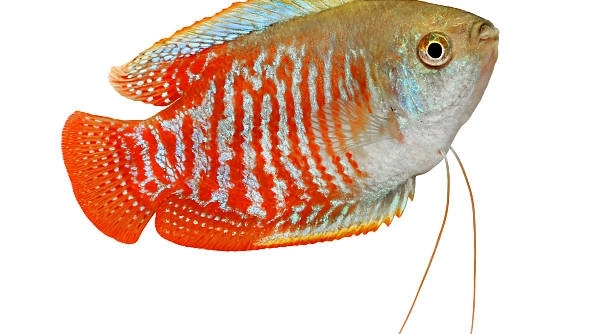
Is your gourami swimming actively, showing off its bright colors, and seeming to thrive in its tank environment every day?
A happy gourami often displays active swimming, a healthy appetite, vibrant coloration, and relaxed interactions with tank mates. These behaviors indicate comfort, proper care, and a well-maintained aquatic environment.
Learning how to read your gourami’s behavior can help you keep them healthy and content for the long term.
1. Active Swimming Without Stress
Gouramis that are happy tend to swim around the tank in a smooth, calm way. They don’t dart back and forth or hide all the time. You’ll often see them exploring different areas or calmly hovering in place. They may come to the front of the tank when you’re nearby, showing interest in their environment. Their fins stay open, and their movement looks relaxed. These are all signs that your gourami feels safe and comfortable. If they’re not showing signs of fear or stress, like hiding in corners or sudden bursts of swimming, you can assume they feel at ease.
A stressed gourami often hides, breathes quickly, or shows erratic movement. That’s not the behavior of a calm, happy fish.
Maintaining a consistent tank temperature and keeping the water clean plays a big role in encouraging steady, calm movement. Regular water changes and avoiding sudden environmental changes are just as important as feeding them well.
2. Healthy Appetite
A gourami with a strong appetite is usually in good health and feeling secure in its space. They eat with interest, often coming to the surface during feeding time. Skipping meals regularly can mean something is wrong.
Make sure you feed a mix of pellets, flakes, and occasional frozen or live food. Variety helps meet their nutritional needs. Overfeeding, however, can cause waste buildup, affecting water quality and making your gourami feel unwell. Keep an eye on their appetite as it can be one of the first signs something has changed. If your gourami eats well, moves with ease, and looks alert, that’s a reliable indicator of comfort and happiness.
3. Bright, Vibrant Colors
Bright colors are a common sign that your gourami is healthy and content. When they feel stressed or unwell, their color can fade or become dull. A rich, consistent hue usually means good water quality and low stress.
Color intensity is also affected by diet and lighting. Foods rich in carotenoids and regular exposure to natural or full-spectrum lighting help bring out the fish’s natural tones. A dull color may show poor diet or discomfort in the tank. If your gourami’s colors seem off, check the water parameters, lighting conditions, and the nutritional content of their meals. Clean, warm water and a good diet support their natural coloring. If they’re still eating well and swimming actively, this can also help confirm whether the color change is temporary or part of a larger issue that needs to be addressed.
Gouramis can also change colors during mating or when showing dominance. Males, especially, will deepen in color when trying to attract a mate or establish territory. This change is normal and not a cause for concern. If your fish seems active and not acting aggressively toward others beyond what’s expected, you can take the color change as a healthy sign. Keep monitoring their behavior to stay on track.
4. Builds Bubble Nests
When a male gourami builds a bubble nest, it usually means he feels secure. This behavior is connected to breeding, but it also shows that the tank environment is comfortable enough for him to start this natural process.
The bubble nest appears at the water’s surface and is made from bubbles the gourami blows and coats with mucus to keep them from popping too fast. If your male gourami creates one, it means he feels safe enough to settle in and consider mating. Even without a female present, nest building still shows contentment. Soft plants near the surface and calm water support this behavior. Don’t mistake this for aggression unless it’s paired with chasing or fin-nipping. Nest building on its own is peaceful and positive. It’s one of the clearest signs that you’ve created the right space for your gourami to live and behave naturally.
5. Responds to You
Gouramis that feel safe often respond when you come near the tank. They may swim to the front or follow your movement. This shows curiosity and comfort, not fear. It’s a good sign they feel secure around you.
They may also recognize feeding times and come to the surface in anticipation. This behavior signals trust and routine. Sudden hiding or ignoring your presence could mean they are stressed or unwell.
6. Gets Along with Tank Mates
A happy gourami usually coexists peacefully with its tank mates. Minor displays of dominance can happen, especially with males, but constant chasing, fin-nipping, or hiding isn’t normal. Aggression or withdrawal often points to overcrowding, stress, or illness. Keeping the tank calm, with enough space and hiding spots, helps reduce tension. A proper balance of fish types, both in number and temperament, also matters. If your gourami swims calmly among others, shows no signs of bullying or fear, and maintains a steady routine, you’re likely providing a safe and stable environment. Keep an eye on group dynamics, especially after adding new fish.
7. Sleeps Peacefully
Gouramis sleep by staying still, usually near the bottom or in plants. Peaceful, regular rest means they feel safe in their surroundings. Disrupted sleep or frantic movement at night can be a sign of stress or discomfort.
FAQ
How do I know if my gourami is stressed?
Stressed gouramis often hide more than usual, breathe quickly at the surface, or swim in short, sharp movements. They may lose color or stop eating. Another sign is clamped fins, where the fins stay tight against their body instead of fanned out. You may also see them avoiding other fish or spending time in one corner. These signs mean something is off in the tank—maybe the water quality, temperature, or tank mates are causing problems. Acting early can help your gourami feel better before health problems start.
What should I do if my gourami is hiding all the time?
First, check the water temperature and quality. If those are fine, think about recent changes like new tank mates or moving decorations. Gouramis hide when they feel unsafe or stressed. It can also happen when the tank is too bright or there’s not enough cover like plants or caves. Try adding more hiding spots and reduce sudden movements around the tank. If nothing changes after a few days, it might be a sign of illness or something more serious that needs attention.
Why is my gourami blowing bubbles but not building a nest?
Blowing bubbles alone isn’t the same as nest building. Nest building is more organized and usually forms a floating cluster at the surface. Simple bubble blowing might just be your gourami exploring or adjusting to the water. It could also be part of the early stages of nest building. As long as your fish is active, eating well, and looks healthy, casual bubble blowing isn’t a problem.
Can female gouramis build bubble nests too?
No, only males build bubble nests. If you see a nest forming and you only have one gourami, it’s very likely a male. Sometimes, people confuse other tank debris or surface bubbles with nests. But a real nest looks like a group of steady, foam-like bubbles usually near floating plants or still areas of the tank.
Is it normal for my gourami to sleep a lot?
Gouramis do rest, especially at night, but they should still be active during the day. If your fish seems to be “sleeping” all the time—laying still at the bottom or in plants for long periods—it might be tired due to poor water conditions or illness. Make sure your tank is cycled, clean, and at the right temperature. A tired fish all day is not a good sign.
Do gouramis get lonely?
Most gouramis do not need to be kept in groups to stay happy. Some types are more social, but many are just fine alone, especially if the tank is enriching and has the right layout. For example, dwarf gouramis often do well solo. However, overcrowding or pairing the wrong gouramis can lead to fighting. It’s more about compatibility than loneliness.
What kind of tank setup keeps gouramis happy?
A calm tank with gentle filtration, steady water temperature, and lots of live or silk plants is ideal. Floating plants are especially helpful since they give shelter and nesting space. Avoid sharp decorations and strong currents, as gouramis prefer still or slow-moving water. A balanced tank setup reduces stress and encourages healthy behavior.
How often should I feed my gourami?
Feed your gourami once or twice a day. Only give what they can finish in a couple of minutes. Overfeeding causes dirty water and can make them sick. It’s better to feed small amounts regularly and mix up their diet with pellets, flakes, and occasional frozen or live treats like bloodworms.
Can I tell if my gourami is happy just by looking at it?
Yes, to some extent. A happy gourami will be active but not frantic, have bright colors, and show interest in its environment. If it comes to the front of the tank, builds bubble nests, eats regularly, and swims without hiding, these are all signs of a well-adjusted and happy fish.
Why did my gourami suddenly become aggressive?
This often happens with males, especially during mating periods or when establishing territory. It can also happen if the tank is overcrowded or if a new fish is added. Make sure your tank has enough space, hiding spots, and visual barriers like plants. If the aggression doesn’t stop, you may need to separate them.
Final Thoughts
Keeping a gourami happy doesn’t have to be complicated. These fish are fairly easy to care for as long as you pay attention to their basic needs. Clean water, steady temperature, and a calm tank environment go a long way. Watching for signs like active swimming, bright colors, and bubble nest building can tell you a lot about how your gourami is feeling. When your fish looks relaxed, eats well, and interacts with its surroundings, that’s usually a strong sign it’s content. Small changes in behavior can be your first sign that something might be off, so it helps to notice those early.
Feeding a healthy diet, avoiding overcrowding, and choosing the right tank mates are just as important. Some gouramis prefer to be alone, while others can handle being with peaceful fish. Knowing the type of gourami you have will help you make better choices for their care. Regular tank maintenance, gentle lighting, and plants to explore or hide in will make their space more comfortable. If you ever notice dull color, lack of appetite, or hiding that lasts more than a day or two, it’s good to check the water and make sure the environment still suits their needs. Sometimes the smallest problems, like poor water quality or stress from a new fish, can affect their mood and health quickly.
Taking a few minutes each day to observe your gourami’s behavior is often the best way to catch changes early. These fish have patterns and habits, and once you get used to their normal routine, it becomes easier to notice when something is different. With steady care, a little patience, and a well-kept tank, your gourami can live a calm, healthy life. They may not show affection the same way other pets do, but their active behavior, bright colors, and occasional interaction with you can be rewarding signs of trust. In the end, making sure your gourami feels safe and supported is what helps them thrive. Watching a healthy, happy gourami move around its tank can be one of the most relaxing and satisfying parts of fish keeping.

Hello,
If you enjoy the content that we create, please consider saying a "Thank You!" by leaving a tip.
Every little bit helps us continue crafting quality advice that supports the health, happiness, and well-being of pets around the world, for pets of all shapes, sizes, and species.
We really appreciate the kindness and support that you show us!