
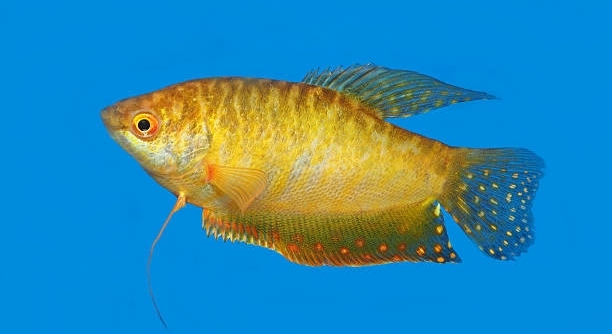
Gourami fish are a popular choice for aquarium owners due to their colorful appearance and peaceful nature. Many wonder how large these fish will grow and what factors influence their growth potential.
Gourami growth largely depends on factors like water quality, tank size, diet, and genetics. Proper care and optimal living conditions can lead to healthy growth, while poor conditions may stunt their development, leading to smaller sizes than expected.
Understanding these key elements will help ensure your Gourami reaches its full growth potential, maintaining both its size and overall health.
Factors Affecting Gourami Growth
Gourami fish grow at different rates depending on several factors. Water quality is one of the most important aspects to consider. Clean water with proper pH, temperature, and filtration encourages growth, while dirty or improperly maintained water can cause stunted development. Another factor is the tank size. Larger tanks allow for more space, enabling the fish to grow comfortably. In contrast, smaller tanks can restrict their movement and growth.
Additionally, diet plays a vital role. Feeding your Gourami a balanced and varied diet ensures they get the nutrients needed for healthy growth. Overfeeding can lead to obesity, while underfeeding can stunt growth. Genetics also determine how large a Gourami will grow. Some species naturally grow larger than others, so it’s essential to know which variety you have.
A well-maintained tank with proper care is the key to supporting your Gourami’s growth potential.
Providing the Right Environment
Maintaining the right water conditions is essential for optimal growth. Regular water changes, along with proper filtration, help keep your Gourami healthy.
It’s important to monitor the water’s temperature and pH levels to ensure they remain within the ideal range. Gouramis thrive in water temperatures between 75°F and 80°F, with a pH between 6.0 and 7.5. A stable environment encourages growth and reduces the risk of stress or illness. A good filtration system keeps the water clean and helps maintain these conditions, promoting healthy growth.
The Role of Diet in Growth
A balanced diet is crucial for your Gourami’s growth. Offering a variety of foods, such as high-quality pellets, frozen or live food, ensures they receive the necessary nutrients. Overfeeding can lead to obesity, while underfeeding will stunt their growth. Proper feeding routines and portion control also help maintain a healthy weight.
High-protein foods like brine shrimp, bloodworms, and daphnia are excellent for growth. These provide essential vitamins and minerals, which contribute to both size and coloration. Additionally, plant-based foods like algae wafers or vegetables can complement their diet. Be sure to remove uneaten food to prevent water contamination.
It’s also important to feed your Gourami multiple small meals throughout the day rather than one large meal. This method mimics natural feeding behaviors, helping them digest food more efficiently. Monitoring your Gourami’s feeding habits can ensure they get the nutrition needed for healthy growth.
Tank Size and Space
Tank size significantly impacts your Gourami’s growth. A larger tank gives them more room to swim, leading to less stress and better health. A cramped environment can limit their movement and cause them to grow smaller than they would in a spacious tank. Ideally, the tank should be at least 20 gallons for one Gourami.
In a larger tank, the fish have space to explore, which encourages natural behaviors and reduces territorial disputes. More space also helps maintain water quality since there is less waste accumulation. A bigger tank allows for proper filtration and better oxygen levels, both contributing to your fish’s growth potential.
Ensuring proper water circulation and placement of tank decorations can create areas for your Gourami to hide and feel safe. This reduces stress, allowing the fish to grow to its full potential.
Water Quality and Filtration
Water quality plays a key role in your Gourami’s growth. Poor water conditions can lead to stress and diseases, stunting their development. Regular water changes and proper filtration help maintain a stable and clean environment. Ensure the water is free from harmful chemicals and debris.
Filtration systems help remove waste, bacteria, and excess nutrients, preventing harmful spikes in ammonia and nitrite levels. Without proper filtration, the water quality deteriorates quickly, affecting your fish’s health. Use a filter that suits the tank size and check water parameters regularly to keep the environment optimal for growth.
Temperature and pH Levels
Maintaining the correct temperature and pH is crucial. Gouramis thrive in water temperatures between 75°F and 80°F, with a slightly acidic to neutral pH of 6.0 to 7.5.
Consistent temperature and pH levels ensure healthy development, preventing stress and illness. Fluctuations in these parameters can negatively affect growth and even lead to mortality. Monitoring these levels regularly using a thermometer and pH test kit will keep your Gourami comfortable and promote proper growth.
Genetics and Species
Genetics determine the maximum size of your Gourami. Some species naturally grow larger than others, and genetics may limit growth potential, regardless of the conditions.
While optimal care encourages growth, knowing the specific species of your Gourami helps set realistic expectations for its size. Researching the typical size of the species you own ensures you understand its full potential.
FAQ
How long do Gourami fish live?
Gourami fish typically live between 4 to 6 years when cared for properly, though some can live even longer with the right conditions. Factors like diet, water quality, and stress levels can affect their lifespan. Regular water changes, a balanced diet, and a stable tank environment are key to ensuring they live a long and healthy life.
What size tank is best for a Gourami?
A tank size of at least 20 gallons is recommended for a single Gourami. This provides ample space for swimming, which promotes healthy growth. If you plan to keep multiple Gouramis or other fish, you’ll need a larger tank to avoid overcrowding and ensure each fish has enough space.
Can I keep multiple Gouramis in the same tank?
Yes, you can keep multiple Gouramis, but it’s essential to consider their species and temperament. Some Gourami species, like the dwarf Gourami, are more social and can live in groups. However, others, like the larger species, may be territorial. Ensure your tank is large enough to prevent aggression and provide hiding spaces for each fish.
How often should I feed my Gourami?
Gouramis should be fed 1-2 times a day. It’s important to avoid overfeeding as this can lead to water pollution and health issues. Offer small amounts of food that they can consume within a few minutes. You can feed a variety of foods, such as flakes, pellets, live or frozen foods, and vegetables.
Can Gouramis live with other fish?
Yes, Gouramis are generally peaceful fish and can coexist with many other species. However, avoid aggressive fish or species that might nip at their fins. They get along well with other peaceful fish like tetras, catfish, and smaller species of barbs. Always research the compatibility of species before adding them to the tank.
How can I tell if my Gourami is stressed?
Signs of stress in Gouramis include lethargy, faded coloration, rapid gill movement, and abnormal swimming patterns. Stress can be caused by poor water quality, overcrowding, aggression from other fish, or sudden changes in temperature. Addressing the cause of stress quickly will help prevent serious health issues.
What should I do if my Gourami is not eating?
If your Gourami is not eating, it could be due to stress, illness, or water quality issues. Check the water parameters and ensure the temperature and pH are within the ideal range. If everything seems fine, try offering a different type of food or consider isolating the fish to observe any signs of illness.
Why is my Gourami’s color fading?
Faded coloration in a Gourami can be a sign of stress, poor water quality, or illness. Gouramis typically have vibrant colors, so when they lose their hue, it’s important to assess the tank’s conditions. Ensure the water is clean, the tank is appropriately sized, and the fish are not being harassed by other fish.
Do Gouramis need a heater?
Yes, Gouramis are tropical fish and require a heater to maintain a stable water temperature. A temperature range of 75°F to 80°F is ideal. Sudden temperature changes can cause stress and impact their health. Use a reliable aquarium heater with a thermostat to regulate the temperature and ensure it stays within the desired range.
How can I breed my Gouramis?
Breeding Gouramis can be challenging, but with the right conditions, it’s possible. Provide a breeding tank with soft, slightly acidic water, and a temperature of around 80°F. Male Gouramis will build a bubble nest on the surface, and the female will lay eggs in the nest. After spawning, remove the female to avoid aggression. The male will guard the nest until the eggs hatch.
What type of filter is best for a Gourami tank?
A gentle filter is best for a Gourami tank. Gouramis prefer calm waters, so avoid powerful filters that create strong currents. Canister filters, sponge filters, or internal filters with adjustable flow rates work well. A proper filtration system keeps the water clean while maintaining the peaceful environment Gouramis thrive in.
Why does my Gourami have clamped fins?
Clamped fins in Gouramis are a sign of stress, poor water quality, or illness. If your fish is not swimming freely with its fins spread out, check the water parameters immediately. Clamped fins can also be a symptom of an infection or injury, so observe for other signs of illness like lesions or abnormal behavior.
Final Thoughts
Caring for a Gourami can be a rewarding experience when the right conditions are provided. These fish require a balanced diet, a spacious tank, and stable water parameters to grow to their full potential. With proper care, they can thrive in your aquarium for several years, bringing vibrant colors and peaceful energy to your tank. The key is to be consistent with water changes, feeding, and maintaining proper temperature and pH levels.
While Gouramis are generally hardy fish, they can be sensitive to stress caused by poor water quality, overcrowding, or aggression from tankmates. Ensuring that their environment is calm and clean will go a long way in helping them grow and remain healthy. If you’re introducing other fish to the tank, be sure to choose species that are compatible with Gouramis to prevent stress and aggression. A peaceful environment encourages growth, reduces disease risk, and allows your fish to live a longer, healthier life.
Ultimately, understanding your Gourami’s needs and providing a stable, well-maintained tank environment will help them reach their full growth potential. By following the advice on tank size, diet, water quality, and temperature, you can ensure your Gourami thrives. Regular monitoring and care are essential to their health. With a bit of attention, your Gourami will grow strong, vibrant, and happy in its aquatic home.

Hello,
If you enjoy the content that we create, please consider saying a "Thank You!" by leaving a tip.
Every little bit helps us continue crafting quality advice that supports the health, happiness, and well-being of pets around the world, for pets of all shapes, sizes, and species.
We really appreciate the kindness and support that you show us!