
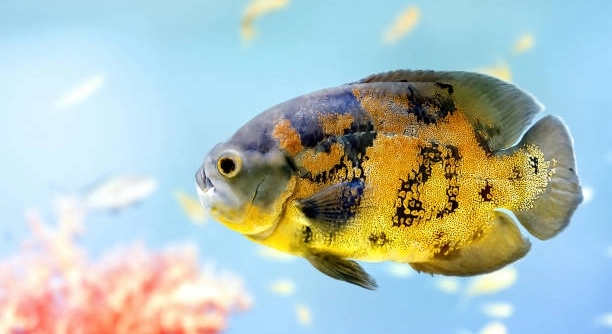
Do you ever find yourself watching your Oscar fish and wondering if its odd behavior means something is wrong in the tank?
Oscar fish can display suspicious or unusual behavior even when no immediate threat or issue is present. These actions may stem from their natural intelligence, territorial instincts, or reactions to subtle changes in their environment.
Understanding why this happens can help you build a better connection with your fish and maintain a healthier, more balanced aquarium.
Why Oscar Fish Might Act Suspicious for No Clear Reason
Oscar fish are naturally intelligent and observant, which often leads them to behave in ways that seem odd or suspicious. They might hover in corners, stare at you, or shift suddenly without warning. These actions can happen even when their tank is clean, water parameters are perfect, and they’ve been fed. Sometimes, they react to minor things you might not notice, like a new object near the aquarium or a slight change in lighting. Their behavior might also be influenced by boredom or their natural instinct to protect their territory, even if there’s no actual threat. Since Oscars are known to be interactive with their environment, their responses are not always predictable. This doesn’t always mean something is wrong. It can just be part of how they express awareness or react to small environmental cues. Understanding this helps prevent unnecessary worry when your fish is simply being alert.
It’s common for Oscar fish to seem moody or unpredictable, especially in stable tank conditions. These behaviors are usually harmless and short-lived.
Spending time near their tank and keeping a regular routine can help Oscar fish feel secure. They often respond well to familiar surroundings, consistent feeding schedules, and gentle movements around the aquarium.
Environmental Triggers and Mental Stimulation
Even small changes in their environment can cause Oscar fish to behave strangely. Shifts in temperature, water flow, or lighting may lead to cautious or withdrawn behavior. Loud noises or tapping on the glass can also startle them. Sometimes, rearranging decorations or adding tank mates can affect their comfort level. It’s important to remember that Oscar fish are sensitive to their surroundings and often need time to adjust when anything changes. They might stay still, hide, or act as though something is wrong when they are simply processing new stimuli. Giving them a familiar, low-stress space helps keep their behavior more balanced. Make sure their environment remains steady, with predictable lighting and water quality. This consistency reduces unnecessary stress and encourages calm behavior, even when they seem a bit off.
A bored Oscar fish may also act suspiciously. Without stimulation, it may react dramatically to minor changes, or show signs of frustration. Adding new visual elements or training them to respond to hand signals can help engage them.
Monitoring Health Without Overreacting
Oscar fish can sometimes act differently when they’re feeling off, but not all strange behavior is tied to illness. It’s best to observe patterns before jumping to conclusions or making unnecessary changes to the tank setup.
If your Oscar fish begins acting suspicious but still eats, swims normally, and shows no visible signs of illness, it might just be a mood shift or reaction to something small. However, if the odd behavior continues for several days or worsens, look more closely. Check water parameters, tank temperature, and filtration. Also, inspect your fish for any physical changes like cloudy eyes, redness, or spots. Keeping a calm and steady approach avoids unnecessary stress for both you and the fish. Sometimes, giving it space and monitoring quietly is the best course of action, especially if everything else in the tank appears to be in order.
Stress is often mistaken for illness. A stressed Oscar may hide more, stop responding to movement, or seem jittery. Stress can come from overcrowding, poor water quality, or sudden changes in lighting or noise. When you rule out disease and physical symptoms, try removing new stressors. A peaceful tank with stable lighting, temperature, and quiet surroundings often helps your Oscar return to its usual behavior.
Building Trust Through Routine
Oscar fish recognize patterns and often react well to a consistent daily routine. Feeding them at the same time, keeping tank surroundings familiar, and limiting sudden movement near the glass can help reduce suspicious behavior and encourage trust.
Spending time near the aquarium without making direct noise or movement can help your Oscar become more comfortable with your presence. Over time, they may approach the glass more often or even follow your hand. These are signs they’re becoming more secure. Always move slowly when doing water changes or feeding. Loud noises, shadows, or fast motions can trigger defensive actions. Also, try to avoid rearranging decorations too often. Once your Oscar associates you with safe, positive experiences like feeding and calm interaction, its strange behaviors tend to reduce. Routine provides a sense of safety, and a calm environment supports more natural, relaxed behavior over time.
Behavior Without Clear Triggers
Oscar fish may sometimes act out for no obvious reason. They might hover in corners, avoid attention, or suddenly become more active. These shifts often pass quickly and may not be linked to any real issue.
Some behavior changes are just part of their personality. Like many fish, Oscars can have mood swings. One day they seem shy, the next day they’re playful. If all tank conditions are stable and the fish is healthy, these changes are usually nothing to worry about.
When to Take Action
If strange behavior becomes constant or starts affecting their eating, breathing, or swimming, it’s time to look deeper. Test the water, check the filter, and observe for injuries or odd markings. Sometimes, something small—like a new background, lighting shift, or outside movement—can create lasting unease. Try to reverse recent changes one at a time to see if the behavior improves. If that doesn’t help, consider isolating the fish briefly or seeking advice from a trusted aquarium professional. Taking a calm and careful approach helps you avoid overreacting while still protecting your fish’s well-being.
Final Thoughts on Observing Oscars
It’s normal for Oscar fish to behave oddly now and then. Watch closely, stay calm, and adjust only when truly necessary.
FAQ
Can Oscar fish behave strangely even if everything seems fine in the tank?
Yes, Oscar fish are intelligent and expressive, and sometimes they act oddly for reasons that are not immediately clear. This may include hiding, acting jumpy, flaring gills, or ignoring you. If there are no visible signs of illness and water conditions are stable, it’s usually not serious. These behaviors may simply reflect a temporary mood or reaction to minor environmental shifts, such as a loud noise, a new scent, or changes in household activity.
Why does my Oscar fish stare at me?
Oscar fish are known to stare at their owners, and this behavior is usually a sign of awareness and curiosity. They may associate you with feeding time, and staring can be their way of getting attention or trying to communicate. It’s often harmless and even a good sign that your fish is alert and socially aware of its surroundings.
Is it normal for an Oscar to sulk after a water change?
Yes, sulking after a water change is common. Oscar fish can be sensitive to even slight changes in water temperature or chemistry. After a water change, they may sit at the bottom, face the corner, or avoid movement for a while. This reaction tends to pass once they readjust. Try to make water changes gentle and consistent to reduce stress.
Can Oscar fish get bored and act out?
Oscar fish are intelligent enough to become bored, especially in small or bare tanks. Boredom can lead to pacing, glass surfing, or aggressive behavior. Adding hiding spots, rearranging decorations occasionally, and interacting with them through the glass can help keep them mentally stimulated. Boredom is not always the cause of odd behavior, but it can be a factor in repetitive actions.
Do Oscar fish act suspicious when sick?
Yes, early signs of illness can include behavior that looks suspicious—like hiding more often, breathing heavily, ignoring food, or staying near the surface. These signs may appear before visible symptoms like spots or swelling. If behavior changes are persistent, test your water, observe them closely, and consider isolating the fish if needed.
Why does my Oscar hide more than usual?
Oscars may hide when they feel insecure, are adjusting to a new environment, or are stressed by tank mates or changes. If hiding is new behavior, review recent changes in lighting, décor, or water quality. Ensure there are no aggressive tank mates or external disturbances like loud music or tapping on the glass.
Can Oscar fish become aggressive for no reason?
They can appear to, but there’s usually a trigger, even if it’s not obvious. It could be hormonal changes, territory defense, a reflection in the glass, or a shift in routine. Temporary aggression isn’t always a sign of a deeper issue, but if it becomes frequent, reassess the tank setup and their environment.
Should I change anything if my Oscar just seems off?
Start with small observations rather than big changes. Check water parameters, watch their eating and swimming habits, and rule out signs of injury or illness. If everything seems normal, give it a few days before making any adjustments. Oscars often return to normal on their own when left undisturbed.
Final Thoughts
Oscar fish can sometimes act in ways that seem unusual, even when everything appears normal. These changes in behavior may include hiding, ignoring food, swimming differently, or reacting to small movements outside the tank. While this might feel alarming, it is important to remember that not all changes are signs of something serious. Oscar fish are naturally expressive and curious. Their moods can shift, and they often react to things we may not notice right away. A slight change in light, a sound in the room, or even your presence near the tank can trigger different responses.
When these behaviors do not last long, there is usually no need for concern. Oscars may just be adjusting to their environment, reacting to a recent event, or simply having a quieter day. However, if their behavior remains unusual for more than a day or two, it’s helpful to take a closer look. Check the water temperature, ammonia and nitrate levels, and other water parameters. Also, make sure their tank is clean and that all equipment is working properly. Try to remember if you’ve recently moved anything in the tank or made any changes that could cause stress. Sometimes, something as small as a new decoration or sudden movement near the tank is enough to make them uneasy.
Paying attention to patterns can help you better understand your Oscar fish. Try to observe their habits without disturbing them too much. If the fish is still eating, swimming normally most of the time, and not showing signs of illness or injury, it’s likely that the behavior will pass. But if you notice serious symptoms like rapid breathing, clamped fins, strange marks, or trouble swimming, it’s best to take action. Testing the water, making small adjustments, and reaching out for help when needed can prevent problems from getting worse. Being calm and patient will help you care for your fish without overreacting to every small change. In time, you’ll become more confident in telling the difference between a normal mood shift and something that needs attention.

Hello,
If you enjoy the content that we create, please consider saying a "Thank You!" by leaving a tip.
Every little bit helps us continue crafting quality advice that supports the health, happiness, and well-being of pets around the world, for pets of all shapes, sizes, and species.
We really appreciate the kindness and support that you show us!