
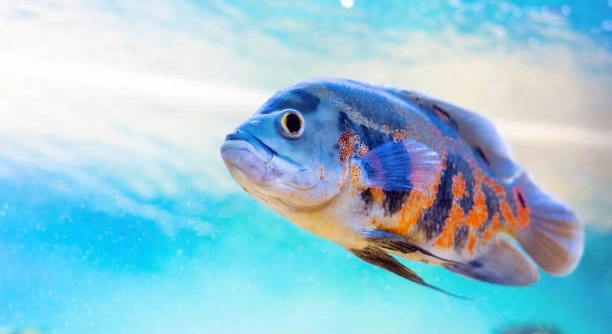
Oscar fish are fascinating creatures with distinct behaviors that can reveal a lot about their health and well-being. Observing their actions can provide valuable insight into their environment and needs. These behaviors are key for understanding their care.
Oscar fish exhibit a variety of behaviors that include aggressive territoriality, interaction with tank mates, and feeding patterns. Noticing changes in these behaviors can help identify potential issues such as stress or illness. Understanding them can improve care.
Recognizing these behaviors will help you maintain a healthy and thriving tank environment. From their eating habits to social dynamics, there’s much to learn about Oscar fish.
Oscar Tank Behavior: Territorial Aggression
Oscar fish are known for their territorial nature. They often establish and defend a specific area within the tank. If you have multiple Oscars or other fish in the same tank, you might notice them displaying aggressive behaviors such as chasing, flaring their gills, or nipping at each other. This behavior is especially common when Oscars feel their space is being invaded. Understanding this aggression is important for setting up an environment where your fish can feel secure. Providing plenty of hiding spots and sufficient space can help reduce the intensity of these behaviors.
Oscars are highly protective of their space. Providing adequate tank size and hiding spots can significantly reduce aggression.
The size of the tank plays a huge role in reducing territorial aggression. Oscars need plenty of room to move around and establish their territory. If the tank is too small, they may feel cramped and constantly challenge their tank mates. Additionally, adding plants, rocks, and decorations offers hiding places, which can help diffuse tension between fish. Be mindful of adding too many new fish to the tank, as Oscars may see them as threats and become more territorial. Understanding and managing territorial behavior is key to maintaining a peaceful environment for your Oscars.
Feeding Habits: Observing Eating Behavior
Oscar fish are aggressive eaters, often displaying excitement when food is introduced to the tank.
They are opportunistic feeders and may snatch food quickly, sometimes even taking food from other tank mates. Oscars tend to eat a variety of foods, including pellets, live food, and frozen options. Watching how they react to different food types can provide insight into their overall health. If your Oscar is refusing food or eating unusually, it could be a sign of stress or illness.
Swimming Patterns: Understanding Movement
Oscars have specific swimming patterns that indicate their comfort level in the tank. When they are calm, Oscars tend to swim steadily across the tank, often in a relaxed manner. However, if they feel threatened or stressed, their movements can become erratic and fast. This change in behavior is often a sign that something is off in their environment. It could be related to water quality, tank mates, or their overall health.
A steady and calm swimming pattern is often a sign that the Oscar is comfortable in its tank. If you notice rapid or jerky movements, it’s worth investigating further. Stress can trigger these movements, which may affect their health over time. Oscars may also swim in circles or along the glass if they’re not getting enough space or stimulation. Monitoring their swimming habits helps determine if they need adjustments in their environment, like more space or changes in water conditions.
Oscars are naturally active fish. If they’re swimming aimlessly or appear to be pacing, it’s crucial to consider environmental factors. A common cause for erratic behavior is poor water quality, which can affect their overall well-being. Adding plants, decorations, and even creating different zones in the tank can help reduce the feeling of confinement. Making sure the tank is large enough and well-maintained will allow them to feel more at ease and decrease stressful movements.
Aggression Towards Tank Mates
Oscars can be very aggressive towards other tank mates, especially smaller fish or those that enter their territory. This aggression can manifest in chasing, biting, and even attempting to eat smaller fish. They are known to be solitary by nature, and their aggression increases during mating or breeding seasons. If you notice your Oscar becoming more aggressive, it may be due to environmental stressors or a desire to assert dominance.
Keeping Oscars with compatible fish is key to maintaining a peaceful tank. It’s best to pair them with larger, more robust fish that can hold their own. However, even with compatible tank mates, Oscars may still show territorial aggression. It’s important to monitor their behavior and ensure that the other fish are not being bullied or injured. If aggression is a concern, it may be worth separating the Oscars to avoid stress or injury to other fish.
Breeding Behavior: Signs of Mating
Oscar fish exhibit unique behavior during mating season. Males typically become more aggressive, guarding their chosen breeding site. Females may appear slightly rounder and will engage in spawning rituals with the male. Watching for these changes can help you prepare for potential breeding.
During mating, Oscars may start cleaning a flat surface, such as a rock or aquarium glass. The female will deposit eggs, and the male fertilizes them. Both parents often take turns guarding the eggs from potential threats, including other fish. Observing this behavior is important to understand their needs during breeding.
Interaction with Their Environment
Oscars are very interactive with their surroundings. They enjoy exploring their environment and will often interact with decorations and plants. This behavior helps keep them mentally stimulated. If you notice your Oscar becoming less active, it might be a sign of boredom or stress.
Adding new items to the tank can encourage Oscars to explore more. They appreciate tanks with plenty of space and enrichment to swim through. Changing their environment every so often can also help keep their behavior lively and prevent them from becoming agitated.
FAQ
How do I know if my Oscar is stressed?
Stress in Oscar fish is often indicated by unusual swimming patterns, such as erratic or aggressive movements. They might also refuse food or hide more than usual. Another common sign of stress is when they develop pale coloration or exhibit changes in their breathing rate. Regular monitoring of water quality and tank conditions can help prevent stress.
What size tank do Oscars need?
Oscars require a minimum tank size of 55 gallons, but larger is better. Ideally, a 75 to 100-gallon tank allows them to swim freely and reduces territorial aggression. A larger tank also helps maintain better water quality, which is crucial for their health.
Can I keep multiple Oscars together?
Yes, you can keep multiple Oscars together, but it requires ample space and careful observation. They are territorial, especially during breeding seasons, and may fight if they feel crowded. A tank of 100 gallons or more is recommended for two Oscars. Monitoring their behavior closely will help you determine if they can coexist peacefully.
What fish can live with Oscars?
Compatible tank mates for Oscars include other large, robust fish like silver dollars, plecos, and large catfish. Smaller fish are generally not a good idea because Oscars may see them as prey. Always consider the temperament and size of any fish before adding them to an Oscar tank.
Why is my Oscar hiding all the time?
If your Oscar is hiding constantly, it could be a sign of stress, illness, or poor water quality. It may also hide if it’s feeling threatened by other fish or tank mates. Check the water parameters, such as pH, ammonia, and nitrate levels, to ensure they’re within the ideal range.
How often should I feed my Oscar?
Oscar fish should be fed once or twice a day, depending on their size and activity level. Overfeeding can lead to water quality issues, so it’s important to provide the right amount. A varied diet, including pellets, live food, and frozen options, is ideal for their health.
What is the best diet for an Oscar fish?
Oscars are omnivores, meaning they need a balanced diet that includes both animal and plant matter. High-quality pellets can be a staple, but supplementing with live food, such as feeder fish or worms, as well as vegetables, is important. Variety ensures they get all the necessary nutrients.
How can I tell if my Oscar is sick?
Sick Oscars may show symptoms like faded colors, labored breathing, loss of appetite, or unusual swimming patterns. Look for physical signs such as lesions, torn fins, or swelling. If any of these occur, it’s best to isolate the fish and consult a vet with experience in aquatic animals.
How do I reduce aggression in my Oscar tank?
To reduce aggression, provide plenty of hiding spots and decorations to break up sight lines. A larger tank will also help reduce territorial disputes. Avoid overcrowding and ensure that tank mates are similarly sized and not overly aggressive. If aggression persists, separate the Oscars or move some fish to a different tank.
Do Oscars need a heater?
Yes, Oscars are tropical fish and require warm water temperatures, usually between 74°F and 81°F (23°C to 27°C). A reliable aquarium heater will maintain a stable temperature, which is crucial for their health. Sudden temperature changes can cause stress or illness.
How long do Oscars live?
Oscars typically live for 10 to 15 years in captivity when properly cared for. Some have been known to live even longer with optimal conditions. Regular water changes, proper feeding, and maintaining tank health can extend their lifespan.
Why is my Oscar swimming upside down?
If your Oscar is swimming upside down, it may be experiencing a swim bladder issue. Swim bladder problems can cause buoyancy issues, preventing the fish from maintaining a normal position in the water. This could be caused by overfeeding, stress, or illness, so it’s important to investigate further.
Can Oscars change color?
Yes, Oscars can change color based on their environment, mood, and health. Stress, water quality, or temperature fluctuations can cause them to lose some of their vibrant hues. They might also darken or lighten as they mature. A healthy, stress-free Oscar will typically display its brightest colors.
Should I add plants to my Oscar tank?
Adding plants to an Oscar tank can be beneficial, but be mindful of the fish’s tendency to uproot or damage them. Opt for hardy plants like Java fern or Anubias that can withstand the Oscars’ behavior. Plants help maintain water quality and provide hiding spots, but they may need to be replaced occasionally due to Oscar activity.
What water parameters should I maintain for my Oscar?
The ideal water parameters for an Oscar fish are:
- pH: 6.5 to 7.5
- Ammonia: 0 ppm
- Nitrite: 0 ppm
- Nitrate: below 40 ppm
Maintaining these levels is essential for the health of your Oscar. Regular water testing and changes will help keep the water safe for your fish.
Can I keep Oscars with other fish?
Oscars can be kept with certain large fish, but they are territorial and may not tolerate smaller or more peaceful tank mates. Be sure to choose fish that can handle the Oscar’s aggression and size. Fish like cichlids, large catfish, and some types of plecos can work well together.
Final Thoughts
Oscar fish are fascinating creatures that can bring a lot of joy to an aquarium. Their intelligence and bold personalities make them stand out among other freshwater species. However, they do require attention to detail when it comes to their care. Ensuring the right tank size, water conditions, and diet are crucial for their well-being. Proper maintenance and understanding their behavior are key to providing a healthy environment. It’s essential to make sure that their space is spacious enough and that water quality is constantly monitored to avoid any stress or illness.
Their social behavior can be both intriguing and challenging. Oscars may show aggression, especially when they feel threatened or when they are in the breeding phase. Observing their interactions with other fish is vital, as this will help determine what tank mates are suitable. With careful attention, you can reduce aggression and ensure that your Oscar fish have a peaceful environment. It’s also worth noting that they may sometimes get territorial, so providing hiding spots and adequate space can reduce any unnecessary conflicts. Knowing when to intervene can prevent issues from escalating and promote a harmonious tank atmosphere.
In conclusion, keeping Oscar fish can be a rewarding experience if you are well-prepared. They need more space, care, and understanding than many other aquarium fish, but the effort is worth it. Regular monitoring of water conditions, feeding practices, and social interactions will help them thrive. While they may present challenges, the unique behavior and stunning appearance of Oscars make them an exciting addition to any aquarium. By creating an ideal environment and observing their behavior, you can enjoy the companionship of these impressive fish for many years.

Hello,
If you enjoy the content that we create, please consider saying a "Thank You!" by leaving a tip.
Every little bit helps us continue crafting quality advice that supports the health, happiness, and well-being of pets around the world, for pets of all shapes, sizes, and species.
We really appreciate the kindness and support that you show us!