
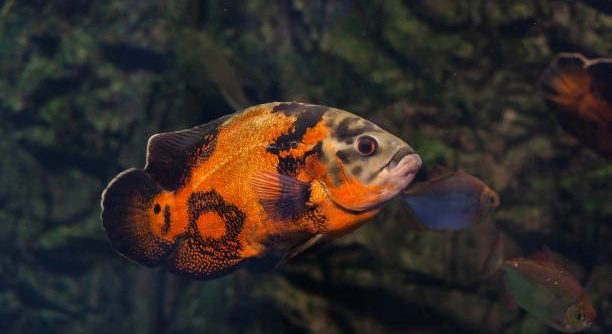
Have you ever cleaned your fish tank only to notice your fish acting oddly afterward, leaving you feeling a bit unsure?
After tank maintenance, fish and aquatic creatures may display unusual behaviors due to sudden environmental changes. Altered water parameters, temperature shifts, or disrupted bacteria balance can lead to stress, confusion, or even temporary illness.
These small shifts might seem harmless at first, but understanding their impact can help prevent long-term problems and ensure your tank remains a stable environment.
Cloudy Water Appears Without Warning
Right after maintenance, it’s not uncommon for the water to turn cloudy, even if everything was just cleaned. This can happen because beneficial bacteria that help keep the tank balanced were disturbed or removed during the cleaning process. These bacteria live in the filter and substrate, and when they’re disrupted, the water chemistry shifts. This often results in a bacterial bloom, which makes the water look milky. Overfeeding right after maintenance or leftover debris can also contribute to cloudiness. While it may look alarming, this issue usually resolves on its own as the bacteria reestablish themselves. It’s important not to overcorrect by adding chemicals or performing another cleaning, as that may make things worse. Let the tank stabilize for a few days and monitor the fish closely for stress or odd behavior. Keep lights on a regular cycle and avoid adding new fish during this time.
Give the tank some time to settle and avoid changing too many things at once. Let nature rebalance itself.
If the water remains cloudy for more than a week, you can test the water parameters to check for issues with ammonia or nitrite levels. Adding a bacteria supplement can also support faster recovery. Make sure your filter is running properly and isn’t clogged. Clean only one filter media at a time to avoid losing too much bacteria. During future maintenance, try to vacuum the substrate gently and avoid cleaning everything all at once. This helps preserve the microbial life that keeps your water clear and your tank healthy. Stability is more important than extreme cleanliness in aquariums, and small consistent efforts are better than deep overhauls.
Fish Swimming Near the Surface
Fish may hover at the top of the tank after a water change, especially if there was a large temperature difference or loss of oxygen during the cleaning.
When oxygen levels drop, fish instinctively swim near the surface where oxygen is more concentrated. This often happens if filters are turned off too long or if too much water is added at once without proper conditioning. Tap water can also contain chlorine or chloramine, which affects gill function and leads to surface swimming. It’s important to use a water conditioner and match the new water’s temperature to the tank’s. Gentle stirring or using an air stone helps maintain oxygen levels. In some cases, fish will return to normal behavior within an hour. If the behavior continues, it may be a sign of water quality issues. Use a reliable test kit to check pH, ammonia, nitrite, and nitrate levels. Addressing the root cause calmly will help your fish recover faster.
Snails Climbing Out of the Tank
Snails often climb above the waterline after maintenance because of sudden shifts in water parameters. This includes changes in pH, temperature, or a drop in oxygen levels. It can also signal that something in the water is irritating or unsafe for them.
When water changes are too drastic, snails may respond by trying to escape the tank entirely. This behavior is a natural reaction to discomfort. Some snails are sensitive to high nitrate or ammonia levels, which may spike if beneficial bacteria were disturbed during cleaning. Always condition the replacement water and make sure it’s close in temperature to the existing tank water. Test water parameters after cleaning to ensure everything is balanced. If snails continue escaping, reduce the amount of water changed at once during future maintenance. Slowly adjusting tank conditions is easier on your tank’s inhabitants and keeps stress behaviors to a minimum.
In rare cases, snails may climb up simply out of curiosity or to explore, especially if they have done it before. But if this behavior starts only after cleaning, it’s often a signal of discomfort. Check for leftover cleaning agents, residue on tools, or strong-smelling additives. Even slight traces of soap or unfiltered tap water can trigger this kind of reaction. Keep lids closed, and provide a stable environment to encourage snails to stay below the surface. Over time, they usually return to normal once the tank conditions are steady and safe again.
Fish Hiding More Than Usual
Fish may hide more frequently after maintenance due to sudden environmental disruption. Loud noises, moving decorations, or unfamiliar water flow can leave them feeling insecure and unsettled.
Cleaning the tank can alter their sense of safety. Removing plants or moving structures disorients them. If the filter output is stronger than usual or water temperature drops, fish may seek cover until they feel safe again. Stress also suppresses normal activity, making them more likely to retreat behind decor or into corners. To help, restore items to their original spots as best you can, and keep lighting soft for a day or two. Avoid tapping the glass or hovering near the tank for long periods. Over the next few days, their behavior should gradually return to normal. If it doesn’t, check for signs of illness or poor water quality. Stability and consistency are key to helping them feel secure again.
Shrimp Turning Pale in Color
Shrimp may lose their color after a water change due to stress. A sudden shift in temperature or water chemistry can impact their pigment. This change is usually temporary and should improve as the shrimp adjust to their environment again.
Using water that is too cold or not properly treated with dechlorinator can affect their health. Always check the temperature before adding new water and handle shrimp tanks gently during maintenance. Minimizing disturbances helps reduce stress and supports quicker color recovery.
Sudden Spike in Algae Growth
A fast algae bloom after maintenance usually comes from excess light or nutrient imbalance. Cleaning the tank can stir up organic matter and increase nutrients like phosphates and nitrates. If the lights are on too long or water is left exposed to sunlight, algae grows faster. To control it, keep lighting on a set schedule, avoid overfeeding, and test nutrient levels regularly. A partial water change (no more than 25%) once or twice a week can help keep algae in check. Adding live plants can also absorb extra nutrients and compete with algae, reducing its spread.
Filter Sounds Louder Than Before
If the filter becomes louder after cleaning, it might have trapped air bubbles or wasn’t reassembled correctly. Check for loose parts, rinse the impeller, and make sure water is flowing evenly.
FAQ
Why do my fish swim upside down after tank maintenance?
Fish swimming upside down or behaving unusually after maintenance might be a sign of a serious problem, such as a change in water parameters. This could be due to a sudden shift in water temperature, pH, or a drop in oxygen levels. After cleaning, ensure that the water you’re adding is properly conditioned and matches the temperature of the tank water. It’s also important to test the water for ammonia, nitrites, and nitrates. If these levels are off, the fish might be stressed or even poisoned by harmful substances. Always give the tank time to stabilize before adding any new fish.
What should I do if my fish are hiding all the time after a water change?
Hiding after a water change is fairly common, especially if the tank was disturbed during maintenance. The noise from moving decorations or the sudden change in water conditions can stress fish. To help them feel safe, avoid tapping on the glass or hovering near the tank. Give them space to adjust. If hiding continues for several days, check the water parameters for any changes in temperature, pH, or oxygen levels. If everything looks good, try adding a few decorations or plants to give them hiding spots. It’s important not to overfeed during this time, as excess food can spoil and further stress the fish.
How can I stop my tank water from turning cloudy after cleaning?
Cloudy water after tank cleaning is often caused by a bacterial bloom, which happens when the beneficial bacteria in the tank are disturbed. This can occur when the filter is cleaned too thoroughly or too many changes are made at once. To prevent this, avoid over-cleaning during maintenance, and always leave a portion of the filter media dirty to preserve some bacteria. If cloudiness occurs, check the water quality for ammonia or nitrite spikes and adjust accordingly. Adding live bacteria to the tank can help speed up the recovery process. Patience is key as the bacteria population re-establishes itself.
Why do snails try to climb out of the tank after maintenance?
Snails may attempt to climb out of the tank if they’re stressed by changes in their environment, such as a sudden drop in water temperature, changes in pH, or if the water has been treated with chemicals. It could also be a response to low oxygen levels. If your snails start climbing after a water change, check the water temperature and parameters to ensure they are stable. Make sure that you are using water conditioners when adding tap water to the tank. If snails continue trying to escape, try adjusting the water flow or providing more hiding spots in the tank.
How can I prevent fish stress after water changes?
Fish stress after water changes is often caused by sudden shifts in the tank’s water chemistry or temperature. To prevent this, always match the temperature of the new water with the tank’s water, and use a dechlorinator if you’re adding tap water. Avoid making drastic changes to the tank’s environment during cleaning. Try to vacuum the substrate gently without disturbing the filter too much, and only clean one filter media at a time. It’s also helpful to do partial water changes instead of large ones to prevent shocking the system. Reducing noise and vibrations during the maintenance can also minimize stress on your fish.
Why do my fish act aggressive after maintenance?
Aggressive behavior in fish after tank maintenance can be triggered by stress or environmental changes. The disturbance of cleaning may upset their routine or remove familiar structures from their environment, making them feel insecure. Aggression can also occur if there is a change in water temperature, pH, or if the tank is overcrowded. To reduce aggression, try to maintain consistent water conditions and avoid rearranging decorations too much. If aggression persists, consider adding more hiding spots, such as plants or caves, and make sure the tank isn’t overcrowded.
Why do my plants start to die after cleaning the tank?
If your plants start to die after cleaning the tank, it could be due to changes in water chemistry, especially if the cleaning disrupted the delicate balance of nutrients or beneficial bacteria. A sudden change in light or temperature can also affect plant health. To avoid this, make sure the water parameters remain stable after maintenance, and try not to disturb the substrate too much. Some plants are sensitive to changes in the water, so be gentle when cleaning around them. You may also need to add liquid fertilizers if you’ve removed too much plant matter or disturbed the roots.
What should I do if my filter is making noise after maintenance?
If the filter starts making noise after cleaning, it may have trapped air or the impeller may be clogged. To fix this, turn off the filter and check for any blockages in the intake or impeller area. Cleaning the filter should include removing debris but avoiding disassembling it completely, as it can disturb the bacteria colony. If the noise persists, try adjusting the water flow or positioning of the filter. Sometimes, air can get trapped during a water change, causing the filter to make gurgling sounds. Allowing the filter to run for a while and checking its parts can usually fix this problem.
Can water changes cause fish to die?
Water changes themselves don’t usually cause fish to die, but poorly executed water changes can create harmful conditions. Adding water that is too cold, untreated tap water with chlorine, or causing large swings in pH or temperature can stress the fish or even lead to fatal conditions. To prevent this, always match the water temperature and condition the water with a dechlorinator before adding it to the tank. Don’t change more than 25% of the water at once, as this can destabilize the environment too quickly. Always test the water parameters and make adjustments slowly to keep your fish healthy.
Should I stop feeding my fish after maintenance?
It’s not necessary to stop feeding your fish after maintenance unless they are showing signs of stress, like hiding or swimming erratically. If you’ve done a water change, the fish may be a bit more sensitive, so it’s a good idea to feed them a smaller portion of food for the first few hours after cleaning. Be careful not to overfeed, as leftover food can pollute the water. If the fish are not eating or acting stressed, it might be better to wait until they settle down before offering more food.
After tank maintenance, it’s normal for your fish and aquatic creatures to exhibit some unusual behaviors. Whether it’s cloudy water, fish hiding, or snails climbing out, these reactions are often due to changes in the tank environment. Water parameters like temperature, pH, or oxygen levels can fluctuate during maintenance, leading to stress. While it can be worrying, most of these behaviors are temporary and will subside once the tank stabilizes. It’s important to stay calm, observe the situation, and avoid overcorrecting, as this can often make things worse.
To prevent future stress, try to make changes gradually and avoid disturbing the tank too much. For example, when cleaning the tank or performing water changes, be sure to match the new water’s temperature and use a dechlorinator. Keeping the filter and other equipment in good working condition is essential for maintaining stable water quality. It’s also helpful to monitor your fish’s behavior regularly so you can spot any early signs of stress. If an issue does arise, addressing it quickly can prevent further complications.
In the long run, the key to a healthy and thriving aquarium is consistency. Small, regular maintenance tasks will keep the tank in balance and reduce the likelihood of causing stress to its inhabitants. It’s also helpful to educate yourself on the specific needs of the species you have in your tank. Every fish and creature may react differently to changes, so understanding their behaviors can help you respond more effectively. With patience and careful attention, you’ll be able to maintain a stable and comfortable environment for your aquatic pets.

Hello,
If you enjoy the content that we create, please consider saying a "Thank You!" by leaving a tip.
Every little bit helps us continue crafting quality advice that supports the health, happiness, and well-being of pets around the world, for pets of all shapes, sizes, and species.
We really appreciate the kindness and support that you show us!