
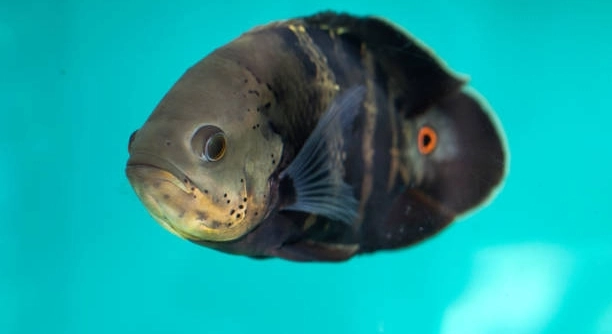
Have you ever watched your Oscar fish and noticed they seem to expect food or attention at the same time each day?
Oscar fish are capable of learning daily routines through repeated exposure and consistent reinforcement. They associate specific times and cues with feeding, interaction, or environmental changes, showing clear behavioral responses that align with those patterns.
By looking at their habits more closely, you’ll notice how routine and consistency shape their behavior and daily activity.
How Oscar Fish Recognize Patterns in Their Environment
Oscar fish are quick to recognize patterns when their environment stays consistent. If you feed them at the same time every day, they start to gather near the surface as the time approaches. They may even react to the sound of footsteps or the lid opening. Lighting schedules also play a role, as predictable changes in light help them anticipate feeding or rest periods. Over time, they develop responses that match these routines. Oscar fish can also become reactive to movement near the tank, showing they connect external cues with specific outcomes. This recognition doesn’t happen overnight—it’s a result of regular and repeated events. Maintaining a stable environment helps reinforce this behavior. Changes in water parameters, tank mates, or room activity can disrupt it. By keeping a predictable setting, you help your Oscar fish feel secure and more interactive in their daily routines.
Oscar fish rely on consistency. If conditions change too often, they may stop responding to routine cues entirely.
Providing regular feeding times, light cycles, and tank maintenance builds a stable environment that encourages recognition and responsiveness. When these elements stay consistent, Oscar fish adapt quickly, becoming more active and interactive. This helps reduce stress and creates a better experience for both the fish and the owner.
How They React to Routine Interruptions
Oscar fish can become confused or stressed when routines are disrupted, especially if changes are sudden or frequent.
Unexpected changes in feeding schedules or lighting often lead to noticeable shifts in behavior. Your Oscar fish may become less responsive, hide more often, or even skip meals. These reactions are their way of showing discomfort or uncertainty. When routines are interrupted, it takes time for them to adjust and relearn new patterns. Loud noises or moving the tank location can also contribute to stress. While some fish adapt quickly, Oscars tend to prefer familiarity. If you’re making adjustments to their routine, do so slowly. Gradual changes help reduce the shock and make it easier for your fish to adapt. If behavior changes become severe or last longer than expected, consider checking for water quality issues or health problems. Routine disruptions should be limited when possible, especially during feeding and resting hours, to keep their behavior stable and predictable.
What Reinforces Their Learning Each Day
Repetition and consistency help Oscar fish learn. When feeding, cleaning, and light changes happen at the same times daily, they begin to expect these events and adjust their behavior based on predictable patterns.
Positive reinforcement is key. If you feed them shortly after turning on the lights, they begin to associate that cue with food. Consistently rewarding a specific behavior with food or attention builds recognition. Even brief interactions, like tapping the glass before feeding, can become learned signals. The more consistently you repeat a routine, the more your Oscar will connect the sequence of events with an outcome. These learned associations encourage your fish to respond actively at certain times or to specific actions. With enough repetition, Oscar fish begin to anticipate activities before they happen, showing how their memory and behavior adapt over time.
Their ability to recognize and respond to daily events grows stronger when routines are backed with clear and consistent signals. Whether it’s the sound of a container opening or the timing of the aquarium light, your Oscar will start connecting actions to rewards. If those signals stay reliable, they will reinforce the fish’s sense of routine. Maintaining this pattern helps keep your Oscar engaged and reduces anxiety caused by unpredictable changes.
Signs Your Oscar Fish Has Learned a Routine
Oscar fish that have learned a routine often swim to the surface when it’s feeding time. They may also hover near where food is usually dropped or become more active when lights turn on or off.
You might notice them pacing or watching closely when you walk into the room. These actions show they expect interaction or food based on previous experiences. Their movements often match the timing of daily tank activity, showing how familiar they are with your habits.
When Routine Learning Slows Down
Changes in environment, stress, or age can slow an Oscar fish’s response to routines. If water quality drops or there are frequent disturbances, your fish may act more withdrawn or stop responding to familiar cues. Older Oscars may also learn new patterns more slowly. To help, reduce tank disruptions and keep feeding and maintenance consistent. A calm, predictable environment gives them the structure they need to stay alert and responsive. If your Oscar seems less aware, check for stressors and make gradual improvements rather than changing everything at once.
Why Stability Matters for Oscars
Keeping a stable environment allows Oscar fish to feel safe and confident. It supports their ability to recognize daily cues and form reliable behaviors.
FAQ
Do Oscar fish remember people?
Oscar fish can recognize and remember individuals, especially if you are the one who feeds them. They are able to associate your appearance and movements with food and other interactions. This can make them more active or excited when you approach the tank. They have good memory retention for routine events, which extends to recognizing faces or voices associated with their feeding schedule. While they may not form deep bonds like mammals, they certainly remember their caregivers and can differentiate between familiar and unfamiliar people.
How do Oscar fish react when they learn a routine?
Once Oscar fish learn a routine, their behavior becomes more predictable. They will swim to the surface at feeding time, often waiting near the surface or specific areas where food is typically offered. They may also become more active when the lights go on or off, associating these events with feeding or the start of their active period. Over time, their responses become automatic, showing how well they have connected the cues to their actions. The more consistent the routine, the quicker they will pick up on it.
Can I train my Oscar fish to do tricks?
Oscar fish are not typically known for performing tricks, but they can learn to associate certain cues with actions, like coming to the surface when you tap on the glass or when food is offered. Training them to respond to specific gestures or sounds is possible, though it requires patience. Repetition is key. Start by associating the action with a reward, such as food, and repeat it consistently. Over time, the Oscar fish will begin to anticipate the reward and respond more predictably to the cue. However, their training will be more limited to simple behaviors and routines.
How does the environment affect an Oscar fish’s ability to learn routines?
The environment plays a significant role in an Oscar fish’s ability to learn routines. Consistent water temperature, lighting, and minimal disturbances help the fish stay comfortable and focus on learning. If the environment changes too often, it can confuse the fish and disrupt their recognition of cues. For example, frequent changes in water quality, tank cleaning, or adding/removing tank mates may cause stress, making it harder for the fish to learn or retain routines. A stable and calm environment allows the Oscar fish to feel secure, which is essential for learning and responding to daily patterns.
How long does it take for Oscar fish to learn a routine?
It can take a few weeks for Oscar fish to fully learn a routine, but they will begin to recognize certain cues and patterns within a few days. They may start responding to feeding times, lighting changes, and other environmental factors in a few days to a week if these are consistent. However, the fish’s response to a routine strengthens over time, and they may become more predictable in their behavior the longer the routine is maintained. The key to faster learning is consistency in their environment and daily schedule.
What are signs that my Oscar fish is stressed or not responding to routines?
If your Oscar fish is stressed or not responding to routines, it may exhibit signs such as hiding more often, refusing food, or being less active than usual. Stress can be caused by factors such as poor water quality, changes in tank mates, loud noises, or erratic changes in feeding schedules. If the fish is not responding to feeding cues, it may be a sign of stress, illness, or that their environment is too unstable. In these cases, addressing the source of stress, stabilizing the environment, and gradually reintroducing routines will help the fish recover.
Can Oscar fish learn from other fish in the tank?
Oscar fish can learn from other fish, particularly when it comes to feeding routines. If another fish in the tank reacts to feeding time or other cues, the Oscar may observe and eventually imitate the behavior. While Oscars are known for being more solitary and territorial, they are still capable of learning from their surroundings. Watching other fish respond to routines may encourage the Oscar to follow suit, especially if the other fish is receiving rewards like food. However, the success of this learning can depend on the individual fish and their personality.
What happens if I break my Oscar fish’s routine?
Breaking your Oscar fish’s routine can cause confusion or stress. They rely on routine to feel secure in their environment. If you disrupt their feeding time or light schedule, the fish may become more withdrawn or anxious, and their behavior may change. They could also stop responding to familiar cues, like swimming to the surface when the food is presented. A sudden change can disrupt their sense of time and expectations. To help ease the transition, it is best to gradually adjust their routine, especially if changes are necessary.
Do Oscar fish have a preference for specific feeding times?
Oscar fish do develop preferences for feeding times once they have learned a routine. They may start to anticipate food when they see you at the same time each day, and they often grow more active as the feeding time approaches. While they are not as time-sensitive as humans, their internal clock allows them to recognize patterns and respond accordingly. Maintaining a regular feeding schedule not only helps reinforce their routines but also keeps them more engaged and active. Feeding at the same time daily ensures the Oscar fish stays accustomed to a reliable routine.
Can I change my Oscar fish’s routine once they have learned it?
Changing an Oscar fish’s routine can be challenging, but it is possible. If you need to adjust the feeding time or light schedule, try to do it gradually. Sudden changes can lead to stress or confusion, as the fish rely on routines to feel secure. Adjusting the environment or routine slowly allows the fish to adapt over time. You can also use positive reinforcement, such as offering food at the new time, to encourage the Oscar fish to adjust. Patience is key when making changes to a well-established routine.
Final Thoughts
Oscar fish are intelligent creatures that can learn and adapt to routines with consistent feeding times, lighting, and tank conditions. They are highly responsive to their environment and can recognize patterns, especially when these patterns are reinforced over time. Learning is a gradual process for them, and they rely on stability to feel secure. By maintaining regular schedules for feeding and tank maintenance, Oscar fish can become accustomed to specific activities and even show signs of recognition when you approach their tank. This ability to learn routines highlights their cognitive capabilities and helps create a more interactive experience for both the fish and the owner.
It’s important to remember that the key to an Oscar fish’s ability to learn routines lies in consistency. Any changes to their environment or routine, especially sudden ones, can cause confusion or stress. For instance, switching feeding times or adjusting the lighting unexpectedly may lead to the fish becoming less responsive or more anxious. By sticking to a predictable schedule and ensuring the tank conditions remain stable, you give your Oscar fish the best chance to adapt to the routine and learn from it. Their ability to recognize and respond to routines can deepen the bond between the fish and its caretaker, offering an enhanced experience of care and observation.
While Oscar fish may not be as trainable as other pets, they certainly can form associations and respond to established patterns. Their learning is based on repetition and positive reinforcement, such as associating a specific action with feeding or activity. Understanding the importance of stability in their routine is essential to keeping them healthy and happy. If you maintain a consistent approach, you will likely find that your Oscar fish becomes more interactive and aware of the daily patterns in their tank. In the end, the process of observing and nurturing their routines can strengthen the connection between you and your pet.

Hello,
If you enjoy the content that we create, please consider saying a "Thank You!" by leaving a tip.
Every little bit helps us continue crafting quality advice that supports the health, happiness, and well-being of pets around the world, for pets of all shapes, sizes, and species.
We really appreciate the kindness and support that you show us!