
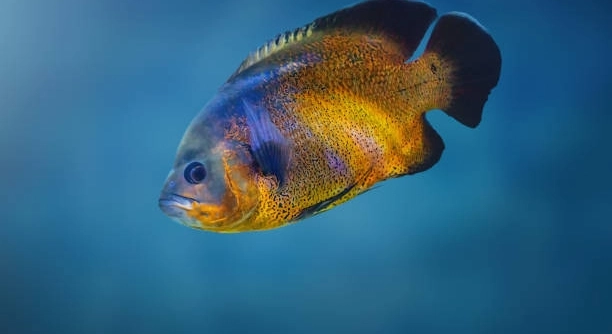
Do you ever notice your Oscar fish acting strangely when you’re not paying attention to them? Their behavior may not be as random as it seems. These fish often find clever ways to get noticed.
Oscar fish try to get attention by flaring their gills, glass surfing, splashing water, or changing color. These behaviors are typically driven by boredom, hunger, or a need for interaction, especially in tanks lacking mental stimulation.
From glass tapping to dramatic sulking, their attention-seeking habits reveal more about their needs than you might expect.
Flaring Gills for Attention
Oscar fish often flare their gills when they want to be noticed. This action can look aggressive, but it’s not always a sign of stress or territorial behavior. Sometimes, it’s simply a way to grab your focus. If you’ve walked by the tank and your Oscar suddenly flares its gills while staring at you, it’s likely trying to communicate. This can also happen around feeding time, as the fish associates your presence with food. The gill flare is a quick way to make itself look larger and more noticeable. In tanks without much going on, these fish may start doing it more frequently. It’s a form of interaction, especially in solo tanks where the Oscar has no other fish to engage with. If the flaring isn’t paired with signs of distress, it’s usually harmless and just a sign that your fish is trying to get your attention in its own bold way.
Gill flaring can also act as a habit formed from routine interaction. Over time, the Oscar may use it regularly to engage with you.
Providing visual stimulation, such as a mirror or background activity, can help satisfy the Oscar’s need for attention without triggering stress or boredom.
Glass Surfing
Glass surfing happens when your Oscar fish repeatedly swims up and down along the tank walls. It can be easy to miss, but it’s often a signal.
Oscars glass surf for several reasons, and attention-seeking is one of them. If the tank is too small or lacks enrichment, this behavior becomes more common. These fish are intelligent and require stimulation. They notice patterns, like when you usually approach the tank or feed them. If nothing is happening and they want interaction, glass surfing begins. It may look like restlessness, but it’s often tied to their environment and routine. The fish tries to signal that it needs something—whether it’s food, activity, or even just your presence. Regular enrichment like rearranging tank décor, introducing floating toys, or offering varied food textures can reduce this behavior. Interaction outside of feeding times also helps. Keeping their environment engaging makes them less likely to resort to attention-seeking swimming.
Splashing Water Out of the Tank
Oscar fish sometimes splash water out of the tank when they want to be noticed. This can happen when they see movement nearby or expect to be fed. It’s loud, messy, and usually intentional.
Oscars use splashing as a bold way to demand attention, especially if it leads to a response. If you rush over when it happens or feed them afterward, the behavior can quickly become a habit. These fish learn routines fast, and any splash that gets them what they want is remembered. Some owners find splashing entertaining at first, but it can become excessive. Try not to reward it every time. Instead, offer other forms of stimulation like floating treats or occasional tank rearrangement to keep their minds busy. Limiting your reaction can also help reduce the frequency. A tank lid is essential to prevent spills and keep things safe when the splashing starts.
This attention-seeking behavior can also stem from boredom or long periods without interaction. Oscars are naturally curious and expressive, and when the environment is too quiet, they often create their own stimulation. Regular activity around the tank and scheduled interaction times help meet their need for attention without the constant mess of splashing. Keep routines balanced to reduce it.
Color Changes
Oscar fish can change color based on their mood, health, or surroundings. Sometimes, they use this shift to get your attention, especially when it’s sudden and followed by active behavior.
Rapid color changes are often tied to interaction or feeding expectations. An Oscar might darken its body when it’s excited or preparing to defend territory, but if the darkening happens right when you walk by or before feeding, it may be seeking engagement. This reaction becomes more noticeable when paired with other behaviors like gill flaring or swimming to the glass. Their ability to adapt color makes it easier for them to stand out, especially in light or neutral tank setups. Watching for patterns helps you understand whether the shift is attention-related or something else like stress or illness.
If your Oscar frequently changes color in response to your movements or presence, it’s likely engaging with you on purpose. These fish are highly observant and learn your habits quickly. You may notice a darker tone when approaching with food or a lighter tone when they’re relaxed. Use these changes as cues, and ensure their tank setup provides visual variety. Proper lighting and consistent care can support healthy, natural color displays and reduce stress-based shifts.
Rearranging Tank Decorations
Oscar fish often move tank items around when they feel bored or ignored. They may push plants, lift rocks, or shift ornaments. This behavior isn’t always territorial—it can be a playful or attention-seeking action meant to get a reaction.
If the fish notices you responding when it rearranges items, it may continue doing it to stay noticed. Oscars are intelligent and enjoy interaction. If the tank stays unchanged for long periods, they may stir things up themselves. Offering occasional changes to the tank layout can help keep them mentally engaged and reduce this behavior.
Begging for Food
Oscar fish beg for food by following your movements, swimming along the glass, and staying near the surface. They recognize feeding routines and quickly connect your presence with mealtime. This behavior isn’t always about hunger—it’s often used to seek attention or interaction, especially when nothing else is going on in their environment.
Staring for Long Periods
Oscar fish may stare at you for long stretches without moving. This still, focused behavior can be a form of interaction. They’re studying your actions, waiting for food, or simply watching out of curiosity. It’s their quiet way of connecting.
FAQ
Why does my Oscar fish always splash water when I walk by?
This is a common way Oscars try to get your attention. They often associate your presence with feeding time or interaction. If splashing causes you to approach the tank, they quickly learn it works. This behavior can start as curiosity but becomes more frequent when it consistently gets a reaction. Try not to reward splashing immediately with food or attention. Instead, keep a routine feeding schedule and offer enrichment like floating toys or treat-dispensing decorations to shift their focus.
Is it normal for my Oscar to keep moving the tank decorations?
Yes, Oscars love to move things around. It’s not just a territorial act—it’s also a form of stimulation. When they feel bored or want interaction, they often shift plants, rocks, and even filters. If you respond by fixing the decor or paying attention, they may do it more. They’re observant and can associate these actions with getting a response. To help, try rotating tank items or changing the setup slightly every now and then. It gives them something new to explore without encouraging constant rearranging.
Why does my Oscar change color when I walk into the room?
Color changes in Oscars are tied to mood, health, and environment. If your Oscar darkens or brightens when you approach, it might be expressing excitement or trying to engage. These fish are highly aware of their surroundings and often react to your presence. If the color shift is sudden and followed by alert behavior, it’s likely not stress but interest. Over time, you’ll notice patterns—like darkening at feeding times or lightening when calm. If the fish eats well and acts normally, the color changes are nothing to worry about.
Can Oscars recognize their owners?
Yes, many owners believe their Oscars recognize them. These fish respond differently to the people they see most often. They may swim up to the glass, follow your movements, or act more energetic when you’re near. While they don’t see you the way a dog might, they recognize patterns, shapes, and routines. If someone new walks by the tank, the Oscar may not react as strongly. This behavior supports the idea that they are capable of individual recognition, especially when consistently fed and cared for by one person.
Why does my Oscar stare at me for so long?
Oscar fish stare when they’re curious or waiting for something. It’s a calm but direct way of showing interest. They may be watching to see if you’ll feed them or change something in the tank. This behavior isn’t aggressive—it’s more about focus and learning. If you’ve just entered the room, they might be trying to understand what will happen next. These fish often observe patterns and movements closely, especially when they’re used to being around people.
Is it okay to play with my Oscar outside of feeding time?
Yes, it’s actually encouraged. Interaction helps reduce boredom and builds a stronger connection. You can engage with your Oscar by moving your finger along the glass or dropping in a floating object for them to explore. Some owners use mirrors occasionally for short periods to create stimulation. However, avoid overdoing it, and give them space to rest too. Play should be gentle and brief. Regular, calm interaction can keep their mind active and may reduce unwanted behaviors like splashing or excessive decoration moving.
Final Thoughts
Oscar fish are expressive and intelligent. Their behaviors, especially when trying to get attention, reflect their ability to interact with their surroundings. From splashing water to moving decorations, these actions are not random. They are often shaped by routine, interaction, and response from their owners. When you pay attention to these behaviors, it becomes easier to understand what your Oscar needs or wants. This type of awareness helps improve their care and creates a better living environment for them. Oscars are not just colorful fish in a tank—they are active participants in their space.
It’s important to remember that these behaviors are normal, especially in a tank with limited stimulation. Oscars need more than food and clean water to stay healthy. They benefit from regular interaction, changes in their environment, and mental challenges. Offering them different types of enrichment can reduce stress and limit repeated attention-seeking behaviors. Small changes, like rearranging tank items or adding new textures and surfaces, can give them something to explore. Feeding routines, calm human interaction, and consistency also help keep them balanced and engaged. These efforts don’t need to be complex—just thoughtful and regular.
Observing your Oscar’s habits over time gives you a clear idea of what is normal and what might be a sign of stress or illness. Sudden changes in behavior that are not linked to routine or interaction may need closer attention. But in most cases, actions like glass surfing, splashing, and even staring are simply how these fish interact with their environment. By staying consistent, being observant, and offering a stimulating tank setup, you help your Oscar stay mentally and physically healthy. It also helps you build a stronger bond with them, which makes their behaviors easier to understand and manage.

Hello,
If you enjoy the content that we create, please consider saying a "Thank You!" by leaving a tip.
Every little bit helps us continue crafting quality advice that supports the health, happiness, and well-being of pets around the world, for pets of all shapes, sizes, and species.
We really appreciate the kindness and support that you show us!