
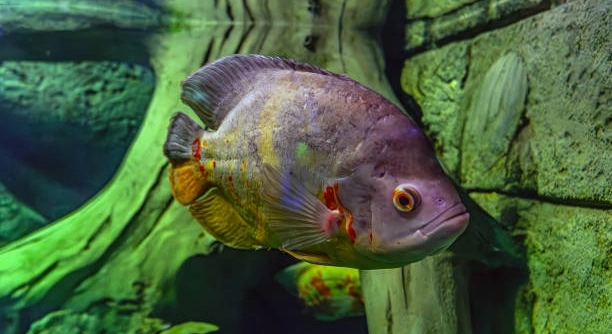
Oscar fish are known for their vibrant personalities and striking appearance, but if you notice your Oscar fish floating with no clear reason, it can be a puzzling situation. This behavior often leaves fish owners concerned.
Oscar fish may float for a variety of reasons, including swim bladder issues, stress, or water quality problems. Swim bladder disorders, in particular, affect their buoyancy and ability to maintain proper posture while swimming.
Understanding the possible causes behind this floating behavior will help you address the situation promptly. Keep reading to learn more about what might be causing this behavior and how to fix it.
Swim Bladder Issues
Swim bladder problems are one of the most common causes of your Oscar fish floating. The swim bladder is an organ that helps fish control their buoyancy and position in the water. If it becomes damaged or infected, your fish might struggle to stay upright or control its movement. This could make it appear as if your fish is floating without control.
It’s important to note that swim bladder issues often result from changes in diet, water conditions, or accidental injury. Fish that eat too much, or consume foods that are too large, may develop constipation, which can put pressure on the swim bladder. Additionally, abrupt changes in water temperature or poor water quality can also lead to this issue.
If you suspect swim bladder disorder, try adjusting your fish’s diet and ensuring the water parameters are stable. Keeping water temperature consistent and offering small, easy-to-digest foods can help. In more severe cases, you may need to seek veterinary advice for further treatment.
Stress and Environmental Factors
Oscar fish can also float due to stress, which can disrupt their normal behavior. Stress is often caused by poor water quality, overcrowded tanks, or constant disturbances in the environment. A stressed fish will often exhibit erratic swimming or float unnaturally.
Stress-related floating can also stem from sudden changes in the tank setup, such as introducing new tank mates or moving decorations. These changes can cause confusion and anxiety for your fish, leading to behavioral problems. To prevent stress, always ensure your Oscar has a stable environment, including clean water and enough space to swim freely.
If the stress continues, your Oscar might refuse to eat, which further weakens its health. If you suspect stress is causing your fish to float, observe the environment and try to minimize disturbances. Also, ensure your fish tank is not overcrowded, and that all water parameters, including temperature and pH, remain consistent.
Poor Water Quality
Oscar fish are particularly sensitive to water quality. Poor water conditions can lead to a variety of health problems, including floating behavior. Ammonia, nitrites, and high levels of nitrates in the water can stress your fish and disrupt its buoyancy.
Keeping the water clean is essential for your Oscar’s health. Regular water changes and ensuring proper filtration will help prevent toxins from building up. Test the water regularly to ensure the pH, ammonia, and nitrate levels are within safe ranges. If your Oscar’s tank water is not maintained well, it could lead to illness and floating issues.
To improve water quality, set a cleaning schedule. Perform regular water changes and check the filter to ensure it’s functioning properly. It’s also a good idea to have a water testing kit to monitor parameters like pH and hardness. Keeping the tank clean will help your fish feel secure and reduce stress.
Overfeeding
Overfeeding is another common reason why your Oscar fish may float. Feeding too much or providing large portions can result in bloating and digestive issues. This can put pressure on the swim bladder, making it harder for your fish to maintain buoyancy.
If your Oscar is overfed, food may not be fully digested, causing constipation. The excess waste can then interfere with the fish’s swim bladder function. To avoid this, feed your fish small portions and remove uneaten food promptly. This prevents food from decaying and affecting water quality.
To ensure your Oscar gets the right amount of food, aim to feed it twice a day, offering just enough for the fish to eat in a few minutes. A varied diet with the right balance of nutrients is key to keeping your fish healthy and preventing digestive problems.
Injury or Physical Damage
If your Oscar fish has been injured, floating could be a sign of physical damage. A torn fin or impact to the body can cause imbalance in the fish, making it difficult for it to swim properly. Injuries often go unnoticed until unusual swimming behavior is observed.
A physical injury can affect the fish’s buoyancy and lead to floating at the surface. If there’s visible damage or swelling, you’ll need to treat the wound immediately to prevent further complications. Ensure your fish has a peaceful, safe environment to recover and avoid further injury.
Infections
Infections, whether internal or external, can cause your Oscar to float. Bacterial or parasitic infections can disrupt the fish’s internal organs, affecting buoyancy and swimming behavior. Infections often cause lethargy, loss of appetite, or abnormal swimming patterns, including floating.
Treating infections quickly is crucial to preventing serious damage. Consider isolating the infected fish in a quarantine tank and using medicated food or water treatments. It’s important to observe your Oscar carefully for signs of illness, such as cloudy eyes or discolored skin, which are common indicators of infection.
Tank Size
Oscar fish are large and need a spacious tank. A tank that is too small can cause stress, making your fish more prone to health problems like floating. When Oscar fish don’t have enough space, they may swim erratically or float due to restricted movement.
FAQ
Why is my Oscar fish swimming upside down?
When an Oscar fish swims upside down, it’s usually a sign of a severe swim bladder disorder or other health issues. Swim bladder problems can occur due to overfeeding, water quality problems, or internal infections. If the swim bladder is damaged, it can affect the fish’s buoyancy, causing it to swim in an abnormal manner. Immediate changes to its diet, water quality, or a trip to the vet for treatment may help.
How can I tell if my Oscar has a swim bladder issue?
Signs of swim bladder issues include floating at the top or bottom of the tank, difficulty swimming straight, or swimming upside down. A fish with swim bladder problems may have trouble staying upright or may appear lethargic. You should observe your fish carefully for any signs of these behaviors and act quickly by adjusting their diet, water conditions, and seeking treatment if needed.
Can overfeeding cause my Oscar to float?
Yes, overfeeding can lead to floating issues in your Oscar fish. When overfed, the fish may develop digestive problems such as constipation or bloating, which can pressure the swim bladder. This may cause floating behavior. To avoid this, feed your fish appropriate amounts and remove any uneaten food from the tank promptly.
What is the best way to treat a swim bladder problem in an Oscar?
To treat swim bladder issues, you first need to determine the cause. If overfeeding is the problem, adjust the diet by feeding smaller amounts. Offering peas or blanched vegetables can help relieve constipation. If the problem is related to water quality, perform a water change and check for any harmful chemicals. In severe cases, medicated food or a trip to the vet may be necessary.
Can water temperature affect my Oscar’s floating behavior?
Yes, water temperature can play a significant role in your Oscar’s health. Too high or low water temperatures can stress your fish, causing them to float or exhibit other abnormal behaviors. Oscars thrive in water between 75°F and 80°F (24°C – 27°C). If the temperature is too extreme, make necessary adjustments using a heater or cooler.
How often should I change the water for my Oscar fish?
Regular water changes are essential to maintaining a healthy environment for your Oscar fish. It’s recommended to change 25% to 30% of the tank water every 1 to 2 weeks. For heavily stocked tanks or tanks with more waste, you may need to change the water more frequently. Consistent water changes help prevent ammonia buildup, which can cause stress and health problems, including floating.
Why is my Oscar fish not eating?
When an Oscar fish refuses to eat, it could be due to several factors. Stress, illness, or poor water quality are the most common reasons. Ensure the tank environment is stable, and the water quality is ideal. If the fish is showing other symptoms like floating, lethargy, or discoloration, it may be a sign of a more serious issue, and a visit to the vet is recommended.
Can my Oscar fish float because of stress?
Yes, stress can lead to floating in Oscar fish. Stress factors like overcrowded tanks, sudden changes in tank conditions, or aggressive tankmates can affect the fish’s behavior and cause it to float. Providing a calm and stable environment is crucial to reducing stress. Ensure that the tank is large enough, that water parameters are stable, and that there are no aggressive fish causing harm.
Should I separate my Oscar from other fish if it’s floating?
If your Oscar fish is floating and seems stressed, it’s a good idea to separate it from other tankmates. Stress from other fish can exacerbate the problem. Moving the Oscar to a quarantine tank can help it recover in a calmer environment. Monitor its behavior and address any potential issues like water quality or injuries before reintroducing it to the main tank.
Is it okay to treat my Oscar fish at home?
You can attempt to treat your Oscar fish at home for mild issues like overfeeding or slight swim bladder problems by adjusting its diet or water conditions. However, for more severe problems like infections, injuries, or persistent floating, it’s best to consult with a vet who specializes in fish care. Some treatments may require medication or professional guidance.
Can poor water quality cause floating in my Oscar fish?
Yes, poor water quality is one of the leading causes of floating in Oscar fish. High levels of ammonia, nitrites, or nitrates can stress the fish, leading to abnormal behaviors like floating. Test the water regularly and perform water changes to keep the environment clean. A stable pH, temperature, and low levels of toxins will help prevent floating problems.
Final Thoughts
When your Oscar fish starts floating without clear reason, it can be a cause for concern. Floating behavior is often linked to various factors such as swim bladder issues, poor water quality, stress, or even overfeeding. Understanding the root cause is key to addressing the problem effectively. If the issue is related to swim bladder disorders, adjusting your fish’s diet and water conditions may help. On the other hand, if stress or environmental factors are to blame, ensuring a stable and peaceful tank environment can make a significant difference. Overfeeding should be avoided by feeding small portions and ensuring proper digestion.
Regular maintenance is crucial for preventing floating behavior in Oscar fish. Water quality plays a big role in your fish’s overall health. Ammonia, nitrites, and nitrates can build up in the tank, stressing your Oscar and leading to potential health issues. Regular water changes and using a good filtration system are essential to keeping the water clean. Monitoring the tank’s temperature and making sure it’s in the right range for your Oscar will also help prevent stress and floating. A healthy and clean environment will go a long way in reducing the chances of your fish experiencing these issues.
In some cases, persistent floating behavior could indicate a more serious underlying health problem that may require professional attention. If the floating continues despite adjusting the environment and diet, it’s a good idea to consult with a vet experienced in treating fish. Whether it’s a swim bladder disorder, injury, or infection, timely intervention is important. Addressing the issue as soon as possible ensures that your Oscar fish can return to its normal, healthy behavior. Regular monitoring and care are key to keeping your Oscar fish happy and active.

Hello,
If you enjoy the content that we create, please consider saying a "Thank You!" by leaving a tip.
Every little bit helps us continue crafting quality advice that supports the health, happiness, and well-being of pets around the world, for pets of all shapes, sizes, and species.
We really appreciate the kindness and support that you show us!