
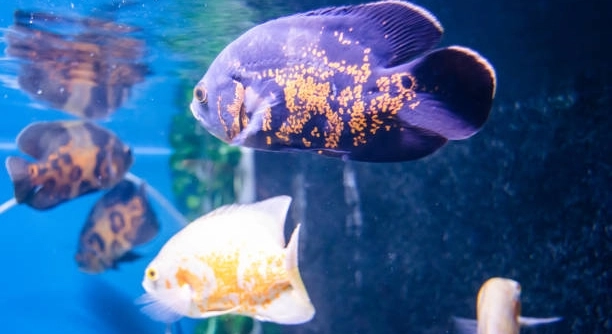
Oscar fish are fascinating creatures, often admired for their bold personalities and striking appearance. However, many aquarium enthusiasts wonder how these fish behave around their tank mates. Can an Oscar fish really feel jealous?
Oscar fish are territorial by nature and can display aggression toward tank mates if they feel threatened or possessive. This behavior can sometimes be interpreted as jealousy, especially when the fish shows signs of dominance or aggression over another fish.
Understanding Oscar fish behavior is key to managing their relationships in the tank. With proper care, their interactions can be balanced, allowing all fish to thrive.
What Causes Oscar Fish to Display Aggression?
Oscar fish can act aggressively for a number of reasons. Their territorial nature is often the primary cause of aggression, especially if they feel their space is being invaded. They may also become hostile if they’re protecting their breeding area or food source. It’s common for Oscar fish to act possessively, even towards other species in the tank. This behavior is heightened when there are other dominant fish or overcrowding in the aquarium. They may also display aggression toward tank mates simply because of their size or presence. Understanding what triggers these behaviors can help reduce conflicts in the tank.
While aggression is common among Oscars, it’s not always a sign of jealousy. In fact, aggression is often rooted in instincts related to territory and survival. Oscar fish don’t experience emotions in the same way humans do. However, their territorial behavior might seem like jealousy when directed at another fish they view as a threat.
Creating a balanced tank environment is essential for reducing aggression. Ensure that there’s enough space for each fish and provide hiding spots for those that might be intimidated by the Oscar. This gives each fish room to establish its own territory, reducing the likelihood of conflict.
How to Manage Jealousy in Oscar Fish
Oscar fish can be kept in peaceful tanks if managed properly. A large tank with enough hiding spots can help limit territorial disputes. Regularly monitor your tank’s size and inhabitants to avoid overcrowding.
Signs of Jealousy in Oscar Fish
Oscar fish may show signs of jealousy when they exhibit aggressive behaviors toward specific tank mates. These behaviors can include chasing, biting, or flaring their fins in an attempt to assert dominance. It’s important to watch closely for these changes in behavior.
Oscars are highly territorial, and when they feel threatened by another fish, they may act out aggressively. They could target a fish they see as a rival, showing signs of jealousy or possessiveness. If a fish is eating or occupying the same space as the Oscar, this can trigger defensive actions. The aggression can be subtle at first, but as it escalates, you may notice more frequent displays of dominance.
This type of behavior can be concerning, especially when one fish becomes too stressed. When aggression continues, it’s crucial to intervene to prevent injury. Keeping a close eye on the Oscar’s behavior helps to identify potential issues early, allowing you to create a better environment for all the fish.
Solutions to Reduce Jealousy in Oscars
To reduce jealousy in Oscars, make sure their tank is spacious enough for all inhabitants. If possible, separate fish that show signs of aggression to prevent harm.
How to Prevent Aggression in Oscar Fish
Providing a large tank with plenty of space is key to minimizing aggression. Overcrowding can lead to stress and territorial disputes. Also, make sure the tank includes hiding spots for the fish to retreat to when needed. This helps reduce the chance of aggression and jealousy.
Regular water changes and maintaining proper tank conditions also help reduce stress. Clean water keeps the fish healthy, which can lead to calmer behavior. If your Oscar feels comfortable in its environment, it’s less likely to act aggressively toward other fish.
Best Tank Mates for Oscar Fish
When choosing tank mates for your Oscar fish, it’s important to consider their size and temperament. Larger, peaceful fish are usually a better match. Avoid smaller species that may be viewed as prey or threatened by the Oscar. Choosing fish that are not overly aggressive can help prevent jealousy.
FAQ
Can Oscar fish live with other fish?
Yes, Oscar fish can live with other fish, but it depends on the species and tank conditions. Oscars are territorial and can be aggressive toward smaller or more passive fish. Larger, more robust species tend to do better with Oscars, but it’s essential to monitor their interactions. Make sure the tank is large enough to accommodate all the fish, and provide hiding spots to give each fish some space.
What is the ideal tank size for an Oscar fish?
Oscar fish require a large tank to thrive. A minimum of 55 gallons is recommended for a single Oscar. However, a larger tank is better, especially if you plan to keep more than one Oscar or other tank mates. The bigger the tank, the less likely your Oscar will feel cramped and stressed, which can reduce aggressive behaviors.
Why is my Oscar fish attacking other fish?
Oscar fish may attack other fish due to their territorial nature. If they feel their space is being invaded or they are competing for food, they may act aggressively. The presence of a dominant or competing fish can also trigger aggressive behavior. Monitoring the tank and ensuring each fish has enough space and resources can help minimize these attacks.
How can I reduce aggression in my Oscar fish?
To reduce aggression, provide enough space, and avoid overcrowding. A large tank with plenty of hiding spots will allow the Oscar to establish its own territory while giving other fish the chance to avoid conflict. Keeping the water clean and at the right temperature will also help reduce stress, which often triggers aggression. If aggression persists, it may help to separate the fish or rehome any tank mates that seem to be causing stress.
Do Oscars get jealous of other fish?
While Oscar fish don’t experience jealousy in the human sense, they can show aggressive behavior when they feel threatened by other fish. If an Oscar feels that another fish is invading its space or getting attention from its owner, it might react defensively. This territorial behavior can be misinterpreted as jealousy, but it’s usually just a natural instinct to protect its territory.
Can I keep multiple Oscars in the same tank?
Yes, you can keep multiple Oscars in the same tank, but it requires a large space. A 75-gallon tank or larger is ideal for two Oscars. They are territorial fish and may become aggressive toward one another if they don’t have enough space. Proper tank setup with multiple hiding spots and enough space for each fish to claim their own area can help reduce conflicts.
What size should the tank mates be for an Oscar fish?
Tank mates for an Oscar fish should generally be of a similar size or larger. Smaller fish might be seen as prey, and the Oscar may try to attack or eat them. Avoid any fish that might be too small or overly passive. Larger, peaceful species like plecos or larger cichlids are often a good match for an Oscar.
Why does my Oscar fish chase other fish around?
Oscar fish may chase other fish to assert dominance or protect their territory. This behavior is common in their natural environment and can be triggered by the presence of a new fish or changes in the tank. If the chasing becomes aggressive or seems excessive, you may need to adjust the tank setup or remove any aggressive tank mates.
How do I know if my Oscar is stressed?
Signs of stress in an Oscar fish include swimming erratically, rubbing against objects, or hiding more than usual. Stress can also cause changes in eating habits, with the fish either eating too much or too little. In some cases, you may notice faded colors or clamped fins. Maintaining water quality, ensuring a proper diet, and reducing tankmates that cause stress can help keep your Oscar healthy and happy.
Can I train my Oscar fish not to be aggressive?
Training an Oscar to be less aggressive is challenging because aggression is often rooted in natural instincts. However, creating a calm environment and providing proper space can help reduce aggressive behavior. Regular feeding times, consistent water changes, and avoiding overcrowding can help the Oscar fish feel more secure, which might reduce aggressive tendencies over time.
Final Thoughts
Oscar fish are fascinating creatures with strong personalities and unique behaviors. While they can display aggression, often due to territorial instincts or stress, they can also thrive peacefully in the right environment. If you’re planning to keep Oscar fish, it’s important to provide a large enough tank, proper water conditions, and enough space for them to establish their own territories. Monitoring their behavior and ensuring they are not overcrowded is key to minimizing conflict with other fish in the tank.
Though Oscars can show signs of aggression that might seem like jealousy, it’s more often a response to stress or feeling threatened. Their territorial nature means that they can act aggressively toward other fish, especially if they perceive them as rivals for food or space. However, by choosing appropriate tank mates, avoiding overstocking, and setting up the tank with plenty of hiding spots, you can reduce the chances of aggression. Creating a calm and stable environment will help keep your Oscar fish less stressed and more comfortable in its tank.
In the end, the success of keeping Oscar fish with other tank mates depends on careful management and understanding their natural behaviors. With the right setup, you can enjoy watching your Oscars thrive alongside compatible fish. However, if aggressive behavior persists, it may be necessary to separate them or rehome incompatible fish. Keeping Oscar fish happy involves balancing their needs and ensuring their environment supports both their physical and emotional well-being.

Hello,
If you enjoy the content that we create, please consider saying a "Thank You!" by leaving a tip.
Every little bit helps us continue crafting quality advice that supports the health, happiness, and well-being of pets around the world, for pets of all shapes, sizes, and species.
We really appreciate the kindness and support that you show us!