
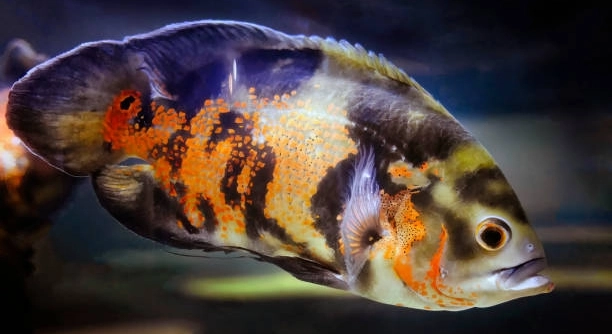
Do you ever find yourself watching your Oscar fish staring at the glass and wondering what’s going on in their mind?
Oscar fish can indeed become confused by their own reflections in the glass. This behavior is often mistaken for aggression, but it is typically a reaction to what they perceive as another fish intruding on their space.
Understanding how glass reflections affect your Oscar fish can help improve their tank environment and reduce stress-related behaviors.
Why Oscar Fish React to Glass Reflections
Oscar fish are known for being territorial and alert. When they see their reflection in the tank glass, they often mistake it for another fish. This can lead to flaring fins, sudden movement, or even bumping into the glass. The behavior may seem aggressive, but it’s usually just a defensive response. Fish don’t understand mirrors or reflections the way people do, so they react to what they see as an intruder. This can cause confusion and stress if it happens often. The issue is more common in tanks with clear, clean glass or strong lighting. Owners might also notice these behaviors more when the room is brightly lit or when the tank lighting changes suddenly. These moments can make reflections sharper and more noticeable. Oscar fish tend to calm down once the reflection disappears or the environment changes. Still, repeated exposure can affect their mood and behavior.
These reactions aren’t intentional. The fish simply can’t tell that it’s looking at itself in the glass.
Making small changes in tank lighting or background color can help reduce the reflection. Adding decorations, adjusting angles, or dimming the room slightly can also prevent the fish from reacting so often.
Signs Your Oscar Fish May Be Stressed
Flashing, fin clamping, and glass surfing are some of the signs your Oscar fish might be feeling uneasy or confused.
Oscar fish show stress in subtle ways that are easy to miss if you’re not paying close attention. Glass surfing—when the fish swims up and down the tank wall—is a common sign. So is a change in appetite or hiding more often than usual. Some fish might become more aggressive or display duller colors. Stress doesn’t always come from reflections alone. It can also stem from sudden changes in water quality, tank mates, or even loud noises around the aquarium. If the glass reflection is the issue, these behaviors often appear during times when the room is bright or the tank lights are strong. Keeping the tank in a stable spot away from direct sunlight and lowering the brightness in the room can help. Consistency in feeding and tank maintenance also plays a role in calming your Oscar fish and keeping them healthy.
Ways to Reduce Reflection in Your Tank
Reflections can be managed with a few simple changes. Turning off nearby lights or covering the sides of the tank with a background can make a big difference. Avoid placing the tank near windows or mirrors to prevent extra light from causing glare.
Try adding a solid background to the back and sides of the tank. This reduces visible reflections and helps your Oscar fish feel more secure. Dark colors work best, as they absorb light instead of bouncing it back. You can also place plants or decorations along the glass to break up the reflection. Floating plants help reduce light reaching the surface and soften the appearance inside the tank. Using a dimmer or timer for the tank light helps create a more natural day-night cycle, lowering the chances of stress. These small adjustments help your fish stay calm and reduce their interaction with their own reflection.
You can also adjust the room lighting around the tank. Lamps or ceiling lights that shine directly on the glass will increase reflections. Try repositioning lights so they don’t face the tank or reflect off nearby surfaces. Keeping the glass clean also helps, as smudges and streaks can enhance mirror-like effects.
What to Do if Your Oscar Fish Is Still Acting Strange
Sometimes, even after reducing reflections, your fish might still seem stressed or confused. This could be a sign of other issues in the tank. Watch for changes in swimming, eating, or color.
Make sure the water conditions are stable. Oscar fish need clean water, steady temperatures, and enough space. Ammonia and nitrite levels should be at zero, and the pH should stay between 6 and 8. Regular water changes and filter maintenance are key. Also, avoid overcrowding the tank or introducing aggressive tank mates. If your Oscar is alone and still acting strangely, try moving tank decorations or changing the layout slightly. This can give the fish a new space to explore and help shift its focus. If nothing works and the behavior continues, it might be helpful to consult a vet with experience in fish health to rule out illness or unseen issues.
Common Mistakes That Make Reflections Worse
Leaving the tank lights on too long can create strong reflections, especially when the room is darker than the tank. This contrast makes the glass more reflective and noticeable to your Oscar fish.
Using very light or glossy backgrounds inside or behind the tank can also make reflections stand out more.
When It’s Not the Reflection
If your Oscar fish continues to show odd behavior, it could be unrelated to reflections. Illness, poor water quality, or lack of stimulation may be the cause. Watch for clamped fins, pale coloring, or sluggish movement. These signs point to possible health issues or environmental stress. It’s important to test your water regularly and keep the tank clean. If your fish seems bored or agitated, consider adding a new hiding spot or safe enrichment item. Sometimes, Oscar fish just need a little variety. If nothing changes after checking all of this, a professional opinion from a vet with fish experience can help rule out deeper problems.
Final Thoughts on Glass Reflections
Reflections might seem harmless, but they can confuse or stress your Oscar fish if not managed properly. Small adjustments often make a big difference.
FAQ
Can Oscar fish recognize themselves in a mirror?
No, Oscar fish cannot recognize themselves in a mirror or reflection. They do not have the cognitive ability for self-recognition like some mammals or birds. When they see their reflection, they believe it’s another fish. This can lead to aggressive or stressed behavior as they try to defend their space. Over time, some Oscars may get used to the reflection, but most continue to react if it appears often or in a new area of the tank.
Why does my Oscar keep attacking the glass?
Oscar fish may attack the glass because they see their reflection and think it’s a rival. This is a territorial response. If your tank has clear glass and strong lighting, reflections are easier to see. When the fish sees what looks like another Oscar not backing down, it may flare, lunge, or swim aggressively toward the glass. This behavior is usually not harmful unless it becomes constant, which can cause stress or injury.
How can I tell if it’s a reflection problem or something else?
If your Oscar only becomes agitated when the lights are on or during certain times of the day, it’s likely reacting to a reflection. Watch how it behaves during the night or when lights are off. If the strange behavior stops, the glass is probably the issue. On the other hand, if the fish is acting off no matter the lighting—like not eating, hiding too much, or showing signs of illness—there may be a different cause, such as poor water quality or health problems.
Can adding tank mates help with reflection problems?
Not really. Adding other fish doesn’t stop the Oscar from reacting to its reflection. In some cases, new tank mates can make things worse by adding stress or competition. Oscars are territorial and often prefer their own space. If you already have tank mates, be sure they’re not causing additional stress. Reflection issues should be addressed by adjusting lighting and the tank setup, not by changing the fish community.
Should I leave the tank light off more often?
Yes, lowering the lighting can help. Bright lights inside a dark room make reflections more noticeable. Try turning off the tank lights during the day if there’s enough ambient light in the room. Use a dimmer or timer to reduce how long the tank is fully lit. Just make sure the fish still gets a natural day-night cycle. Sudden darkness all day can also be stressful, so find a balanced approach.
What kind of background works best to reduce reflections?
Dark, matte backgrounds work best. Black or deep blue backgrounds help absorb light rather than reflect it. Avoid shiny or light-colored materials that bounce light back into the tank. You can use aquarium-specific backdrops or even solid-colored paper or fabric. Covering the sides of the tank can also help reduce visibility of reflections from other angles.
Is glass surfing always caused by reflections?
No, glass surfing can also be caused by stress, boredom, poor water conditions, or the fish not having enough space. While reflections are one reason Oscars swim up and down the glass, it’s not the only one. Make sure the tank is large enough, clean, and has plenty of hiding spaces or decorations. If the behavior continues despite changes to lighting and background, consider checking water quality and diet.
Do all Oscar fish react to reflections the same way?
No, each Oscar has its own temperament. Some react strongly to reflections, flaring and swimming aggressively. Others may ignore them completely. Younger Oscars may show more curiosity or fear, while older fish might become territorial. The environment also plays a big role—tank size, lighting, and background can affect how visible the reflection is and how the fish reacts to it.
How long does it take for an Oscar to stop reacting to its reflection?
Some Oscar fish may get used to the reflection within a few days, especially if the lighting changes or the background is adjusted. Others may continue reacting every time the reflection appears. There’s no fixed timeline, and if the reaction continues daily, it’s best to take steps to block or reduce the reflection rather than wait for the fish to adjust on its own.
Can this behavior harm the fish long-term?
If left unaddressed, constant stress from reflections can affect an Oscar’s health. Stress weakens the immune system, making the fish more likely to get sick. It may also lead to poor appetite, dull colors, or even injury from repeatedly bumping the glass. Reducing the stress as soon as possible helps prevent long-term harm and keeps your fish healthier and more relaxed.
Final Thoughts
Oscar fish are smart and curious, but they don’t understand reflections. When they see their own image in the glass, they often think it’s another fish invading their space. This can cause them to act out, swimming fast toward the glass, flaring their fins, or even refusing to eat. It’s not because they are angry or aggressive for no reason—it’s simply confusion. The reflection looks real to them, and they react the only way they know how. While this might seem harmless at first, repeated stress like this can affect their mood, behavior, and health over time.
Luckily, you can do a lot to help. Changing how your tank is set up can make a big difference. Adding a dark background, placing decorations near the glass, and adjusting the lighting in the room are all easy steps. These small changes help block or reduce the reflection. It’s also helpful to keep the tank in a spot where sunlight doesn’t shine directly on it. A dim room or soft lighting makes the glass less reflective. Watching your Oscar’s behavior can guide you too. If they stop acting stressed when the lights are off or the tank is covered, then the reflection was likely the cause. If the odd behavior continues, checking the water quality or tank setup is the next step.
Caring for Oscar fish takes patience and attention. They need a clean tank, enough space, and a calm environment to stay healthy. Sometimes their behavior is easy to understand, and other times it’s not so clear. But when you notice signs of stress, like glass surfing or hiding more than usual, it’s worth looking at the little things—like lighting and reflections. Even though Oscars can’t tell the difference between a real fish and a reflection, we can help reduce their confusion. Watching them feel more relaxed and act more naturally is worth the effort. A few changes in how their space is set up can lead to a big improvement in how they live and behave each day. Keeping their tank peaceful will help your Oscar fish stay active, healthy, and less stressed in the long run.

Hello,
If you enjoy the content that we create, please consider saying a "Thank You!" by leaving a tip.
Every little bit helps us continue crafting quality advice that supports the health, happiness, and well-being of pets around the world, for pets of all shapes, sizes, and species.
We really appreciate the kindness and support that you show us!