
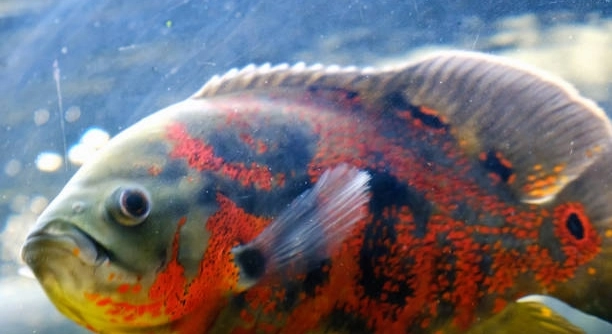
Oscar fish are fascinating creatures known for their intelligence and unique behavior. If you’ve ever kept one, you may have noticed some odd habits, especially when it comes to begging for food.
Oscar fish tend to beg for food at various times, often influenced by their feeding schedule, tank environment, and hunger. They display behaviors like splashing water, following movement, and even making vocal sounds to get your attention.
Understanding these unusual feeding behaviors helps create a better bond with your Oscar fish and ensures a healthy diet. The following insights will guide you through the odd ways they beg and how to manage it effectively.
The Timing of Oscar Fish’s Begging Habits
Oscar fish are creatures of habit, and they often beg for food at specific times during the day. They tend to become particularly vocal and active when they anticipate their meals. You’ll see them swim frantically at the surface or even splash water in excitement, especially around feeding time. It’s common for them to beg right before you’re due to feed them, and this behavior is rooted in their routine. They learn quickly when to expect food and often get impatient.
This behavior can also stem from the consistency of their feeding schedule. If you feed them at the same time each day, their internal clock will prompt them to start begging. The closer it gets to feeding time, the more persistent they become.
Understanding this behavior can make it easier to handle Oscar fish’s feeding patterns. You can plan their meals around this knowledge, avoiding overfeeding or frustration from both sides. By sticking to a routine, they’ll know exactly when to expect their next meal, making feeding time smoother.
The Role of Tank Environment in Feeding Behavior
The tank environment can significantly affect Oscar fish’s begging habits.
Oscar fish are intelligent and observant, so any changes in their environment may trigger changes in behavior. For instance, if their tank is too small or lacks hiding spots, they may become more stressed and beg for food more frequently. Providing a spacious tank with plenty of places to hide can help reduce the begging behavior, as it allows them to feel more secure. Additionally, tank conditions like water temperature and cleanliness also play a role.
If Oscar fish are not comfortable or their tank environment is not ideal, they may focus more on begging for food, thinking it’s the only way to get their needs met. When you create a stable and enriched environment, you’ll notice that their begging habits may become less intense. They’re more likely to settle down and wait for meals calmly if they have plenty of space and a well-maintained tank.
Hunger and Overfeeding
Oscar fish can beg for food due to genuine hunger or overfeeding.
Overfeeding is a common issue with these fish. If you feed them too much, they might beg for food even when they’re not hungry. Oscar fish will often act as if they’re always starving, but over time, they can become overweight or experience health problems. Stick to feeding them in small amounts, ensuring they consume it all without leftovers.
On the flip side, when Oscar fish are genuinely hungry, their begging becomes more intense. This can happen if their feeding times are too spaced out or their meals are too small. To keep them healthy, it’s important to feed them appropriately, balancing the right portions for their size and activity level.
Environmental Stressors That Trigger Begging
Stress in the tank can cause Oscar fish to beg more.
Oscar fish are sensitive to changes in their environment. When they feel stressed, whether from poor water quality, tank mates, or too much noise, they may start begging for food as a way to cope. It’s important to keep their tank clean, maintain proper water parameters, and reduce any stressors that could trigger this behavior. Even a sudden change in light or temperature can cause stress.
Additionally, when Oscar fish aren’t comfortable, they may associate begging with getting attention. They might think that if they act out, they’ll receive food or care, even if they’re not hungry. Identifying and addressing the root cause of stress will make a noticeable difference in how often they beg for food.
Interaction With Their Owners
Oscar fish tend to beg when they want attention from their owners.
They are highly social and enjoy interacting with people. If they notice you nearby, they may associate you with food and start begging, even if they’re not hungry. This can be a learned behavior, where they know begging often leads to rewards.
When Oscar fish are frequently fed by their owners or receive attention while begging, they can start to expect it. Their behavior can become more persistent, and they might beg more often. It’s essential to balance their need for interaction and feeding to avoid reinforcing this habit.
Predictable Behavior and Routine
Oscar fish thrive on routine.
Once you establish a feeding schedule, they will learn to expect food at specific times. This predictability leads them to beg before feeding time, especially if they’re used to being fed at certain intervals.
FAQ
Why does my Oscar fish beg for food all the time?
Oscar fish are naturally curious and intelligent, and they can learn to associate you with feeding. If they’ve been fed at the same time every day, they’ll begin to anticipate food and beg at that time. Over time, they can also learn to beg whenever they see you, not just when they’re hungry. Another reason for constant begging can be boredom or stress. Oscars may beg out of habit or because they are looking for interaction. It’s important to avoid reinforcing the behavior by feeding them every time they beg.
How often should I feed my Oscar fish?
Oscar fish are typically fed once or twice a day. The frequency depends on their size, age, and activity level. Young Oscar fish may require more frequent feeding due to their growth rate. Adult Oscars can be fed once a day. It’s important to monitor their weight and feeding behavior to avoid overfeeding, as they are prone to obesity. Each feeding should be balanced, ensuring they get enough protein, and you should only feed them as much as they can eat within a few minutes.
Can overfeeding cause Oscar fish to beg more?
Yes, overfeeding can lead to excessive begging. If an Oscar is given too much food, they might beg even when they’re not hungry, as they’ve learned to associate begging with receiving food. This behavior becomes a cycle. Overfeeding also leads to health problems like bloating, poor water quality from uneaten food, and weight gain. It’s important to stick to a feeding schedule and give them the right portion size for their age and size to avoid reinforcing this begging habit.
Does water quality affect Oscar fish’s begging behavior?
Poor water quality can increase stress and discomfort, which may lead to more frequent begging. When Oscar fish feel unwell or stressed, they might beg for food as a response to their discomfort. Ensuring good water quality, with regular water changes and proper filtration, helps reduce stress and calm the fish. A well-maintained environment encourages healthy behavior and minimizes the likelihood of begging as a way of seeking attention or comfort.
How can I reduce my Oscar fish’s begging behavior?
To reduce begging, try to maintain a consistent feeding schedule so your fish knows when to expect food. Avoid feeding them whenever they beg to prevent reinforcing the behavior. Provide them with plenty of space and enrichment in their tank, as a lack of stimulation may increase begging. Regular tank maintenance and proper water conditions can also help alleviate any underlying stress causing the begging.
Why does my Oscar fish beg when I’m not near the tank?
Oscar fish are highly observant and can associate their owners with feeding. Even if you’re not near the tank, they may recognize the sounds you make or see you from a distance and begin begging. They’ve learned that your presence is often followed by food, and their begging is an instinctual response to anticipate that. Keeping a routine will help prevent unnecessary begging, as they will know when to expect food.
Can Oscar fish get addicted to begging for food?
Oscar fish can become conditioned to beg if they’re frequently fed in response to their begging. This creates a cycle where they associate begging with receiving food, and they may start to do it more often. The behavior may worsen if they are fed excessively. It’s crucial to establish clear boundaries and avoid reinforcing the begging by feeding them only during designated times.
How do I know if my Oscar fish is truly hungry or just begging?
It can be tricky to tell the difference, but there are some signs to look for. If your Oscar fish is truly hungry, they will eagerly chase after food and eat it immediately. If they are just begging, they may follow your movements but not eat as eagerly once food is offered. A hungry Oscar will also be more active in the tank, swimming around and showing heightened interest in food. Keep track of their regular feeding times and portions to understand their true hunger cues.
Can Oscars beg if they are bored?
Yes, boredom is another factor that can lead to begging. Oscar fish need mental and physical stimulation to stay healthy. If they don’t have enough to do, such as hiding spots, plants, or toys, they might begin begging for food as a way to pass the time or seek interaction. Ensuring that your Oscar has a well-decorated tank with places to explore and hide can help alleviate boredom and reduce begging.
Why does my Oscar fish make splashing noises while begging?
The splashing is a common behavior when Oscar fish beg for food. This is typically a sign of excitement, as they associate the action of splashing with receiving attention or food. Oscar fish are strong swimmers, and their physical display of splashing might also be a way of trying to get your attention. If this behavior becomes too frequent or intense, it may indicate an issue with the tank environment or their feeding routine.
Final Thoughts
Oscar fish are intelligent creatures that quickly learn routines and behaviors related to feeding. When they beg for food, it’s usually a combination of hunger, learned behavior, and sometimes a need for attention. It’s important to understand that begging is not always about hunger, and it can be triggered by things like boredom, stress, or the anticipation of food. By recognizing the patterns in their behavior, you can better manage when and how you feed them. This can help ensure that their begging doesn’t become a disruptive habit.
Overfeeding can easily happen with Oscar fish. They tend to beg for food even when they’ve had enough. This can lead to health problems, like obesity or poor water quality, as uneaten food may rot in the tank. Creating a consistent feeding schedule is crucial to avoid overfeeding. You should only feed them what they can consume within a few minutes to maintain their health. Additionally, providing a variety of foods ensures they get the right nutrients and stay active, reducing the chances of them becoming too focused on begging.
Lastly, while Oscar fish are social and enjoy interaction with their owners, it’s important not to reinforce begging by giving in every time they ask for food. Maintaining a balance between attention and feeding can prevent them from developing unhealthy behaviors. A well-maintained tank environment that reduces stress, along with a predictable feeding routine, will help your Oscar fish feel secure and content. By understanding their behaviors and needs, you’ll build a better relationship with your fish, keeping them healthy and happy without encouraging excessive begging.

Hello,
If you enjoy the content that we create, please consider saying a "Thank You!" by leaving a tip.
Every little bit helps us continue crafting quality advice that supports the health, happiness, and well-being of pets around the world, for pets of all shapes, sizes, and species.
We really appreciate the kindness and support that you show us!