
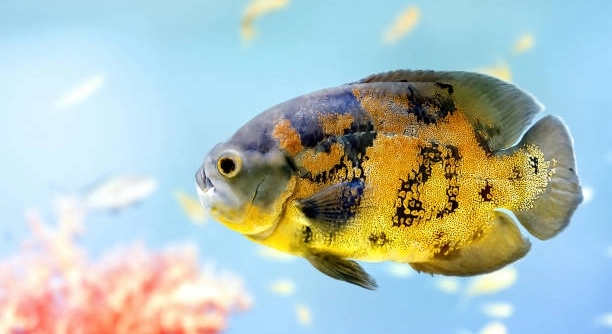
Are your Oscar fish acting differently lately, shifting from calm to aggressive or playful to withdrawn without any clear reason? Sudden mood changes can catch many fish keepers by surprise and raise concern.
Oscar fish can experience sudden mood changes due to stress, illness, environmental shifts, or social dynamics in their tank. These changes are often a response to discomfort or threat, and recognizing them early is key to proper care.
Observing your Oscar’s behavior closely can reveal valuable clues. From changes in water quality to new tank mates, several factors could be behind the shift.
Sudden Aggression Toward Tank Mates
Oscar fish are known for their strong personalities, but sudden aggression can mean something is off. A peaceful Oscar turning hostile may be reacting to a change in its surroundings. This can happen if new fish are added or if the tank becomes too crowded. Oscar fish are territorial, and even a small disruption can make them feel threatened. If your Oscar feels like its space is being invaded, it may lash out at others. Poor water conditions or sudden changes in temperature can also cause stress, leading to more aggressive behavior. It’s important to observe how often the aggression occurs and whether it’s directed at specific fish. In some cases, it’s just a sign of dominance. But if it seems constant and harsh, you may need to rearrange the tank or isolate the Oscar. Addressing the issue quickly can help restore peace and keep all your fish safe.
This kind of behavior may not be constant, but when it happens, it often leads to injury or fear among tank mates.
Sometimes aggression is your Oscar’s way of saying it’s unhappy with its environment. Consider adjusting hiding spots or giving it more space to swim. Reducing stress can calm behavior and prevent further issues.
Loss of Appetite Without Illness
When your Oscar stops eating, it’s not always due to sickness. Mood plays a big role in feeding habits.
A healthy Oscar with no signs of disease may still refuse food. Stress, boredom, or changes in their environment are common triggers. Moving the tank, loud noises nearby, or even changing the type of food can throw off their appetite. If your fish is used to a certain routine or feeding time, a sudden change can lead to skipped meals. Oscars can also get bored with the same diet every day. Offering variety in texture and taste can make feeding time more appealing. Don’t panic if your fish skips a meal or two. But if the behavior continues, review recent changes in their setup. Maybe something small like lighting or filter flow has shifted. Make sure water parameters are stable, and try offering food at a quieter time of day. Observing their reactions carefully will guide your next steps.
Hiding More Than Usual
When an Oscar fish starts hiding more than usual, it’s often a sign that something is bothering it. This behavior can stem from stress, fear, or sudden environmental changes like lighting or noise.
Oscars may retreat behind decorations or stay low in the tank when they feel overwhelmed. If there’s been a loud noise, new tank mates, or rearrangement of the tank layout, your fish might respond by withdrawing. This is how they protect themselves when something feels off. Also, if the water quality has dropped or if ammonia levels are rising, Oscars may avoid swimming freely. Always check for sudden changes in water temperature, lighting, or new additions to the tank. Hiding isn’t always a bad sign, but when it’s new or persistent, it’s worth looking into what’s changed around them. Even small things can make a big difference to a fish that thrives on stability.
In some cases, increased hiding can be a reaction to internal stress or discomfort. Your Oscar may be avoiding attention due to pain, or because it senses something unusual. If it’s staying in one spot all day and showing no interest in food or movement, consider testing the water and watching for illness. Subtle signs matter.
Unusual Reactions to Movement Outside the Tank
Oscar fish are known for reacting to people and movement near their tank. But if they suddenly seem jumpy, shy, or even overly aggressive when someone approaches, it could be a sign of stress.
This change in behavior may be related to lighting or shadows cast on the tank at certain times of the day. Sometimes, fish become sensitive to reflections in the glass or to activity that wasn’t a problem before. If your Oscar used to swim up to the glass and now darts away, it may feel threatened. High-traffic areas, loud noises, or placing the tank too close to a door can increase anxiety. Try adding a background to reduce reflections and keep the tank in a quieter space. Make sure the lighting above and around the tank is consistent. Unpredictable movement can confuse Oscars, and they’ll act out in ways that seem dramatic or odd when they’re actually just overwhelmed.
Sudden Glass Surfing
Glass surfing is when your Oscar repeatedly swims up and down along the tank walls. This behavior often points to boredom or stress. It might also happen if your fish sees its reflection and mistakes it for another fish.
Check for changes in lighting or the placement of nearby objects. A strong reflection or lack of enrichment in the tank can lead to this behavior. Add plants, rocks, or rearrange the tank to give your Oscar more to explore.
Darkening of Color Without Warning
When an Oscar suddenly darkens in color, it’s often reacting to stress or discomfort. This change may happen if water conditions shift quickly or if the fish feels threatened by a tank mate. Sometimes, it’s part of their natural mood response. Keeping the tank stable and calm can help.
Unusual Sleeping Patterns
If your Oscar is resting more than usual or sleeping during active times, it might be responding to changes in its environment. Lighting, water temperature, and tank stress can all affect its rest cycle.
FAQ
Why is my Oscar fish acting fine one moment and then aggressive the next?
Sudden mood swings like this are usually caused by stress, discomfort, or changes in the tank environment. Oscars are sensitive to what’s going on around them. Something as simple as a shift in water temperature, a new decoration, or a different feeding time can throw them off. They may act fine when conditions feel stable but turn aggressive when something feels unfamiliar or unsafe. Keep an eye on tank conditions, and make changes gradually. Giving them a predictable routine often helps balance their behavior.
Can sudden mood changes in Oscar fish mean they’re sick?
Yes, sometimes mood changes are the first signs of illness. If your Oscar becomes withdrawn, stops eating, or acts differently without any visible injury, it could be unwell. Look out for other signs like clamped fins, white spots, bloating, or strange swimming patterns. Even if you don’t see symptoms, internal parasites or infections might be developing. It’s smart to test the water and observe your Oscar closely for a few days. A change in behavior alone doesn’t confirm illness, but it should not be ignored.
What should I do if my Oscar suddenly hides all the time?
First, check for any recent changes in the tank—like new fish, moved decor, or louder noise nearby. Oscars hide more when they feel unsafe or overwhelmed. Also, test the water to make sure parameters like ammonia and pH are stable. If everything seems fine and the behavior continues, try giving your Oscar more hiding spots to feel secure. Sometimes they just need a bit of time to adjust. If hiding becomes constant and they stop eating, there may be a health issue involved.
Is it normal for Oscars to go days without eating?
Yes, it can be. Healthy Oscars may skip meals now and then, especially if something small has changed in their environment. But if they’re refusing food for more than three days, it’s worth investigating. Make sure the water is clean, the temperature is right, and no other fish are stressing them out. Offering a different type of food—like frozen or live options—can also spark their interest. Long-term refusal to eat, especially with other signs like weight loss or dull color, needs attention.
Why is my Oscar glass surfing so often?
This usually means your fish is bored, stressed, or sees a reflection. Oscars are active and intelligent, and if there’s not enough stimulation in the tank, they’ll start repeating behaviors like glass surfing. You can help by changing the tank layout, adding objects to explore, or using a background to reduce reflections. Also, avoid putting the tank in a high-traffic area or near bright, shifting light. Glass surfing isn’t dangerous at first, but over time it can signal deeper frustration or stress.
Do Oscars get sad or lonely?
They don’t experience emotions exactly the way we do, but they are sensitive to changes in their space and routine. If they feel unsafe or bored, they may withdraw, stop eating, or behave oddly. Some Oscars enjoy the company of other fish, but others prefer having the tank to themselves. It depends on the individual fish and how the tank is set up. What matters most is giving them enough space, clean water, and a routine that feels familiar and secure.
How can I help keep my Oscar’s mood stable?
Keep their tank environment steady—avoid sudden changes in lighting, water quality, or layout. Feed them on a consistent schedule with a varied diet, and give them enough space to swim. Regular water changes and a proper filter are also key. Try to limit stress by keeping the tank away from loud noises or constant motion. Oscars also respond well to interaction, like recognizing you at feeding time. Small, steady actions from you can make a big difference in their behavior.
Final Thoughts
Oscar fish are fascinating to watch and care for, but their sudden mood changes can sometimes be confusing. One moment they may seem calm and curious, and the next they’re hiding or acting aggressive. These shifts in behavior are often signs that something in their environment has changed or that they’re feeling stressed. It’s not always easy to spot the cause right away, but paying close attention to their routine, water conditions, and surroundings can help you figure out what’s going on. The key is not to ignore the signs. Even small changes in mood can tell you a lot about how your Oscar is feeling.
Mood swings in Oscar fish are not always a sign of illness, but they should still be taken seriously. A healthy Oscar that suddenly refuses to eat, hides more than usual, or behaves in ways that are out of character may be reacting to something that’s bothering it. This could be a shift in water temperature, poor water quality, boredom, or even the presence of a new fish. Taking the time to make sure their tank is calm, clean, and consistent can make a big difference. Testing the water regularly and observing their behavior closely can help you stay ahead of potential problems before they become serious.
Caring for an Oscar fish takes patience and attention, especially when their behavior changes quickly. But with the right setup and care, most mood swings can be managed or avoided altogether. Giving them a stable environment, a varied diet, and enough space to explore helps keep them both mentally and physically healthy. It’s also helpful to keep a log of changes you make in their tank, so if they start acting differently, you can look back and see what might have triggered it. Oscars are intelligent fish that respond to the world around them. Understanding their behavior is a big part of keeping them happy in your home aquarium. With time and experience, you’ll get better at recognizing what your Oscar needs and when something isn’t quite right.

Hello,
If you enjoy the content that we create, please consider saying a "Thank You!" by leaving a tip.
Every little bit helps us continue crafting quality advice that supports the health, happiness, and well-being of pets around the world, for pets of all shapes, sizes, and species.
We really appreciate the kindness and support that you show us!