
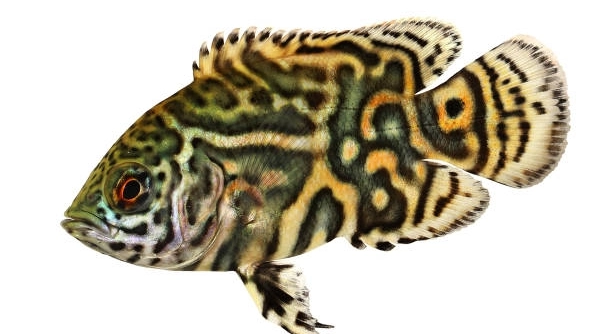
Oscar fish are fascinating creatures known for their intelligence and unique behaviors. One of their most intriguing traits is their ability to mimic repetitive motions. These actions can often be seen in their interactions with their environment.
Oscar fish mimic repetitive motions as a means of communication, expression, or environmental adaptation. This behavior involves repeated actions such as swimming in patterns, copying movements from their surroundings, or interacting with their owners in a rhythmic manner.
Understanding these repetitive behaviors can enhance your appreciation of Oscar fish. Continue reading to discover more about their fascinating mimicry and what it reveals about their nature.
Why Do Oscar Fish Mimic Repetitive Motions?
Oscar fish are known for their ability to mimic repetitive motions, and this behavior is often observed in their daily activities. It’s believed that these fish copy patterns as a way of communicating with their environment or their owners. The movements might seem random, but there’s more going on than just instinct. For example, Oscars might repeat swimming patterns or mimic the actions of their tank mates. These motions are a way for them to establish familiarity with their surroundings or reinforce their connection with you.
Their behavior is not purely mechanical. It can be an expression of comfort or even curiosity, depending on their mood. If your Oscar fish starts following your finger in the tank or swimming in a particular pattern repeatedly, it might just be their way of interacting with you or showing interest in the environment. Understanding this behavior can make caring for them easier and more enjoyable.
While their mimicry might look playful, it’s also a sign of intelligence and adaptability. Oscars are often quick to adapt to new environments, and their repetitive motions might help them learn or map out the tank. This behavior is not just a form of entertainment but can be a practical way for these fish to explore and adjust to their habitat.
How Mimicking Helps Oscar Fish
Oscar fish use repetitive motions to create a sense of control over their space.
By repeating movements, they can better familiarize themselves with their surroundings. This practice helps them feel secure and less stressed. Understanding their need for routine can lead to a happier and healthier fish.
As an Oscar fish learns its environment, it starts to associate specific actions with rewards or reactions. For instance, when you feed them, they might swim in a certain pattern to signal hunger or excitement. This repetitive motion serves as a way for them to communicate their needs or desires. Oscars also tend to mimic the behavior of other fish in the tank, further reinforcing their learning process. By doing so, they find comfort in the consistency and predictability of these motions. This behavior shows a deep connection to their environment and highlights their ability to adapt based on experiences.
Repetitive Motions in Oscar Fish and Tank Environment
Oscar fish may repeat motions due to the structure and setup of their tank.
When the tank environment is unfamiliar or new, Oscar fish often rely on repetitive movements to explore and gain confidence. They may swim in circles or follow the glass walls, mapping out the space. Over time, they create a routine based on their surroundings, which helps them feel more comfortable. The presence of decorations, such as plants or rocks, can also trigger this kind of repetitive behavior as they inspect every corner of their space.
These repetitive actions are often a result of both curiosity and security. Oscar fish tend to create a pattern that they can predict, making them feel in control of their environment. This behavior can be particularly noticeable when they’re introduced to new tank features. Even small changes in the environment, like adding new objects or adjusting water flow, may cause them to repeat motions as they adapt. By understanding this, you can create a stable space that minimizes their need for repetitive behaviors.
How Repetition Signals Comfort and Stress
Repetitive motions can indicate how comfortable or stressed your Oscar fish feels.
When Oscar fish begin to repeat movements, it may signal that they are adjusting to their new tank environment. Repeating motions often happens when they are still figuring out their surroundings. However, if they continue the same repetitive actions excessively, it could indicate stress. It’s crucial to observe the type and duration of these movements.
Stress-related repetitive motions might include pacing along the tank or constant swimming in one direction. This type of behavior can be triggered by changes in water conditions, temperature, or the introduction of new tank mates. By identifying these signs early, you can adjust their environment and reduce the stress that might be causing the repeated actions. Ensuring stable water conditions and minimizing abrupt changes can prevent excessive repetitive behaviors that stem from anxiety. This awareness helps create a healthier environment for your Oscar fish.
Mimicking Feeding Time
Oscar fish often repeat movements before feeding.
As feeding time approaches, Oscar fish may start to swim in specific patterns or exhibit repetitive motions. They might pace back and forth near the surface or swim to their feeding spot. This behavior is a sign of anticipation and excitement.
The repetitive motions linked to feeding time also help Oscars create routines. They begin associating certain movements or actions with food. Over time, they learn to expect food at specific times or after certain interactions, reinforcing their routine. This behavior helps maintain their mental stimulation and creates a sense of stability in their environment.
Social Mimicry with Tank Mates
Oscar fish may imitate the actions of other fish in the tank.
This behavior is part of their social interaction. Oscars often mimic the movements of other fish, especially if they are introduced to the tank at the same time. It’s a way for them to bond and learn how to coexist.
FAQ
Why do Oscar fish repeat motions in their tank?
Oscar fish often repeat motions as a way to explore and become familiar with their environment. These repetitive behaviors help them feel more comfortable and secure in their space. They may swim in circles, follow tank walls, or mirror the movements of other fish. By doing this, they map out their territory and create routines that reduce stress. It’s also a way for Oscars to signal their needs, such as hunger or curiosity. Understanding these patterns helps in providing a better tank setup that reduces anxiety and keeps the fish engaged.
Do Oscar fish mimic human movements?
Yes, Oscar fish can mimic the movements of their owners. This behavior is often seen when they respond to gestures or movements outside the tank. For instance, they might follow your finger along the glass or swim in patterns when you approach their tank. This behavior shows their ability to recognize their caregivers and form bonds. It is part of their intelligence and adaptability. Over time, they may learn to associate specific actions with rewards, such as feeding time, creating a consistent interaction pattern.
Is repetitive swimming a sign of stress in Oscar fish?
Repetitive swimming can sometimes indicate stress, but not always. If an Oscar fish is constantly swimming in one direction or pacing along the tank, it could be a sign that the fish is feeling anxious or uncomfortable. Stress can be caused by factors like poor water quality, sudden temperature changes, overcrowding, or the introduction of new tank mates. Monitoring the fish’s behavior and making necessary adjustments to the tank environment can help alleviate stress and reduce repetitive movements.
How can I tell if my Oscar fish is happy or stressed?
A happy Oscar fish usually swims actively and exhibits natural behaviors like exploring the tank, interacting with other fish, or following your movements. They are generally active and may even display certain patterns around feeding times. A stressed Oscar, on the other hand, might hide more often, swim erratically, or engage in excessive repetitive motions. If your Oscar is scratching against objects or constantly swimming in circles, it could be a sign of stress. To keep them happy, ensure their tank is clean, spacious, and stable.
Can Oscar fish recognize their owners?
Yes, Oscar fish are capable of recognizing their owners. They often learn to associate certain movements or sounds with feeding times. Over time, they might approach the glass when they see you or respond to your gestures, like following your finger along the tank. This recognition shows their intelligence and ability to form bonds with those who care for them.
What are common signs that my Oscar fish is unhealthy?
If your Oscar fish is unhealthy, you might notice changes in its behavior or appearance. Common signs include loss of appetite, abnormal swimming patterns, or excessive hiding. Physical signs of illness can include white spots on the skin, clamped fins, or redness around the gills. Unhealthy Oscars might also be less active or show signs of distress, such as rubbing against objects in the tank. If you notice any of these symptoms, it’s important to check the water quality, temperature, and overall tank conditions and consult a veterinarian if needed.
How can I encourage my Oscar fish to stop repetitive behavior?
To reduce repetitive behavior, first ensure that your Oscar fish’s tank environment is stable and enriching. Providing them with plenty of space, hiding spots, and varied tank decorations can help reduce stress and boredom. A well-balanced diet and regular feeding schedule can also prevent some repetitive behaviors tied to hunger or anticipation. Additionally, maintaining clean water and a consistent temperature can help keep your Oscar fish content and less likely to engage in repetitive movements.
Why do Oscar fish sometimes attack other fish in the tank?
Oscar fish are known to be territorial, and they may attack other fish to assert dominance or protect their space. This behavior is more common if the tank is too small or if the fish are introduced abruptly without proper acclimatization. To reduce aggression, ensure the tank is large enough, provide plenty of hiding spots, and consider the temperament of any new tank mates. Keeping Oscars with similar-sized or similarly temperamental fish can help minimize aggressive interactions.
Can Oscar fish live with other fish?
Oscar fish can live with other fish, but their aggressive nature means they should only be kept with other sturdy, similarly sized fish. Avoid small or timid species that might be bullied or eaten by the Oscars. Good tank mates include large catfish, cichlids, and certain types of plecos. Always monitor their interactions, especially in the beginning, to ensure no one is being overly aggressive or harmed.
How often should I feed my Oscar fish?
Oscar fish should be fed once or twice a day, depending on their size and age. It’s important to offer a balanced diet consisting of high-quality pellets, live food, or frozen offerings like shrimp and worms. Overfeeding can lead to obesity and poor water quality, so portion control is key. If you notice that your Oscar is not finishing its food, it may be a sign of overfeeding, and you can adjust their diet accordingly. Always remove any uneaten food to prevent water contamination.
What is the lifespan of an Oscar fish?
Oscar fish typically live for about 10 to 15 years, but some have been known to live even longer with proper care. Their lifespan can be affected by factors like water quality, diet, tank size, and stress levels. Providing them with a stable environment, good nutrition, and regular tank maintenance can help ensure they live a long, healthy life.
Final Thoughts
Oscar fish are fascinating creatures, known for their intelligence and unique behaviors. They exhibit a range of movements, from mimicking repetitive motions to interacting with their environment. Observing these behaviors can provide insight into their personalities and needs, making it easier to create a comfortable environment for them. Understanding why they repeat certain motions or how they learn routines is crucial in ensuring their well-being. A healthy, engaging tank setup can prevent stress and encourage natural behaviors, allowing Oscar fish to thrive.
Their repetitive actions, while sometimes seen as a sign of boredom or stress, are often part of their natural behavior. By providing a structured routine, ample space, and an enriching environment, you can help minimize negative repetitive behaviors. Oscar fish thrive in tanks that reflect their natural habitat, so including plants, rocks, and hiding spots can reduce anxiety and offer them a sense of security. Additionally, maintaining clean water and stable conditions is essential in supporting their health and happiness.
With proper care and attention, Oscar fish can live for many years, offering companionship and unique interactions. Their ability to mimic movements and recognize their owners creates a strong bond. By observing their behavior, you can ensure they are not only healthy but also content in their surroundings. Creating an environment that supports their mental and physical well-being leads to a long and fulfilling life for these intelligent, fascinating fish.

Hello,
If you enjoy the content that we create, please consider saying a "Thank You!" by leaving a tip.
Every little bit helps us continue crafting quality advice that supports the health, happiness, and well-being of pets around the world, for pets of all shapes, sizes, and species.
We really appreciate the kindness and support that you show us!