
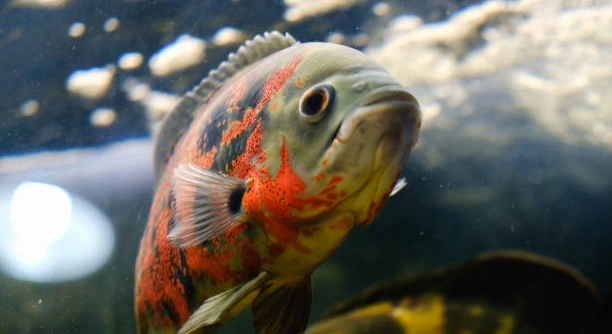
Oscar fish are known for their intelligence, and many owners observe their unique behaviors around feeding times. These behaviors often lead to curiosity about whether Oscar fish can actually tell time based on their feeding schedule.
Oscar fish can indeed recognize patterns and anticipate feeding times. Their ability to associate specific times with feeding is linked to their biological rhythms, which can make them behave in a way that seems like they can “tell time.”
Understanding how Oscar fish develop these behaviors helps us appreciate their intelligence. There are a variety of factors at play that contribute to their routine-like actions around feeding times.
How Oscar Fish Learn Feeding Schedules
Oscar fish are highly intelligent, and like many animals, they can learn routines. Their keen ability to observe their environment and associate certain actions with rewards is a major factor in their behavior. Over time, they come to expect food at regular intervals, often reacting at specific times, even before food is offered. This is because they start recognizing signals, such as movement near the tank or the sound of footsteps. Fish in the wild follow natural rhythms for feeding, but Oscar fish in captivity can adapt to the rhythm of their owner’s routine.
The behavior of Oscar fish isn’t just about memory. They use sensory cues to anticipate when feeding will occur, linking the patterns they recognize to their survival instincts. This kind of learned behavior suggests that the fish can form associations, which is a key factor in how they seem to tell time.
Understanding how these fish learn feeding schedules gives insight into their advanced cognitive abilities. They aren’t just waiting for food—they are actively processing and anticipating what’s coming. These learned behaviors show how in-tune they are with their environment and routines.
The Science Behind Feeding Time Recognition
Oscar fish show strong patterns of behavior when they expect food. It’s rooted in conditioning and sensory stimuli.
Fish respond not just to time, but to consistent events leading up to feeding. They learn to expect food through sound, sight, and even the actions of their owners. By using these cues, Oscar fish can predict when their next meal is coming. The association between these cues and feeding reinforces their behavior.
This learned anticipation allows them to adjust their actions accordingly, such as swimming to the front of the tank or becoming more active. They are not just acting on hunger—they are responding to a rhythm based on sensory learning.
Why Oscar Fish Anticipate Feeding Times
Oscar fish are highly observant and can adapt to feeding routines by associating specific times with food. They use various environmental cues, such as sound and sight, to know when food is coming. This anticipation is based on their ability to recognize patterns and predict events in their environment.
Over time, they begin to link actions, like the owner approaching the tank or the preparation of food, to feeding. This behavior is a form of classical conditioning, where a stimulus (such as an owner’s movement) triggers a response (increased activity or swimming toward the front). The fish’s memory and awareness of these cues help them predict when to expect food. Their behaviors aren’t random; they are conditioned responses to specific environmental signals.
By recognizing these patterns, Oscar fish develop a routine that benefits them by reducing stress and promoting efficient feeding. It’s a sign of their intelligence and ability to form associations, similar to how pets like dogs learn to respond to their owners’ actions.
How Owners Can Use Feeding Times to Their Advantage
Many Oscar fish owners use feeding time as a way to bond with their fish. By sticking to a routine, they can create a predictable environment that benefits both the fish and the owner. The fish’s response to these set times can also help the owner gauge their health and behavior.
Owners can reinforce this pattern by feeding their fish at the same time every day. This consistency not only helps the fish anticipate meals but also strengthens their bond with the environment. When owners keep feeding schedules, the fish grow accustomed to the routine, which reduces anxiety and stress. This regularity contributes to the fish’s overall well-being, making it easier for owners to observe any changes in their behavior. Consistency also improves their eating habits and digestion, ensuring they maintain a healthy routine.
Such practices enhance both the health of the fish and the owner’s experience, making it easier to take care of them. By maintaining this structure, Oscar fish thrive in captivity, responding positively to the routine.
The Impact of Feeding Time on Oscar Fish Behavior
Feeding time affects Oscar fish in ways that extend beyond just eating. Their behavior becomes more predictable, and they often become more active around scheduled meal times. This activity shows their ability to anticipate and respond to the routine.
Oscar fish may swim to the front of the tank, display excitement, or even act more aggressively during feeding times. These behaviors reflect the fish’s learned anticipation, which has been ingrained through consistent feeding patterns. Their actions are a clear indication that they associate the timing of feeding with their behavior and environment.
The Role of Environmental Cues
Oscar fish are highly sensitive to their environment. They can pick up on subtle cues, like the sound of the water filter turning on, or an owner’s movement near the tank. These cues help them understand when feeding time is approaching.
Over time, the fish learn to associate these environmental factors with food, creating a strong link between actions and outcomes. This makes their behavior more predictable, helping owners manage feeding times and ensure their fish are well-fed and healthy. Recognizing these signals is key to understanding their feeding patterns.
Can Oscar Fish Recognize Different Types of Food?
Oscar fish can distinguish between different types of food based on taste, smell, and appearance. They tend to show preference for certain foods once they become familiar with them. This ability to differentiate helps them adapt to various feeding routines.
Their recognition of different foods also influences their behavior. For instance, they may become more excited when offered a favorite treat, or they may avoid certain foods they don’t like. This learned preference showcases their advanced ability to remember and respond to specific feeding events.
FAQ
Can Oscar Fish Tell Time Accurately?
Oscar fish are not able to tell time in the same way humans do, but they can develop a strong sense of routine. They can associate certain times of day with feeding, as they are able to recognize patterns and environmental cues. This means they can anticipate meals based on their daily experiences, such as the sound of footsteps or the sight of their owner near the tank. While they may not understand the concept of time, their ability to predict feeding schedules is quite remarkable.
Do Oscar Fish Get Excited for Feeding Time?
Yes, Oscar fish often show excitement around feeding time. Their behavior can change significantly as they begin to associate certain actions, such as the sound of the water filter or the movement of their owner, with food. This excitement might include swimming quickly to the front of the tank, or even becoming more active in anticipation. Over time, they learn these patterns, and their behavior becomes a response to the expectation of a meal.
How Often Should Oscar Fish Be Fed?
Oscar fish should generally be fed 1-2 times a day, depending on their size and age. Young fish require more frequent feedings, while adults can do well with once-daily feedings. It’s important not to overfeed, as this can lead to health issues such as obesity or poor water quality. Feed only what the fish can consume in a few minutes, and make sure to remove any uneaten food to maintain tank cleanliness. Overfeeding can also affect the overall behavior of your Oscar fish, leading to a more passive lifestyle.
Can Oscar Fish Eat Once a Day?
Yes, adult Oscar fish can be fed once a day. In the wild, their feeding schedule may vary depending on the availability of food, so they are quite adaptable. While young fish might need more frequent meals, adult Oscars generally do well with a single feeding each day. It’s essential, however, to monitor their health and adjust the feeding schedule as necessary. Feeding once a day allows for more controlled portions and helps maintain a healthy environment in the tank.
What Happens If You Miss Oscar Fish Feeding Time?
Missing a feeding occasionally is not usually a big deal for Oscar fish, as they can go for a few days without food. However, maintaining a regular feeding schedule is important for their overall health. If you skip a meal, the fish might become a bit more sluggish or show some signs of hunger, but they will usually recover quickly. Consistently missing feeding times can stress the fish and cause them to become less active or affect their growth. Try to stay consistent with feeding to keep their behavior stable.
How Do You Know If You’re Feeding Your Oscar Fish Enough?
You can gauge whether you’re feeding your Oscar fish enough by observing their behavior and physical condition. A healthy Oscar fish will have a rounded belly and will not look too thin or overly bloated. If the fish are consistently eating their food and swimming actively, this is a good sign that they are getting enough nutrition. On the other hand, if you notice your fish becoming lethargic, losing weight, or leaving food uneaten, you may need to adjust the amount or frequency of their feedings.
Do Oscar Fish Get Bored of the Same Food?
Oscar fish can get bored of eating the same food, just like any other pet. To keep them engaged and healthy, it’s a good idea to vary their diet. Offering different types of food, such as pellets, live foods, or frozen options, can prevent boredom and provide a wider range of nutrients. Providing a balanced diet with a variety of textures and flavors also ensures your fish get all the essential vitamins and minerals needed for good health.
Can Oscar Fish Recognize Their Owners?
Oscar fish are quite intelligent and capable of recognizing their owners. They can learn to associate specific actions with food, and over time, they may begin to recognize their owner’s face, voice, or movements. They might respond more actively or swim toward the glass when they see their owner. This recognition is a sign of their learning ability and their ability to form associations with their environment. However, it’s important to remember that while they can recognize their owners, their behavior is mostly influenced by routine and feeding schedules.
Do Oscar Fish Need to Eat Live Food?
Oscar fish do not need to eat live food to survive, but they do enjoy it. In the wild, they hunt for live prey, but in captivity, they can thrive on a varied diet of high-quality pellets, frozen, and occasionally live foods. Live food can provide enrichment and mental stimulation, but it should not be the only source of nutrition. It’s essential to balance live food with other types of food to ensure your Oscar fish get all the necessary nutrients.
How Do I Train My Oscar Fish to Recognize Feeding Time?
To train your Oscar fish to recognize feeding time, establish a consistent feeding routine. Feed them at the same time every day, and use specific actions or sounds, such as tapping the glass or turning on the lights, that signal feeding. Over time, the fish will associate these cues with food and begin to anticipate feeding times. Be patient, as it may take several weeks for the fish to develop this routine, but once they do, they will start reacting to the signals you provide.
Final Thoughts
Oscar fish are incredibly intelligent creatures that can adapt to feeding routines over time. While they don’t have a literal sense of time, they learn to recognize patterns and cues in their environment that signal when it’s time to eat. This ability to anticipate feeding times reflects their capacity to form associations with their surroundings, making them more interactive and responsive to daily routines. Understanding these behaviors can help owners better care for their Oscar fish, ensuring they are fed on time and receive the attention they need to thrive.
Feeding schedules are important for maintaining the health of your Oscar fish. Consistency is key, as it helps regulate their feeding behavior and contributes to a balanced diet. Oscar fish are opportunistic feeders, and while they enjoy a varied diet, they benefit from a routine that includes both prepared and occasional live foods. Overfeeding can lead to poor water quality and health problems, so it’s essential to monitor the amount of food provided and remove any uneaten portions. Adjustments can be made based on the fish’s activity levels and physical condition.
Recognizing the behavioral changes around feeding time not only helps improve the relationship between an owner and their fish but also ensures the overall well-being of the aquarium. By establishing a routine and understanding the cues your Oscar fish respond to, you can create a more enriching environment for them. With time, your fish will show more predictable behavior, making feeding times a smoother process and giving you more insight into their habits. Ultimately, taking the time to observe and adapt to their needs will lead to a happier, healthier Oscar fish.

Hello,
If you enjoy the content that we create, please consider saying a "Thank You!" by leaving a tip.
Every little bit helps us continue crafting quality advice that supports the health, happiness, and well-being of pets around the world, for pets of all shapes, sizes, and species.
We really appreciate the kindness and support that you show us!