
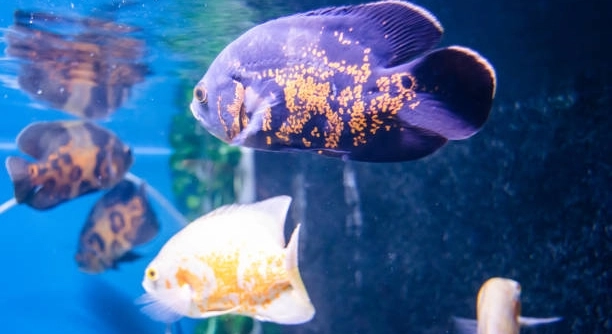
Oscar fish are known for their intelligence and strong personalities, often forming bonds with their owners. If you’ve noticed your Oscar fish watching you eat, you might be curious about the reasons behind this behavior.
The reason your Oscar fish watches you eat could be due to its natural curiosity and association with food. Oscars are intelligent and often learn to recognize their owners, expecting food when they see you. This behavior is typically linked to their feeding habits.
Understanding the behavior can help you build a stronger bond with your fish and create a better feeding routine for both of you.
Why Oscars are So Observant
Oscar fish are highly intelligent and naturally curious creatures. Their ability to learn from their environment makes them more engaging than other fish species. They tend to recognize patterns, including when you eat, because they often associate you with food. This observational behavior can become a routine, where they expect to be fed when they see you eating. The more time you spend around them, the more likely they are to observe your actions closely. Oscars may also be intrigued by your movements and the food you’re eating, leading them to focus on you during mealtime.
This behavior isn’t limited to just eating. Oscars are known to watch their owners and follow movements around the tank. If you spend time near the tank regularly, your Oscar will likely grow accustomed to your presence and become more interactive. Over time, they may even come to the surface when you approach the tank, anticipating food.
Their curiosity doesn’t end with food. Oscars will watch your movements and even react to your voice, developing a sense of familiarity. This can create a special bond over time, even though they are still fish.
What Does It Mean When They Watch You?
Oscar fish can be very attached to their owners, even if they don’t show it in the way dogs or other pets might. When they watch you eat, it could indicate they are waiting for their next meal. Oscars are often known to be opportunistic feeders, and this behavior is tied to their feeding instincts. Over time, they’ll begin to associate your movements with getting fed.
This behavior can evolve into something more. Oscars can recognize their owners, and the act of watching you can be a sign of anticipation and trust. It may not just be about food anymore—they’re paying attention because they are familiar with you and your routine. Their observation is a sign of their developing connection with you.
While it can be fun to watch your Oscar interact with you, it’s important to provide them with enough stimulation and care. Ensure their environment stays enriching by introducing variety to their diet and their surroundings. This will not only keep them interested but also help maintain their health. Oscars thrive on routine, and incorporating interaction into their day can improve their well-being.
Why Oscars Watch You Eat
Oscars are naturally curious and intelligent fish, making them more likely to observe their owners. When they watch you eat, they’re likely associating your presence with food. This behavior stems from their feeding habits and recognition of patterns in their environment.
As you consistently feed them, they learn to expect food when they see you, leading them to pay closer attention during mealtime. Oscars can even start to anticipate your movements, recognizing the routine you have around food. Over time, they develop this habit of watching you closely, hoping for a meal. This behavior can be part of their intelligent nature, as they are able to connect you with food sources. Their watchful gaze is simply part of their learning process.
The connection Oscars build with their owners can be more than just about food. They are intelligent enough to notice and react to your movements, learning patterns over time. This interaction helps to strengthen the bond between the fish and its owner.
How to Engage Your Oscar Fish
Engaging with your Oscar fish is a good way to build trust and reduce boredom. While they may be watching you eat, you can turn this into a positive experience by incorporating interaction during feeding times. Try speaking to them or gently tapping on the tank, and see how they respond.
By giving your Oscar attention, you can build a more rewarding connection. Oscars can become attached to their owners and look forward to your visits, expecting both food and interaction. It’s important to mix up feeding routines to keep them engaged, providing mental stimulation. This will help prevent them from becoming too reliant on routine and give them something to look forward to.
Maintaining a healthy environment with different objects or plants in the tank can also provide mental stimulation. Oscars need more than just food; they require both mental and physical enrichment to thrive. This variety keeps them active and mentally sharp.
Feeding Schedules and Their Impact
Oscars tend to learn feeding routines quickly, associating your presence with mealtime. Establishing a consistent feeding schedule helps them understand when to expect food, making them more likely to watch you during meals. They thrive on routine and will anticipate feeding times.
Feeding your Oscar at the same time every day reinforces this behavior. Over time, they’ll grow accustomed to seeing you at certain times, and the watching behavior will become more routine. It also helps manage their hunger levels, ensuring that they aren’t overly aggressive when it’s time for a meal. Consistency in feeding helps keep them healthy.
This consistency also fosters a sense of security for your Oscar, which is important for their overall well-being. By knowing when to expect food, they feel more comfortable and settled. A predictable routine creates a balanced relationship between you and your fish.
Building Trust Through Interaction
Aside from feeding, it’s beneficial to spend time interacting with your Oscar in other ways. Simple activities, like observing them while they swim or gently tapping on the tank, help build trust over time.
Oscars are social fish that enjoy engaging with their environment, especially when it includes their owners. Regular interaction helps your fish recognize you as a source of comfort and food. The more you engage with them outside of feeding, the more likely they will respond positively. This behavior not only strengthens your bond but also keeps your Oscar more relaxed.
The Importance of Tank Environment
A well-maintained tank is crucial for your Oscar’s health and behavior. Regular cleaning, proper filtration, and maintaining water temperature are all important factors that influence their mood and activity level. Oscars thrive in stable environments.
A clean and well-structured tank encourages your Oscar to be more active and curious, helping them feel secure. A stress-free fish is more likely to interact with its owner and show less aggression. Keep their environment in check, and you’ll see improvements in their behavior and interaction with you.
FAQ
Why does my Oscar fish stare at me?
Oscars are highly intelligent fish, and they often form bonds with their owners. When your Oscar stares at you, it’s likely because it recognizes you as the source of food and interaction. This behavior can be linked to its curiosity and desire to connect with you. Oscars are also opportunistic feeders, meaning they may be watching you to anticipate their next meal. Over time, this behavior becomes more consistent, and the fish may actively look for you during feeding times.
Does my Oscar fish get bored?
Yes, Oscar fish can get bored, especially in tanks that lack stimulation. They are intelligent and active fish that need both mental and physical enrichment. If your Oscar seems more agitated or listless, it could be a sign of boredom. Providing toys, plants, or hiding spots in the tank can help engage them. It’s also essential to vary their diet and feeding routine to keep things interesting. Without proper stimulation, Oscars may start to exhibit signs of stress, such as increased aggression or swimming patterns.
How do I know if my Oscar fish is hungry?
Your Oscar will show signs of hunger by becoming more active and following you around the tank. If they’re staring at you or coming to the surface when you approach, they might be expecting food. Oscars are generally not shy about letting you know when they’re hungry, and their anticipation of food can lead them to watch you closely. Another sign is if they swim near the surface or “beg” for food whenever you’re nearby. Establishing a consistent feeding schedule can help your Oscar understand when it’s time to eat, reducing constant begging.
Why is my Oscar fish so aggressive?
Aggression in Oscars is often linked to territorial behavior or hunger. They are naturally territorial and may exhibit aggression toward other fish in the tank. If your Oscar is the only one in the tank, aggression might be a sign of frustration or stress. Another possible cause is hunger—when Oscars are not fed regularly or properly, they can become more aggressive, especially around mealtime. Ensuring the right tank size and providing proper feeding schedules can help reduce aggression. Sometimes, aggressive behavior can also be linked to the environment, such as inadequate water conditions or improper tank setup.
Can Oscars live with other fish?
While Oscars can live with other fish, they tend to be territorial and may show aggression toward tankmates, especially those that are smaller or have long fins. It’s best to house them with larger, more robust fish that can hold their own. Species like large catfish, plecos, and other cichlids are often compatible with Oscars. However, always monitor their behavior when introducing new tankmates to ensure there’s no aggression. Proper tank size is also critical to reduce territorial conflicts. A large tank with enough space can help mitigate some of the aggression.
How can I tell if my Oscar is stressed?
Stress in Oscars can be observed through changes in their behavior or appearance. If your Oscar is swimming erratically, hiding more than usual, or displaying rapid gill movements, these could be signs of stress. Stress can also cause Oscars to become more aggressive or lethargic. Other signs include loss of appetite, abnormal coloration, or visible changes in their fins or skin. Stress can be caused by poor water conditions, overcrowding, a lack of stimulation, or environmental changes. It’s important to address the underlying cause of stress to ensure your Oscar remains healthy.
What do Oscar fish like to eat?
Oscar fish are carnivorous and thrive on a protein-rich diet. They will enjoy a variety of live, frozen, and pellet foods. Common options include live or frozen worms, shrimp, and small fish. Pellet food formulated for cichlids is a convenient option and provides balanced nutrition. It’s essential to offer a variety of foods to keep your Oscar interested and ensure it gets the necessary nutrients. While they primarily eat meat, offering occasional vegetables can add variety to their diet. Always be mindful not to overfeed, as this can lead to health problems.
How can I make my Oscar fish more interactive?
Making your Oscar more interactive can be achieved through consistent engagement. Try spending time near the tank, talking to your fish, and even gently tapping the glass to see if your Oscar responds. Some Oscars may learn to recognize you and react when you approach. Changing up their environment, adding new objects to explore, or offering a variety of foods can also keep them engaged. Oscars thrive on routine, so incorporating interaction during feeding times or at regular intervals helps them build a stronger bond with you.
Why does my Oscar fish swim in circles?
Oscars may swim in circles due to several reasons, including stress, boredom, or tank conditions. If the water quality is poor or the tank is too small, Oscars might engage in repetitive swimming behavior. This behavior can also be a sign of territoriality if there are other fish in the tank. If your Oscar is the only fish, it might be exploring its space or looking for food. However, if this behavior is accompanied by other signs of distress, like loss of appetite or abnormal movements, it could indicate a health issue or poor water quality.
How do I improve my Oscar’s tank environment?
To improve your Oscar’s tank environment, start by ensuring the tank is large enough—at least 55 gallons for a single Oscar. They need plenty of space to swim. Maintain proper water parameters, including pH, ammonia, nitrites, and nitrates, as well as a stable water temperature between 75-82°F. Adding plants, rocks, or driftwood can give your Oscar places to hide or explore. Proper filtration is essential to keep the water clean. Regular water changes will also help maintain a healthy environment. Avoid overcrowding, as this can lead to stress and aggression.
Final Thoughts
Oscars are fascinating and intelligent fish that can develop a strong connection with their owners. The way they watch you eat, interact with you, and react to their environment speaks to their curiosity and their ability to learn routines. Understanding their behavior, such as staring at you or becoming more active during mealtime, is part of building a relationship with them. Their watchful gaze is often a sign of affection, trust, and anticipation. Oscars, like many pets, respond to consistency and the care you provide, making them interesting companions in your aquarium.
However, maintaining a healthy environment for your Oscar goes beyond just feeding them on time. Creating a comfortable and secure space in their tank is key to keeping them happy and reducing stress. The right tank size, proper filtration, and a stable water temperature are all vital elements. When these factors are in place, your Oscar will be less likely to act aggressively or become bored. Regular interaction and providing stimulating objects in the tank can also improve their well-being, making them feel less isolated and more engaged.
As with any pet, patience and observation are essential. Over time, you’ll learn more about your Oscar’s personality and preferences. Whether they’re watching you eat or swimming through their tank, these small behaviors offer a glimpse into their world. By ensuring their physical and emotional needs are met, you’ll likely see your Oscar grow more attached to you. Understanding why your Oscar watches you eat not only explains their behavior but also deepens your bond, making their companionship even more rewarding.

Hello,
If you enjoy the content that we create, please consider saying a "Thank You!" by leaving a tip.
Every little bit helps us continue crafting quality advice that supports the health, happiness, and well-being of pets around the world, for pets of all shapes, sizes, and species.
We really appreciate the kindness and support that you show us!