
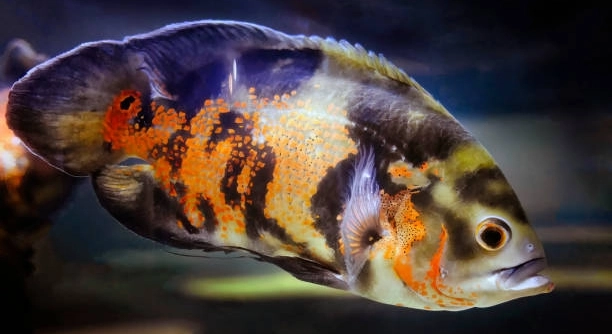
Oscar fish are beautiful, but their tanks require special care. Many tank owners may not realize certain actions can harm both the fish and the aquarium environment. It’s essential to be aware of what to avoid.
To maintain a healthy tank, it is crucial to avoid disturbing the Oscar’s environment in harmful ways. Common mistakes include overfeeding, placing incompatible tank mates, using harsh chemicals, and making sudden water changes, all of which can stress the fish.
Understanding these precautions will help you maintain a peaceful, healthy environment for your Oscar fish. Keep reading to learn more about what to avoid.
Overfeeding Your Oscar Fish
Overfeeding is one of the most common mistakes that can negatively impact your Oscar’s health. Oscars are known to be greedy eaters, and they often beg for food. However, providing too much food can lead to water pollution and digestive issues for the fish. Excess food decomposes in the tank, raising ammonia levels, which harms the fish and creates unhealthy water conditions.
Feeding your Oscar only as much as it can consume in about 2-3 minutes is a good rule of thumb. This helps prevent uneaten food from deteriorating in the tank. Avoid feeding them too frequently, as this can also stress the fish and lead to obesity.
To make sure your Oscar is getting the right amount of food, monitor their eating habits and adjust feeding times accordingly. This will help keep both the fish and the tank healthy for the long term. Remember, it’s better to feed small portions and add more if necessary.
Mixing Incompatible Tank Mates
Some tank mates simply aren’t a good fit for Oscars. Oscars are territorial and aggressive, which means they often clash with smaller or slower fish. Introducing aggressive fish or those that cannot defend themselves can lead to stress, injury, or even death.
Choosing the right tank mates is crucial for maintaining a peaceful environment. Opt for large, robust fish that can handle the aggression of Oscars. Avoid smaller fish, as Oscars may try to eat them. It’s also important to provide plenty of hiding spots in the tank so that all fish have a chance to escape if necessary.
A well-balanced tank will not only keep your Oscar happy but also prevent aggression and territorial disputes.
Using Harsh Chemicals in the Tank
Harsh chemicals, such as chlorine or ammonia-based cleaners, can be extremely harmful to your Oscar fish. These chemicals may seem effective for cleaning, but they disrupt the delicate balance of the tank. They can damage your fish’s sensitive skin, gills, and even their overall health.
Instead of using harsh chemicals, stick to fish-safe cleaners and natural products. You can use water conditioners that help remove chlorine and chloramine from tap water. Regular water changes and tank maintenance can also keep the environment clean without the need for harmful chemicals. Keep an eye on water quality and make adjustments when necessary.
By avoiding chemicals, you create a safer environment for your Oscar fish, allowing them to thrive in a more natural, healthy habitat. Relying on gentler alternatives ensures that your tank stays clean and your fish remain stress-free.
Making Sudden Changes to Water Conditions
Oscars are sensitive to sudden changes in water temperature, pH, or hardness. Rapid fluctuations in these factors can cause significant stress, which weakens their immune system and makes them more vulnerable to disease. Even small changes in water chemistry can have a big impact on their well-being.
Gradually adjusting the water conditions is key to keeping your Oscar healthy. Use a water test kit to monitor the tank’s pH, ammonia, nitrites, and nitrate levels regularly. When making changes to the tank, do so slowly, allowing the fish to adapt. For temperature adjustments, use a reliable aquarium heater and avoid large, quick changes.
By managing the water conditions gradually, you help prevent stress and promote a more stable environment for your fish. Keeping a close watch on these factors ensures your Oscar remains happy and healthy.
Overcrowding the Tank
Overcrowding an Oscar tank can lead to stress, disease, and poor water quality. When too many fish are in a tank, they compete for space, oxygen, and food, which can lead to aggression and health problems.
A general rule is to provide at least 55 gallons of water for each adult Oscar fish. This ensures they have enough room to swim and establish territories. Be mindful of the number of fish in the tank, as overcrowding can lead to poor water conditions and aggressive behavior.
Maintaining a tank with adequate space reduces stress and keeps your Oscar fish healthy. A well-sized tank also improves water quality and minimizes territorial disputes.
Ignoring Tank Maintenance
Ignoring tank maintenance can quickly lead to poor water quality and unhealthy living conditions for your Oscar fish. Regular cleaning and water changes are essential to keep the environment stable.
Performing partial water changes every week and vacuuming the substrate to remove debris will help maintain a healthy tank. Regularly check the filter to ensure it’s working efficiently. Without these steps, your tank can become a breeding ground for harmful bacteria.
Keeping the tank clean prevents water pollution and ensures your Oscar fish remain in a healthy environment. Regular maintenance also helps extend the life of your aquarium equipment.
Exposing the Tank to Direct Sunlight
Direct sunlight can cause excessive algae growth in the tank. Algae can cloud the water and take away vital nutrients from your Oscar fish. It can also lead to temperature fluctuations, which can stress your fish.
Avoid placing the tank in areas where it receives direct sunlight for extended periods. Positioning the tank away from windows or using curtains to block sunlight can help maintain stable water conditions. If the tank is exposed to too much light, algae will thrive, which can disrupt the overall balance of your aquarium.
A shaded or controlled lighting environment keeps your tank clean and your fish healthy. Proper lighting management is key for maintaining a clear, stress-free tank for your Oscars.
FAQ
How often should I feed my Oscar fish?
Feed your Oscar fish once or twice a day, offering only as much food as they can consume in 2-3 minutes. Overfeeding can lead to water pollution and obesity. It’s essential to keep the feeding schedule consistent and ensure all food is eaten. If there’s leftover food, remove it to prevent it from decaying in the tank.
Can I keep multiple Oscars in the same tank?
While it is possible to keep multiple Oscars in the same tank, you need a large space to prevent aggression and territorial disputes. Oscars are territorial and can fight, especially during breeding season. A tank of at least 100 gallons is recommended if you’re keeping more than one Oscar.
What is the ideal tank size for an Oscar?
The minimum tank size for one adult Oscar is 55 gallons. Oscars grow large, so they need plenty of swimming space. If you plan to keep multiple Oscars, the tank size should increase accordingly, with a recommendation of 100 gallons or more for two fish.
What water temperature is best for Oscars?
Oscars thrive in water temperatures between 74°F and 81°F (23°C – 27°C). Maintaining a stable temperature is crucial to prevent stress and illness. Using an aquarium heater will help ensure the water stays within the ideal range. Avoid sudden temperature fluctuations.
What should I do if my Oscar isn’t eating?
If your Oscar isn’t eating, check the water quality and make sure it’s within the proper range. Poor water conditions or temperature fluctuations can cause stress, leading to a loss of appetite. It’s also important to observe for signs of illness, such as bloating or discoloration. If the issue persists, consider consulting an aquarium expert.
Can Oscars live with other types of fish?
Oscars can live with certain types of fish, but it’s important to choose compatible tank mates. They are often aggressive, so avoid small or slow-moving fish that might be bullied or eaten. Large, hearty fish like plecos or larger cichlids are better companions.
How do I keep my Oscar’s tank clean?
Regular tank maintenance is essential for keeping the water clean and healthy. Perform weekly partial water changes, remove debris from the substrate, and clean the filter. A good filtration system is key to maintaining water quality. Monitor ammonia, nitrite, and nitrate levels frequently to ensure they remain in safe ranges.
Do Oscars need a filter?
Yes, Oscars require a high-quality filter. They produce a lot of waste, which can quickly pollute the water. A powerful filtration system is necessary to keep the tank clean and maintain proper water conditions. Be sure to clean or replace the filter media regularly to prevent clogging and ensure efficiency.
Why does my Oscar swim erratically?
Erratic swimming behavior can indicate several issues, such as poor water quality, stress, or illness. Check the water parameters immediately, and ensure the tank is properly maintained. If the problem persists, look for signs of illness like bloating, abnormal spots, or discolored fins. It may be necessary to consult a vet or aquarium specialist.
What do I do if my Oscar is being aggressive?
Oscar fish are known for their territorial nature. If aggression becomes a problem, ensure they have enough space and hiding spots. If you’re keeping multiple Oscars, consider separating them to reduce stress and fighting. Adding tank mates that can hold their own may help reduce aggression as well.
How often should I change the water in my Oscar tank?
Change 25-30% of the water every week to maintain optimal water quality. Regular water changes prevent the buildup of harmful toxins like ammonia and nitrates. Always use a water conditioner to treat tap water and ensure it’s safe for your Oscar.
Can I keep plants in my Oscar tank?
Yes, you can keep plants in your Oscar tank, but they need to be hardy and able to withstand the Oscar’s movements and digging. Oscars often uproot plants, so consider using sturdy plants like Java ferns or Anubias. Avoid delicate plants, as they may not survive the Oscar’s behavior.
What should I do if my Oscar has a disease?
If your Oscar shows signs of disease, such as unusual spots, discoloration, or lethargy, isolate it from other fish. Perform a water test to check for imbalances and consider using a quarantine tank to treat the fish. Consult a vet or aquarium expert for proper treatment based on the symptoms.
How can I tell if my Oscar is stressed?
Signs of stress in an Oscar include erratic swimming, loss of appetite, faded colors, or hiding. Poor water quality, aggressive tank mates, or incorrect temperature can cause stress. It’s essential to address the underlying cause immediately by adjusting the tank conditions or making changes to the fish’s environment.
Can I use tap water for my Oscar tank?
You can use tap water, but it must be treated first. Tap water contains chlorine and chloramine, which are harmful to your Oscar. Always use a water conditioner to remove these chemicals before adding the water to your tank. Test the water’s pH and hardness to ensure it’s suitable for your fish.
How do I know if my Oscar is male or female?
Distinguishing between male and female Oscars can be difficult. However, males tend to have larger, more rounded bodies and more vibrant colors. Females are usually smaller and less brightly colored. During breeding season, the male may display more aggression and territorial behavior.
Final Thoughts
Oscar fish can be a rewarding addition to any aquarium, offering beauty and personality. However, keeping them healthy requires understanding their needs and maintaining the right environment. Ensuring they have enough space, proper water conditions, and a balanced diet are key to their well-being. They thrive in large tanks with proper filtration, so take time to set up their habitat correctly from the start. Regular tank maintenance, like water changes and cleaning, is essential to keep your Oscar healthy and happy.
It’s also important to consider their temperament. Oscars can be aggressive and territorial, especially if kept with smaller fish. Careful selection of tank mates and providing plenty of hiding spots can help reduce stress and aggression. Monitoring their behavior closely will help you spot potential problems early. Always be mindful of how your Oscar interacts with other fish and adjust the tank setup accordingly to avoid unnecessary conflict.
Taking the time to understand your Oscar’s needs and adjusting their environment can make all the difference in their health and longevity. Regular check-ups on water quality, temperature, and feeding routines will keep them comfortable. A little attention and care will ensure that your Oscar remains a vibrant and active fish for years to come. Ultimately, enjoying your Oscar means providing them with the best possible living conditions and understanding their unique behaviors.

Hello,
If you enjoy the content that we create, please consider saying a "Thank You!" by leaving a tip.
Every little bit helps us continue crafting quality advice that supports the health, happiness, and well-being of pets around the world, for pets of all shapes, sizes, and species.
We really appreciate the kindness and support that you show us!