
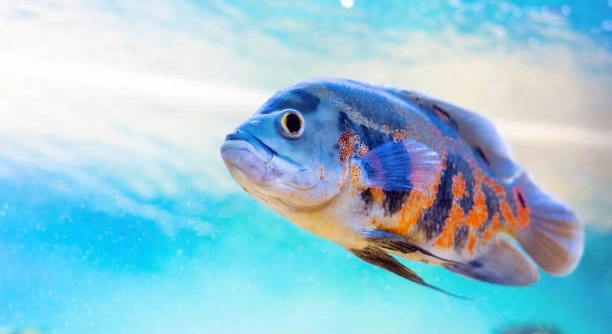
Oscar fish are fascinating creatures, known for their vivid colors and unique personalities. Understanding their quirks can help you better care for these remarkable fish. They are not only beautiful but also full of surprises.
Oscar fish display a variety of distinct personality traits, including being territorial, social, and occasionally moody. These quirks can make them entertaining and sometimes challenging to care for, but knowing them can help manage their behavior effectively.
Each Oscar fish has a personality that makes it stand out. From their love for interacting with their owners to their unpredictable moods, these traits shape their behavior. Understanding these quirks will help you create a better environment for your fish.
Territorial Behavior
Oscar fish are known for their strong territorial instincts. They will often claim a part of the tank as their own and become very protective of it. This behavior is typical of many cichlids, and it’s important to create enough space in the tank to avoid conflicts between fish. Territorial Oscars may chase or even attack other fish that venture too close to their claimed area. This can result in stress or injury for both the Oscar and any tankmates.
To prevent aggression, providing hiding spots and decor like rocks or plants can help. Creating multiple territories in the tank makes it less likely that Oscars will feel the need to defend their space constantly. This can lead to a calmer environment where each fish has its own space. Oscars can also become more tolerant of other fish if they are introduced gradually and in a tank with enough space.
When Oscars display territorial behavior, it’s usually not because of malice but due to their natural instincts. If you have other fish in the tank, it’s important to keep an eye on interactions to ensure the safety and comfort of all your aquatic pets.
Oscar Fish and Their Social Nature
Though they are territorial, Oscar fish can be surprisingly social. They often recognize their owners and may even interact with them during feeding time. They are known for their curiosity, sometimes following movements outside the tank and eagerly responding when someone approaches.
Being social means Oscars enjoy attention, but it’s essential not to overdo it. Too much interaction or too many changes in the tank can cause stress. Oscars do best in a peaceful environment where they feel secure. A comfortable setup with routine care will help keep them healthy and less likely to show signs of aggression or anxiety.
Many owners find their Oscars develop a unique bond with them over time. While they are not as cuddly as some pets, their social nature means they are interested in what’s going on outside the tank. They can even recognize their regular feeding schedule, making them more predictable and easier to care for.
Aggressive Moods
Oscar fish can be unpredictable in their moods. One moment, they might be calm and relaxed, and the next, they can become agitated and aggressive. This can be triggered by changes in the environment, such as water quality, temperature, or the presence of new tank mates.
Aggressive Oscars may display warning signs, such as flaring their gills or chasing other fish. If they feel threatened or stressed, they may attack their tank mates or even try to break through the tank glass. It’s important to monitor their behavior closely to avoid any harm to other fish.
Understanding what causes an Oscar’s aggression is key to managing it. Providing a stable environment, with consistent water parameters and appropriate tank mates, can help minimize stress. Giving Oscars enough space to establish their territory can also prevent aggression from escalating into fights. Regular observation helps in identifying triggers and resolving any issues before they get out of hand.
Playful Behavior
Despite their sometimes aggressive tendencies, Oscar fish can also be quite playful. They often interact with objects in their tank, such as rocks, plants, or even decorations. This playful behavior can be a sign that your fish is comfortable and happy in its environment.
Oscars have been known to nudge or push objects around in their tank, seemingly for fun. Some even enjoy interacting with their owners, coming up to the tank glass to “play” by following fingers or responding to movements. This behavior shows their intelligence and curiosity.
While playful Oscars can be a joy to watch, it’s important to provide a tank that offers plenty of enrichment. This can include hiding spots, floating objects, or different textures for them to explore. The more engaged your Oscar is, the less likely it will become stressed or bored.
Feeding Habits
Oscar fish can be very particular about their feeding habits. They are not picky eaters, but they do tend to be quite enthusiastic during feeding time. They are known to eagerly accept a variety of foods, from pellets to live or frozen options.
They may even try to grab food directly from your hand if you’re feeding them that way. Oscars are opportunistic feeders, meaning they will eat whatever is offered, so it’s important to provide a balanced diet to keep them healthy. Overfeeding should also be avoided, as it can lead to obesity or poor water quality.
Providing a varied diet helps stimulate Oscars and keeps them engaged. Offering different types of food can also prevent them from getting bored with their meals. A nutritious diet can contribute to the overall health of your Oscar, improving both their appearance and behavior.
Tank Conditions
Oscar fish thrive in stable tank conditions. They require a well-maintained environment with consistent water parameters, including temperature, pH levels, and filtration. Any changes in these conditions can stress them out and lead to health problems.
Oscars prefer slightly warmer water, typically around 75-80°F, and a filter strong enough to maintain water quality. They also need a tank with plenty of swimming space to move around, especially as they grow larger. Regular water changes and checking the filter system are essential for their well-being.
Tank Mate Compatibility
Oscar fish may not always be the best choice for community tanks. They can be aggressive, especially when they feel their territory is threatened. It’s important to choose tank mates that can handle Oscar’s temperamental nature.
When selecting tank mates, go for fish of a similar size, as Oscars can sometimes become predatory toward smaller fish. Avoid placing them with timid species or those that require very different water conditions. A properly sized tank with plenty of hiding places can help mitigate aggression and allow all fish to coexist more peacefully.
FAQ
Why is my Oscar fish so aggressive?
Aggression in Oscar fish can be due to a variety of reasons. Most commonly, it’s related to territorial behavior. Oscars tend to defend their space, especially in a smaller tank. If they feel threatened by other fish or even by their environment, they might become more aggressive. Changes in water quality, temperature, or adding new fish can also trigger aggression. Overcrowding or not providing enough hiding spots in the tank may make them feel stressed, leading to increased aggression. Ensuring a stable tank with enough space and appropriate tank mates can help reduce this behavior.
How do I calm down an aggressive Oscar fish?
Calming an aggressive Oscar involves addressing the stressors causing the behavior. Start by making sure your tank is large enough for your Oscar to have its own space. Adding more hiding spots or decorations can also reduce territorial conflicts. If your Oscar is aggressive toward other fish, consider separating them to avoid injury. You can also try to keep the tank’s water parameters stable, as sudden changes in temperature or water quality can stress Oscars. Lastly, feeding your Oscar regularly and in a consistent manner helps to reduce anxiety.
Can Oscars live with other fish?
While Oscars can live with other fish, their compatibility depends on the size and temperament of the tank mates. Oscars are large and can become aggressive, so they’re better suited for tanks with larger, more robust fish. Avoid placing Oscars with small or shy fish, as they may be seen as prey. Other cichlids or fast-moving, equally sized fish tend to do better with Oscars. Keep in mind that some Oscars may not tolerate tank mates at all, especially if they feel their territory is being threatened. Always monitor their interactions.
What should I feed my Oscar fish?
Oscar fish are carnivores and enjoy a varied diet. They can be fed pellets, live or frozen foods like worms, shrimp, or small fish. Offering a mix of food ensures they get all the nutrients they need. Oscars also enjoy occasional treats, such as freeze-dried foods. However, it’s important to avoid overfeeding, as this can lead to water quality issues and health problems. A balanced diet, including protein-rich food and occasional plant matter, will keep your Oscar healthy and active. Be sure to feed them in moderation and remove any uneaten food promptly to prevent water contamination.
How big does an Oscar fish get?
Oscar fish can grow quite large, typically reaching about 12-14 inches in length in captivity. Some Oscars, depending on their environment and care, can even grow up to 18 inches. Given their potential size, it’s important to provide a spacious tank to accommodate their growth. A 55-gallon tank is the minimum recommended size for one adult Oscar, though a larger tank is preferred. Keeping your Oscar in an appropriately sized tank ensures it has enough room to swim comfortably and minimizes stress.
What size tank do I need for an Oscar?
For a single Oscar fish, a tank of at least 55 gallons is necessary. However, if you plan to keep more than one Oscar or add other large fish, you’ll need a larger tank—around 75-100 gallons would be ideal. This ensures your Oscar has plenty of space to swim and establish its territory. A larger tank also helps maintain better water quality and reduces stress. As Oscars grow, they need ample swimming space, and overcrowding can lead to aggression and health issues.
How often should I change the water for my Oscar?
Regular water changes are crucial to keeping your Oscar healthy. Ideally, you should change 25-30% of the water every 1-2 weeks. If you have a smaller tank or multiple fish, more frequent changes may be necessary. Oscars are messy eaters, and their waste can quickly affect water quality. Using a high-quality filter can help maintain cleaner water between changes. Always monitor water parameters such as ammonia, nitrites, and nitrates, as Oscars are sensitive to poor water quality. Keeping the water clean helps reduce stress and the risk of disease.
Do Oscars recognize their owners?
Yes, Oscar fish are known to recognize their owners. They are intelligent creatures and can learn to associate you with feeding times. Some Oscars will even approach the tank when they see you, and they might follow your finger along the glass. This behavior is a sign of their social nature and curiosity. While they may not show affection like a dog or cat, they can certainly form bonds with their owners and become more interactive over time.
Why does my Oscar keep swimming in circles?
If your Oscar is swimming in circles, it could be a sign of stress, poor water quality, or lack of stimulation. Oscars are curious and active fish, but excessive swimming in circles can indicate something is wrong. It’s important to check your water parameters first, as poor water quality can cause confusion or disorientation. Adding enrichment, such as rocks or plants, can help your Oscar feel more secure and prevent boredom. If the behavior continues, consider consulting an aquarium professional to ensure there are no underlying health issues.
Can Oscar fish live with other Oscars?
Oscar fish can live with other Oscars, but it can be tricky. Oscars are territorial and may fight over space, especially if the tank is too small. If you plan on keeping more than one Oscar, make sure the tank is large enough to accommodate them both comfortably. A 75-gallon or larger tank is recommended for multiple Oscars. Additionally, adding them to the tank at the same time can help prevent territorial disputes. However, even in larger tanks, some Oscars may still fight, so it’s important to monitor their behavior closely.
How can I tell if my Oscar fish is sick?
Oscar fish can show signs of illness in a few ways, such as reduced activity, loss of appetite, or abnormal swimming behavior. Other signs to watch for include clamped fins, cloudy eyes, or lesions on the skin. If your Oscar begins to behave differently or shows physical symptoms, check the water quality first, as poor water conditions are often the cause of illness. If the water is fine, you may need to isolate the fish and treat it with appropriate medication. It’s always best to seek advice from a vet or fish expert for proper diagnosis and treatment.
Final Thoughts
Oscar fish are captivating creatures with distinct personalities, making them a popular choice for many aquarium enthusiasts. While they are known for their beauty and intelligence, they do come with some unique challenges that can be both rewarding and frustrating to handle. Understanding their behavior, particularly their territorial and aggressive tendencies, can help create a better environment for them and prevent unnecessary stress for both the fish and its tank mates. A well-kept tank with plenty of space and hiding spots can go a long way in keeping an Oscar comfortable and content.
The social nature of Oscars adds another layer of complexity to their care. Though they can form bonds with their owners, they still require consistent attention to their living conditions. Providing a balanced diet, maintaining water quality, and ensuring the tank size is appropriate for their growth are all essential for keeping them healthy. Oscars are intelligent fish, and their playful behavior and interactions with their owners can be highly engaging, making them fascinating pets to care for. However, their social needs and their occasional mood swings can make them a bit more demanding than other species.
In the end, owning an Oscar fish can be a highly rewarding experience if you’re prepared to meet their needs. Their quirks and behavior are part of what makes them so interesting, and with the right care, they can thrive in your tank for years. It’s important to consider the space, environment, and other fish you plan to keep with them, as their personality quirks can sometimes cause conflicts. If you take the time to understand them and provide a suitable home, your Oscar fish will undoubtedly become a fascinating and enjoyable part of your aquarium setup.

Hello,
If you enjoy the content that we create, please consider saying a "Thank You!" by leaving a tip.
Every little bit helps us continue crafting quality advice that supports the health, happiness, and well-being of pets around the world, for pets of all shapes, sizes, and species.
We really appreciate the kindness and support that you show us!