
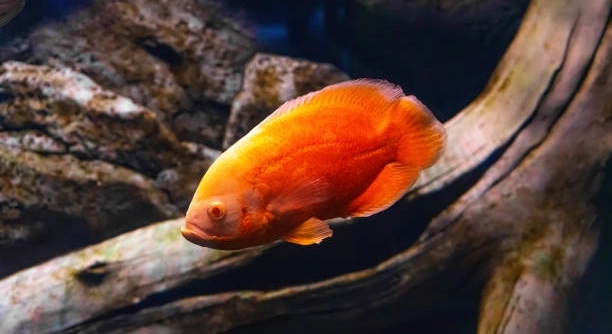
Oscar fish are known for their lively personalities, but sometimes, they might hide for days without a clear reason. This behavior can be confusing, especially if you’re used to their active nature. Understanding why can help you better care for your pet.
There are several potential reasons your Oscar might suddenly hide. Stress, illness, changes in water quality, or even environmental factors like lighting could be contributing factors. Identifying and addressing the root cause is crucial to your fish’s well-being.
Learning more about these factors will help you keep your Oscar healthy and comfortable in its environment. Understanding what affects them can ensure they’re happy and active again.
Stress or Environmental Changes
Stress is one of the main reasons why your Oscar may choose to hide. These fish are very sensitive to changes in their environment, which can make them feel unsafe. It could be something as simple as a sudden change in water temperature, new tank mates, or even loud noises near the aquarium. Oscars are territorial creatures, and any disruption in their space can cause them stress. If you’ve recently rearranged the tank, moved the tank, or introduced new elements, this could be the cause of their hiding behavior.
Even seemingly small changes, like the placement of decorations or the introduction of a new filter, can make your Oscar feel uneasy. They may retreat to a safe spot in the tank to feel secure and avoid potential threats. Once they feel the environment is stable again, they may resume their usual activity.
You can reduce stress by maintaining a consistent environment for your Oscar. Regular water changes, stable tank conditions, and limiting unnecessary disturbances will help your fish feel more comfortable.
Poor Water Quality
One of the most common reasons for fish hiding is poor water quality. If your tank’s water parameters are off, it can cause your Oscar to become lethargic and retreat. Oscars are especially sensitive to changes in pH, ammonia levels, and nitrate levels. It’s crucial to test the water regularly and adjust it as needed.
Unclean water can lead to skin irritation or even make your fish sick, making them seek out a quiet hiding place. If you notice other signs like faded colors or erratic swimming, it’s likely that the water is the issue. Check the filtration system and ensure it’s working properly, as a malfunctioning filter can result in water quality problems.
When dealing with water quality issues, it’s best to act quickly. Perform partial water changes to restore healthy conditions, and clean the filter to ensure proper filtration. Doing so can help bring your Oscar back to their usual energetic self in no time.
Illness or Injury
If your Oscar is hiding and shows other signs of illness, it’s important to check for physical symptoms like redness, swelling, or damaged fins. Oscars can easily get infections or parasites, especially if water conditions are poor. They might try to hide to protect themselves while they recover or avoid further stress.
If your Oscar’s hiding is paired with abnormal behavior, such as swimming sideways or rubbing against objects, these are signs they may be unwell. Infections or parasites can cause discomfort, making the fish retreat into a secluded part of the tank. It’s essential to act fast in these cases.
Consult with a vet who specializes in fish if you suspect illness. Early diagnosis and treatment can prevent serious health problems and help your Oscar recover quickly. Providing clean water and proper nutrition also supports their immune system during the healing process.
Tank Size and Space
Oscar fish need a lot of room to feel comfortable. If the tank is too small, they may become stressed and hide more often. A cramped environment can make them feel trapped, leading them to retreat into corners or behind decorations.
It’s essential to provide at least a 75-gallon tank for an adult Oscar, but larger tanks are even better. When there’s enough space to swim freely, your Oscar will be less likely to feel anxious or confined. A properly sized tank will also help reduce territorial behavior, which can further alleviate hiding tendencies.
In addition to space, ensure there’s enough hiding places in the tank. Though Oscar fish might hide when stressed, having areas to retreat to can also help them feel secure. Balancing the space and number of hiding spots will keep your Oscar both comfortable and active.
Lighting and Tank Placement
Oscars prefer low to moderate lighting. If the lights in their tank are too bright, they might feel exposed or stressed, causing them to hide. Ensure that the lighting in the room and tank is suitable for their needs.
If you’ve recently changed the lighting or placed the tank in a brightly lit area, consider adjusting it. Oscars thrive in dimmer conditions, mimicking the natural habitat where they often seek shelter under rocks or plants. Reducing excessive light can help your Oscar feel more secure.
Overcrowding or Aggressive Tankmates
Aggressive tankmates can make your Oscar feel threatened, causing them to hide to avoid conflict. Oscars are territorial and don’t always get along with other fish. Overcrowding can also contribute to stress, making them retreat.
It’s essential to choose tankmates wisely. Large, peaceful fish that won’t threaten the Oscar’s space are ideal companions. Remove overly aggressive fish to prevent further stress. If overcrowding is an issue, consider upgrading your tank size. A more spacious tank can help maintain harmony among the inhabitants and allow your Oscar to feel more secure.
FAQ
Why is my Oscar fish hiding all of a sudden?
Oscars can hide for many reasons, including stress, illness, poor water quality, or even environmental changes. If your fish was previously active and suddenly starts hiding, it’s important to check for any changes in the tank. Common issues could be temperature fluctuations, new tank mates, or a dirty environment. Make sure the water parameters (ammonia, nitrate, pH) are stable, and that the tank is big enough for your Oscar. Consider any recent changes in the setup that might have caused them stress.
How can I tell if my Oscar fish is sick?
When an Oscar is unwell, it may show signs like loss of appetite, faded colors, abnormal swimming patterns, or rubbing against tank decorations. Other signs include swelling, lesions on the skin, or labored breathing. If you notice these symptoms, it’s crucial to check the water quality, as poor conditions can lead to illness. If the symptoms persist, a trip to a vet who specializes in fish is recommended for proper treatment.
How do I know if my Oscar is stressed?
Stress in an Oscar can be recognized by behaviors such as hiding, reduced activity, loss of appetite, or excessive darting around the tank. Stress is often triggered by changes in the environment, like loud noises, aggressive tankmates, or water quality problems. Observe your Oscar carefully and make sure they’re in a calm, clean, and appropriately sized tank. Stress can weaken their immune system, so it’s important to address the cause quickly.
What are the ideal tank conditions for an Oscar fish?
An Oscar requires clean, well-filtered water and stable conditions. The tank should be at least 75 gallons for one Oscar, with an ideal temperature range of 74-81°F (23-27°C). pH should be between 6.5-7.5, and ammonia and nitrites should always be at zero. Regular water changes, ideally 25-30% per week, will help keep the water quality high. Proper filtration is necessary to maintain a healthy environment.
Can Oscars live with other fish?
Oscars can live with other fish, but care must be taken when choosing tankmates. Oscars are aggressive and territorial, so pairing them with smaller or more passive fish may not be a good idea. Larger, peaceful fish like plecos, large catfish, or other robust species are often good companions. Avoid aggressive species, as they can lead to stress or even injury to your Oscar. Ensure the tank is large enough for all inhabitants to have enough space.
How often should I feed my Oscar fish?
Oscar fish should be fed 2-3 times a day, providing only as much food as they can consume within 5 minutes. Their diet should consist of high-quality pellets, frozen or live food like worms, shrimp, and occasional vegetables. Avoid overfeeding, as excess food can lead to poor water quality and health issues. Regular feeding helps maintain a healthy metabolism, but it’s important to monitor their weight and adjust feeding schedules as needed.
Why is my Oscar hiding and not eating?
If your Oscar is hiding and not eating, it could be a sign of illness, poor water quality, or stress. Stress from environmental changes, such as new tank mates or fluctuating water conditions, could make your fish retreat and lose its appetite. Illness can also cause a loss of appetite, as can high levels of toxins in the water. Check the water parameters, and if everything seems fine, observe your fish for any other symptoms of illness. If the behavior continues, consider consulting a vet who specializes in fish.
How can I prevent my Oscar from hiding so much?
Preventing excessive hiding involves making sure your Oscar is in a stable, clean, and appropriately sized environment. Ensure that there’s minimal stress from loud noises, overcrowding, or aggressive tankmates. Providing hiding places like caves or plants can also help your Oscar feel secure. Stable water conditions, a balanced diet, and regular tank maintenance will reduce the chance of stress and illness, encouraging your fish to be more active.
What should I do if my Oscar is constantly hiding?
If your Oscar is constantly hiding, you first need to check the water conditions, as poor water quality is often the main reason for this behavior. Test the water for ammonia, nitrites, and pH levels. If the water quality is fine, consider if any changes have been made to the tank recently, such as new tankmates, decorations, or lighting. If everything seems normal, your fish may be stressed or sick, so closely monitor for other signs and act accordingly.
How can I improve the water quality for my Oscar fish?
To improve water quality, perform regular water changes, ideally 25-30% of the water every week. Test the water for ammonia, nitrites, and nitrates regularly, and make adjustments as needed. Ensure your filtration system is adequate for the size of your tank, as Oscars produce a lot of waste. Using a good filter will help maintain clean water, reducing the likelihood of stress or illness. Adding live plants can also help stabilize water conditions by absorbing excess nutrients.
Final Thoughts
Understanding why your Oscar fish hides is crucial to ensuring its well-being. There are several possible reasons for this behavior, such as stress, illness, poor water quality, or environmental factors like lighting and tank conditions. Oscars are sensitive creatures that can quickly become stressed by changes in their environment, whether it’s new tankmates, a change in water quality, or even something as simple as a shift in the tank’s lighting. The key is to observe your fish and the tank carefully to identify any potential issues that could be causing this behavior.
If your Oscar is hiding frequently, it’s important to check water quality first. Poor water conditions, such as high levels of ammonia or nitrates, can make your fish feel unsafe and stressed, prompting them to retreat into hiding. Regular water testing and maintenance are essential in preventing these issues. Additionally, keeping the tank clean and ensuring it is the right size for your Oscar will contribute to a healthier environment. Keeping the tank well-maintained will not only make your Oscar feel more secure but also prevent long-term health issues.
Addressing stress and ensuring a peaceful environment is also critical. Avoid overcrowding the tank or adding aggressive tankmates that could cause tension. Lighting is another factor that can impact an Oscar’s behavior. Oscars tend to feel more comfortable in dimmer conditions, so making sure the lighting is not too harsh could help reduce hiding. By paying attention to these factors and maintaining a stable environment, your Oscar can live a happier, healthier life. Regular monitoring and care will go a long way in making sure your Oscar feels safe and comfortable in its home.

Hello,
If you enjoy the content that we create, please consider saying a "Thank You!" by leaving a tip.
Every little bit helps us continue crafting quality advice that supports the health, happiness, and well-being of pets around the world, for pets of all shapes, sizes, and species.
We really appreciate the kindness and support that you show us!