
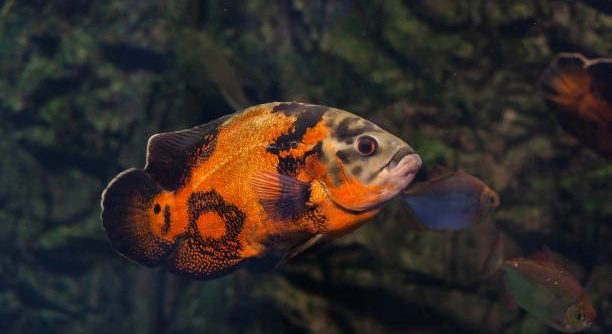
Oscar fish can be sensitive and easily annoyed by various factors in their environment. Understanding what bothers them can help create a peaceful setting for both you and your pet. This can also enhance their well-being.
Oscar fish are quickly irritated by factors such as sudden movements, poor water quality, overcrowding, excessive noise, strong lighting, incompatible tankmates, and inconsistent feeding schedules. These disturbances can lead to stress and health issues if not addressed properly.
Addressing these key triggers will help you maintain a harmonious environment for your Oscar fish and improve their overall comfort.
Sudden Movements and Stress
Oscar fish are easily stressed by sudden movements around their tank. Rapid gestures or unexpected activity can cause anxiety and disrupt their sense of security. These fish are naturally cautious and prefer a calm, stable environment. Sudden movements can lead to a defensive reaction, including hiding or even aggression. This stress can also affect their health, leading to a weakened immune system and other problems over time.
When interacting with your Oscar, it’s best to approach the tank slowly. Avoid startling them by moving too quickly or banging on the glass. Creating a quiet, calm atmosphere will help prevent stress and maintain their overall health.
Fish thrive when their environment remains predictable. Keeping your movements controlled around the tank allows them to feel safe, reducing anxiety and helping them adapt better to their surroundings. This simple step can make a noticeable difference in their behavior and well-being.
Poor Water Quality and Its Effects
Clean water is essential for the health of your Oscar fish. Polluted or improperly maintained water can quickly lead to health issues.
Oscars are highly sensitive to changes in their environment, particularly water quality. Poor water conditions can cause stress, irritate their skin, and lead to diseases. Regular water changes, filtration, and monitoring the water parameters such as pH, ammonia, and nitrate levels are crucial for their well-being. Keeping the water clean can help avoid these issues, allowing your Oscar fish to live comfortably in their tank.
Overcrowding in the Tank
Overcrowding a tank with too many fish is a common mistake. Oscars need space to swim freely, and too many tankmates can cause stress.
When Oscar fish are kept with too many others, they can feel cramped and uncomfortable. The lack of space can lead to territorial disputes and aggression. Oscars can be quite dominant, so having enough room for each fish to establish its own space is vital. Aim for a tank that provides at least 55 gallons per Oscar to avoid overcrowding. This will help reduce stress and aggression.
In addition to giving each fish ample space, it’s also important to monitor the number and types of other fish in the tank. Oscars tend to get aggressive, especially in confined spaces, and overcrowding only amplifies this behavior. When choosing tankmates, make sure they can coexist peacefully with your Oscar. This balance will help create a more harmonious environment, reducing the chances of conflicts and promoting better overall health for your fish.
Noise and Disturbances
Oscar fish are sensitive to noise, especially loud sounds. High noise levels can cause them stress and discomfort.
Loud noises or constant disturbances can startle Oscar fish, causing them to retreat or act out. This can be particularly harmful when they are trying to relax or sleep. Try to keep the tank in a quiet area of your home, away from loud appliances or televisions. Consistent exposure to noise can result in a stressed fish, affecting its overall health and behavior. Maintaining a calm environment will make your Oscar feel more at ease.
Consider the placement of the tank when setting up your aquarium. Avoid placing it near high-traffic areas or areas where there is a lot of noise. The more peaceful the surrounding environment, the less likely your Oscar will feel stressed. A quiet space encourages calmness, which is important for their long-term health.
Strong Lighting
Oscar fish are sensitive to bright lights. Strong lighting can cause stress, especially if it’s constant or too intense.
Oscars naturally thrive in dimly lit environments. Harsh lighting can make them feel exposed and uneasy, leading to stress. If the tank is in an area with bright, direct light, consider using a dimmer light or switching to LED lights that can be adjusted. This will help your Oscar feel more comfortable in its environment.
Additionally, try to keep the tank away from windows or areas with direct sunlight. This will help prevent the tank from becoming overly bright and will keep your Oscar more relaxed. A calm environment, with softer lighting, will promote healthier behavior and reduce anxiety in your fish.
Incompatible Tankmates
Adding the wrong tankmates can upset your Oscar fish quickly. Incompatible species can cause stress and aggression.
Oscar fish can be territorial and may not get along with all types of fish. Avoid keeping them with small, peaceful species, as they may become targets for bullying or even being eaten. It’s best to pair them with similarly sized fish that can defend themselves if necessary. Research the compatibility of other species before introducing them to the tank to prevent conflict and ensure a peaceful environment for all.
Inconsistent Feeding
Feeding your Oscar at irregular intervals can cause stress and disrupt its routine. Oscars benefit from a consistent feeding schedule.
Inconsistent feeding can affect your Oscar’s overall health and mood. Fish are creatures of habit and feel more secure when they know when to expect food. Try to feed your Oscar at the same time each day. Providing the right amount of food at regular intervals also helps maintain water quality by preventing excess food from decaying and polluting the tank.
FAQ
Why is my Oscar fish hiding?
Hiding is a common behavior for Oscar fish when they are feeling stressed or insecure. It could be due to sudden changes in the tank environment, poor water quality, aggressive tankmates, or strong lighting. Make sure the tank is well-maintained, with proper filtration and regular water changes. If you recently introduced new fish or made changes to the tank, this could also cause your Oscar to retreat. Ensure the fish has plenty of space and that the environment is calm to help reduce its stress.
How can I prevent my Oscar from being aggressive?
Oscar fish are naturally territorial and may show aggression, especially in a smaller tank or if they feel threatened. To reduce aggression, provide enough space, with a minimum of 55 gallons per fish. Avoid overcrowding and carefully select tankmates that can coexist peacefully. Adding decorations like rocks or plants can also provide hiding spots and create boundaries, allowing your Oscar to establish its territory without feeling threatened by others. Consistent feeding and a calm environment can also help manage aggression.
What is the best water temperature for an Oscar fish?
Oscar fish thrive in warmer water, typically between 75°F and 80°F (24°C to 27°C). Keeping the water temperature within this range helps maintain their overall health and metabolism. Extreme fluctuations can cause stress and lead to illness. It’s important to monitor the water temperature regularly with a reliable aquarium heater and thermometer. Avoid placing the tank in areas where the temperature may fluctuate, such as near windows or air conditioners.
Can Oscars live with other fish?
Yes, but only with compatible tankmates. Oscars are aggressive and territorial, so it’s important to choose fish that can defend themselves and are similar in size. Avoid small fish that may be seen as prey. Larger, more robust species such as larger cichlids or catfish are better suited for tankmates. Always monitor interactions and be ready to separate any fish if aggression becomes severe. Proper tank size and plenty of hiding places will also help reduce conflicts.
How often should I feed my Oscar fish?
Oscar fish should be fed once or twice a day, with enough food that they can consume in 3 to 5 minutes. Overfeeding can lead to water quality issues, as leftover food decays in the tank. A balanced diet is crucial for maintaining their health; provide a variety of foods such as pellets, frozen or live food like shrimp or worms. It’s important to avoid feeding too much at once, as overfeeding can also cause digestive issues.
What type of substrate is best for Oscars?
A fine gravel or sand substrate works best for Oscar fish. This type of substrate allows them to dig and explore, which is a natural behavior. Avoid sharp gravel, as it can hurt your Oscar’s delicate skin. Keep the substrate clean by vacuuming it regularly to remove waste and uneaten food. Proper substrate maintenance helps maintain water quality and reduces the chance of harmful bacteria growing in the tank.
Why does my Oscar fish have white spots?
White spots on your Oscar fish are often a sign of an infection called “ich” (Ichthyophthirius multifiliis), a common parasite that affects fish. If you notice white spots on the skin or fins, it’s important to treat the tank immediately with an appropriate medication. Ensure the water temperature is stable, as rapid changes can make the infection worse. In severe cases, you may need to raise the water temperature slightly (within the safe range) to speed up the parasite’s life cycle, making it more susceptible to treatment.
How can I reduce stress in my Oscar fish?
To reduce stress in your Oscar, ensure the tank is large enough (55 gallons per fish), and provide a calm and stable environment. Avoid sudden changes in water parameters, lighting, or tankmates. Keep the tank away from high-traffic areas where noise and sudden movements can cause stress. Regular water changes and filtration are crucial for maintaining clean, healthy water. Also, provide enough hiding spots and decor to give your Oscar a sense of security.
What should I do if my Oscar is not eating?
If your Oscar is refusing food, check the water quality first. Poor water conditions, such as high ammonia or nitrite levels, can cause a loss of appetite. Make sure the water temperature is within the proper range and that the tank is clean. Stress from tankmate aggression, an overcrowded tank, or irregular feeding times can also cause a lack of appetite. Try offering a variety of foods, including live or frozen options, to entice your Oscar to eat. If the issue persists, consider consulting a vet to rule out any underlying health problems.
How long do Oscar fish live?
Oscar fish have a lifespan of 10 to 15 years if properly cared for. Their longevity depends on factors like water quality, tank size, diet, and overall health management. Providing a stable, clean environment and maintaining proper water conditions can help your Oscar live a long, healthy life. Regular water changes and monitoring for signs of illness will contribute to your Oscar’s overall well-being and ensure it reaches its maximum lifespan.
Do Oscar fish need a filter?
Yes, Oscar fish require a filter. They produce a lot of waste, so a good filtration system is necessary to maintain clean water and prevent the build-up of harmful toxins. A high-quality filter will help keep the water clear and reduce the frequency of water changes. Choose a filter rated for a tank size larger than your Oscar’s tank to ensure it can handle the bioload. Regular filter maintenance, including cleaning or replacing media, is essential for maintaining optimal water conditions.
Final Thoughts
Oscar fish are known for their dynamic personalities and impressive size, making them a popular choice for aquarium enthusiasts. However, caring for an Oscar requires a commitment to understanding its needs, particularly when it comes to tank size, water quality, and feeding habits. With the right care, Oscars can live long, healthy lives, offering a rewarding experience for any fish keeper. By paying attention to factors like tankmates, lighting, and stress reduction, you can help your Oscar thrive in a peaceful and well-maintained environment.
One key to successfully caring for an Oscar fish is creating a stable and comfortable environment. Providing enough space, the right tank size, and proper filtration is essential for their health. Inadequate tank conditions can lead to stress and illness, which can shorten their lifespan. It’s important to monitor water quality regularly and make necessary adjustments, especially when it comes to ammonia and nitrate levels. Keeping the water temperature within the optimal range and offering a balanced diet will also help your Oscar maintain its health and well-being. A consistent routine is important to reduce stress, as these fish are creatures of habit.
While Oscars are known for being territorial, they can live peacefully with the right tankmates. Choosing fish that are similarly sized and have compatible temperaments is crucial to reducing aggression. Providing hiding spots and visual barriers in the tank can also help reduce territorial disputes. As with any pet, paying close attention to your Oscar’s behavior and physical health will help you detect any potential problems early. Regular maintenance of the tank, monitoring their diet, and providing a stress-free environment will ensure your Oscar stays happy and healthy for years to come.

Hello,
If you enjoy the content that we create, please consider saying a "Thank You!" by leaving a tip.
Every little bit helps us continue crafting quality advice that supports the health, happiness, and well-being of pets around the world, for pets of all shapes, sizes, and species.
We really appreciate the kindness and support that you show us!