
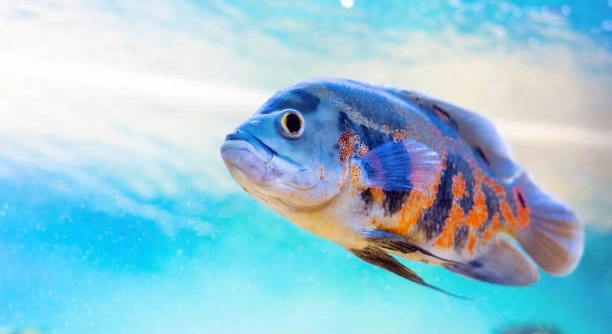
Oscar fish are fascinating creatures, known for their unique behaviors and personality in aquariums. One of their most interesting traits is how they mark their territory. This behavior is subtle but essential for their well-being.
Oscar fish use several methods to mark their territory, ranging from physical displays to specific swimming patterns. They may use their body language, including fin movement and posturing, or even deposit waste in certain areas to signal ownership.
Understanding these behaviors will help you provide a better environment for your Oscar fish. The subtle ways they assert control over their space offer insight into their natural instincts and preferences.
Physical Displays of Aggression
Oscar fish are known to show their dominance through aggressive behavior. One of the most common ways they do this is by puffing up their bodies and displaying their fins. When an Oscar fish feels threatened or wants to assert control over a space, it will try to make itself look larger. This physical posturing is often a warning to other fish in the tank. The expanded fins and puffed-up body signal that the area is claimed and any intruders should back off. These displays may seem intimidating, but they are an instinctual way for Oscars to protect their space.
This behavior is natural for Oscar fish and plays a significant role in their territorial instincts. They use this technique to establish dominance over other fish and protect their chosen area.
By understanding these physical signs, it becomes easier to manage an aquarium with multiple fish. If you notice an Oscar puffing up and displaying its fins, it’s likely trying to warn others away. Recognizing this behavior early can help avoid unnecessary conflicts. If the Oscar feels threatened or its territory is invaded, it may become more aggressive.
Waste Disposal as a Territory Marker
In addition to physical displays, Oscar fish also use their waste to mark territory. They often choose specific spots in the tank to relieve themselves, which is a subtle way to claim that area as their own. This behavior isn’t random; it’s a strategic move to establish ownership. The waste can act as a signal to other fish that the space is occupied and should be avoided.
This method is often overlooked but plays a key role in how Oscar fish maintain their territory. Waste accumulation in certain areas can help maintain the boundaries of their personal space.
By observing where your Oscar tends to go, you can get an idea of where it feels most comfortable in the tank. This can help with tank setup, ensuring that each fish has their own space and reducing the chances of territorial disputes.
Fin Movement and Posturing
Oscar fish often use their fins as a way to communicate. When they feel territorial, they may flare their fins to look larger and more threatening. This is a visual warning to other fish, signaling that they are not welcome in a particular area. The more pronounced the fin movement, the more serious the Oscar is about defending its space. These actions are especially noticeable during times when other fish approach too closely.
This type of fin movement isn’t just for show; it’s deeply tied to their instincts. Oscars use it to keep rival fish at a distance and maintain control over their environment. When they feel secure in their territory, their fin movements will be calm, but any intrusion will trigger a stronger reaction.
Pay attention to the way your Oscar reacts to newcomers or any changes in the tank. If it starts flaring its fins or swimming more aggressively, it’s likely trying to assert its dominance. Recognizing these signs can prevent conflicts and help keep the tank’s atmosphere peaceful.
Marking with Objects
Oscar fish are known to interact with objects in their environment to help define their territory. They might rearrange plants, decorations, or rocks. This is another way for them to mark what they consider their space. By pushing objects around, they leave a visual clue to others, showing where they feel most comfortable. This behavior is often seen when the Oscar is settling into a new tank or when it feels its space is being invaded.
These territorial markings through objects help Oscars feel more secure. They like to create their own little area within the tank, and moving things around allows them to adapt the environment to their liking. It’s not just about claiming space, but also about feeling in control of their surroundings.
If your Oscar is constantly rearranging decorations or plants, it’s a sign that it’s actively trying to mark its territory. If other fish are nearby, this could increase, as Oscars attempt to reinforce their dominance. Understanding this behavior can help you create an environment where your Oscar can thrive without feeling threatened.
Aggressive Swimming Patterns
Oscar fish often use swimming patterns to assert their dominance. When marking territory, they may swim in a tight, repetitive route. This behavior helps them patrol their area and send a message to other fish to stay away. It’s a clear indication that they are guarding a specific part of the tank.
These swimming patterns can sometimes appear erratic, but they serve a purpose. By swimming in circles or following a set route, the Oscar is reinforcing that the space is claimed. This behavior increases when they feel threatened or when other fish come too close to their territory.
Watching your Oscar swim can give you valuable clues about its state of mind. If the swimming becomes more intense or focused, it’s likely trying to protect its space. Understanding this will help ensure peaceful tank dynamics and keep your fish comfortable.
Biting or Nipping
Biting or nipping is another way Oscar fish assert control. If another fish gets too close, an Oscar may nip or bite as a warning. It’s not always about causing harm but rather keeping other fish in check. These quick bites remind intruders that the space is already claimed.
While this behavior may seem aggressive, it is typical for Oscars to defend their territory. If they feel cornered or threatened, the biting becomes more frequent. This is a clear sign that they are marking boundaries and protecting their personal space.
Displaying Color Changes
Oscar fish can change color as part of their territorial behavior. When feeling threatened or asserting dominance, they may show darker or brighter colors, signaling aggression. This color change is more than just a visual cue; it’s a sign of their heightened state. Fish that enter their territory will notice this shift.
FAQ
How can I tell if my Oscar fish is marking its territory?
Oscar fish typically show clear signs when marking their territory. You’ll notice them flaring their fins, puffing up their bodies, and swimming in tight, repetitive patterns. If the Oscar becomes more aggressive and shows darker colors, it’s also a sign of territorial behavior. Additionally, they may move objects around the tank or deposit waste in a specific spot to reinforce their space. If another fish intrudes, the Oscar might nip or bite as a way to defend its area.
Do Oscar fish get along with other fish?
Oscar fish can be territorial, which often leads to conflicts with other fish. They are best kept with larger, more aggressive species that can hold their own. Oscars tend to be dominant in their tank, so smaller or more peaceful fish may become targets of aggression. It’s crucial to provide enough space for each fish to establish its own territory and minimize the risk of territorial disputes.
Can Oscar fish share a tank with other Oscars?
While Oscar fish can be kept with other Oscars, it’s essential to provide a large enough tank to accommodate both. Oscars are territorial and may fight with each other if there isn’t enough space. If you do plan to keep more than one Oscar, ensure the tank is spacious, and monitor their behavior closely to avoid aggression. Having plenty of hiding spots and dividing the tank can help reduce territorial disputes.
What size tank do Oscar fish need?
Oscar fish require a minimum of a 55-gallon tank, but larger tanks are always better. As they grow, they can reach up to 18 inches in length, so having enough space to swim comfortably is crucial. A larger tank also reduces territorial conflicts with other fish, as there will be more space for everyone.
Can I add decorations to the tank to reduce territorial behavior?
Yes, adding decorations and hiding spots can help reduce territorial behavior. When Oscars feel secure in their environment, they are less likely to become aggressive. Providing plenty of rocks, plants, and caves allows Oscars to establish their own territory without feeling threatened by other fish. It’s important to create an environment that mimics their natural habitat, where they can retreat to when they feel stressed.
Do Oscar fish show aggression all the time?
Oscar fish typically only show aggression when they feel their territory is being threatened. If there’s no immediate danger or competition for space, they tend to be calm and more relaxed. However, if another fish enters their space or if they’re in a small tank with limited territory, their aggression may increase. Understanding their need for personal space can help prevent unnecessary conflicts.
How do I reduce aggression in my Oscar fish tank?
To reduce aggression in an Oscar tank, ensure that the tank is large enough and has plenty of hiding spots. Keeping the water conditions stable and clean also helps reduce stress, which can trigger aggression. If possible, keep Oscars with other species that are similarly sized and capable of holding their own. Regularly monitor the fish for signs of aggression and adjust the tank setup as needed to promote peace.
Why is my Oscar fish constantly rearranging the tank?
Oscar fish rearrange the tank to mark their territory. It’s a natural behavior to claim space and make the environment feel more comfortable. When they move rocks, plants, or decorations, they are essentially setting boundaries. While this behavior can be frustrating for tank owners, it’s a sign that your Oscar is feeling territorial and is adjusting its space. Just be sure that the decorations and rocks are secure, as Oscars may move heavy objects around.
Can Oscar fish recognize their owners?
Oscar fish have the ability to recognize their owners. They are intelligent and can learn to associate feeding time or interactions with a particular person. Some Oscars may even become more relaxed around their owners and approach the front of the tank when they see them. While they may not bond in the same way as a dog, they are definitely capable of recognizing familiar faces.
How do I know if my Oscar is stressed?
Signs of stress in an Oscar fish can include abnormal swimming patterns, loss of appetite, or darker colors. Stress can also cause Oscars to become more aggressive and territorial. If you notice your Oscar hiding more than usual or displaying erratic behavior, it could be a sign that something in the tank is making it feel uneasy. Common stressors include overcrowding, poor water quality, or tank mates that are not compatible.
Is it necessary to have a filter for an Oscar tank?
Yes, it’s necessary to have a filter for an Oscar tank. Oscars are messy eaters, and their waste can quickly build up, affecting water quality. A good filtration system helps maintain clean water, which is crucial for the health of your Oscar. Make sure to choose a filter that is suitable for the size of your tank, as Oscars produce a lot of waste. Regular water changes and proper filtration are essential for keeping your Oscar fish healthy.
How often should I feed my Oscar fish?
Oscar fish should be fed once or twice a day, depending on their size and appetite. Be careful not to overfeed, as this can lead to poor water quality and health issues. Offer a variety of food, such as pellets, freeze-dried or frozen foods, and the occasional live food like worms or small fish. Monitoring your Oscar’s weight and feeding schedule will help ensure that it stays healthy. Avoid leaving uneaten food in the tank to prevent contamination.
Final Thoughts
Oscar fish are fascinating creatures with complex behaviors, especially when it comes to marking their territory. They use a variety of methods, from physical displays and waste to rearranging objects in their tank. These behaviors are part of their natural instincts, helping them feel secure and protect their space. Understanding these actions can help you provide a better environment for your Oscar fish, making sure they’re comfortable and less likely to become stressed or aggressive.
It’s essential to keep in mind that Oscar fish can be territorial, and this is something that comes with the species. If you’re keeping multiple Oscars or other fish in the same tank, ensuring there is enough space is key. A larger tank can reduce territorial conflicts and allow the fish to claim their space without feeling crowded. Adding hiding spots and decorations can also help, as it gives your Oscar a place to retreat and feel safe. Proper tank care, including water quality and feeding, will also play a significant role in reducing aggression.
Finally, observing your Oscar fish and understanding their behavior will help you respond appropriately to any issues. If you notice signs of stress or increased aggression, it could be a sign that their territory is being threatened or that the tank conditions aren’t ideal. Regular monitoring of your tank’s environment and your fish’s health can go a long way in ensuring your Oscar stays happy and healthy. By paying attention to these subtle territorial markings, you’ll create a tank where your Oscar fish can thrive.

Hello,
If you enjoy the content that we create, please consider saying a "Thank You!" by leaving a tip.
Every little bit helps us continue crafting quality advice that supports the health, happiness, and well-being of pets around the world, for pets of all shapes, sizes, and species.
We really appreciate the kindness and support that you show us!