
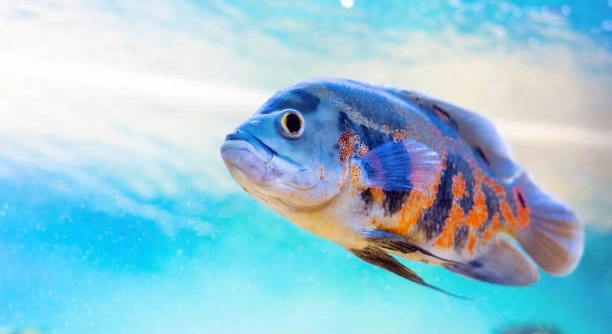
Oscar fish are popular aquarium pets, known for their lively personalities and vibrant colors. However, sometimes they exhibit unusual behavior, like flipping at the top of the tank, which can cause concern for owners.
The main reason your Oscar fish may be flipping at the top is related to stress, illness, or oxygen deficiency. Flipping can also occur if the water quality is poor or the fish is in an unfamiliar environment.
Addressing these concerns quickly can help improve the well-being of your fish and restore peace to your aquarium.
Why Is My Oscar Fish Flipping at the Top?
Oscar fish are known for their active and curious nature, but when they start flipping at the top of the tank, it can be alarming. This behavior often signals that something isn’t right in their environment. The fish may be struggling with issues such as poor water quality, stress, or insufficient oxygen levels. These factors can cause the fish to behave erratically, sometimes even appearing to jump or flip at the surface. As a pet owner, it’s important to identify the root cause and take action to ensure the well-being of your Oscar fish. Addressing these issues promptly can prevent further harm and improve the health of your fish.
Poor water quality is one of the most common reasons for flipping behavior. Oscar fish, like all fish, rely on clean water to thrive. When the water becomes polluted with excess waste or ammonia, it can lead to stress and discomfort, triggering unusual actions such as flipping at the top.
If you notice your Oscar fish flipping, it’s a sign that something is affecting its health. The first step is to check the water quality. Ensure that the pH level, ammonia, nitrite, and nitrate levels are all within safe ranges. Regular water changes are essential to maintain the proper environment. If the tank is overcrowded or the filtration system is inadequate, this can exacerbate water quality issues. Consider upgrading the filter or reducing the number of fish if needed.
Stress and Its Effect on Oscar Fish
Stress is another common cause of flipping behavior. This can stem from many factors, such as a sudden change in the tank’s environment, a new fish being introduced, or excessive noise or movement around the tank. Oscar fish are sensitive to these stressors and can react by displaying erratic behavior. A stressed fish may not only flip at the top but also hide more frequently, refuse to eat, or become more aggressive.
To reduce stress, maintain a stable environment. Keep the tank in a quiet, low-traffic area, and avoid making sudden changes. If you introduce a new fish, ensure it is compatible with your Oscar fish to avoid aggression. Monitoring the tank’s temperature is also important, as fluctuating temperatures can lead to stress and sickness. Ensuring your fish feels safe and comfortable will help reduce the chances of flipping.
Oxygen Levels and Oscar Fish
Low oxygen levels can also cause your Oscar fish to flip at the top of the tank. If the oxygen in the water is insufficient, the fish may surface frequently, trying to breathe. This behavior is common in tanks with poor water circulation or inadequate aeration.
Adding an air pump or improving the tank’s filtration system can help raise oxygen levels. Ensure the water is constantly moving to prevent stagnation, which can lower oxygen content. Regularly check the tank’s water temperature, as warmer water holds less oxygen. If your fish are frequently at the surface gasping, oxygen deficiency is likely the cause.
In addition, overcrowded tanks can also deplete oxygen levels. Make sure there is enough space for your Oscar fish to swim comfortably. A well-maintained tank with proper filtration and aeration will help maintain balanced oxygen levels. If you notice any signs of struggling fish, it’s important to act fast before the situation worsens.
Illness and Flipping Behavior
Illness can cause Oscar fish to act abnormally, including flipping at the surface. Infected fish may be weak or lethargic, leading them to make erratic movements or swim at the top of the tank. Common illnesses that cause this behavior include internal parasites or infections that affect the swim bladder.
If you suspect illness, observe your fish closely for other signs, such as changes in appetite, abnormal swimming, or discolored skin. Consult a vet or aquatic expert for a proper diagnosis. Treatment may involve medication or adjusting the tank’s conditions to help your fish recover.
Monitor your Oscar fish’s health regularly to catch early signs of illness. Ensure they are fed a balanced diet and kept in a clean, stable environment. Early intervention can prevent further health issues and reduce the chances of severe symptoms like flipping.
Tank Size and Oscar Fish
If your Oscar fish is flipping at the top, it could be due to the tank being too small. Oscars need ample space to swim, and a cramped environment can cause stress, leading to unusual behaviors like flipping.
Make sure your tank is at least 75 gallons for one Oscar fish. The larger the tank, the more room your fish will have to swim and explore. If you’re planning to keep multiple Oscars or other fish, consider a larger tank to avoid overcrowding. A spacious tank reduces stress and supports healthier behavior.
Tank Decorations and Structure
The decorations and layout of your Oscar’s tank can impact their comfort. Overcrowding the tank with too many objects or sharp decorations can stress your fish, making them more likely to flip. Keep the tank simple, with some hiding spots but plenty of swimming space.
Ensure all decorations are smooth and non-abrasive, as sharp edges can harm your fish. Regularly clean the decorations to prevent algae buildup and keep the tank environment healthy. Your Oscar will appreciate a comfortable, spacious setting free from excess clutter.
FAQ
Why is my Oscar fish swimming at the top of the tank?
Oscar fish often swim at the top of the tank due to oxygen deficiency. When the oxygen levels in the water are low, they tend to swim near the surface to get air. This could also happen if the tank’s filtration system isn’t working well, or if the water is not being properly aerated. If the water temperature is high, oxygen will be less soluble, causing your Oscar to seek more oxygen near the surface. Improving water circulation with an air pump or a better filtration system can help alleviate this.
Is it normal for an Oscar fish to flip at the surface?
Flipping at the surface is not normal behavior. It usually indicates that something is wrong with the water conditions, oxygen levels, or the health of your fish. If your Oscar is flipping, it’s important to check the water quality, ensuring it has the proper levels of ammonia, nitrites, and nitrates. Also, consider if your Oscar is stressed or sick. An illness affecting the swim bladder or other internal organs could cause unusual movements.
How can I fix the water quality for my Oscar fish?
To improve water quality for your Oscar fish, start by testing the water with an aquarium test kit to check ammonia, nitrite, nitrate, and pH levels. Ensure ammonia and nitrite levels are at zero. If they are high, perform a partial water change (around 25-30%) and replace the filter media. Make sure your tank’s filtration system is sufficient for the size of your tank and your Oscar’s needs. Regular water changes, cleaning the substrate, and removing excess food will help maintain clean water.
Can stress cause my Oscar to flip at the surface?
Yes, stress is a major factor in causing Oscar fish to flip at the surface. Oscar fish are sensitive to changes in their environment, such as new tankmates, sudden temperature fluctuations, or excessive noise around the tank. Stress can also occur if the tank is too small or overcrowded. Providing a stable and quiet environment with plenty of space will help reduce stress. If your Oscar is stressed, give it time to adjust, and avoid making drastic changes in the tank.
What diseases could cause an Oscar fish to flip at the top?
Several illnesses can cause your Oscar to flip at the top, including swim bladder disease, parasites, and internal infections. Swim bladder disease, which affects the fish’s buoyancy, can cause it to struggle with swimming and appear to flip or float at the top. Parasites and bacterial infections can cause similar symptoms, as they disrupt the fish’s ability to swim properly. If you suspect your Oscar is sick, look for other signs such as a change in appetite, abnormal swimming, or skin lesions. Consult an aquarium vet for a proper diagnosis and treatment.
Is my Oscar fish flipping due to a lack of oxygen?
Yes, a lack of oxygen is a common cause of flipping in Oscar fish. If the water doesn’t have enough dissolved oxygen, your fish may struggle to breathe and swim at the surface. This issue is often found in tanks with poor circulation or inadequate aeration. Adding an air stone or improving the filter can help increase oxygen levels in the tank. Additionally, avoid overcrowding the tank, as this can also reduce oxygen availability.
Should I reduce the number of fish in my tank if my Oscar is flipping?
If your Oscar fish is flipping and the tank is overcrowded, reducing the number of fish may help. Overcrowding leads to poor water quality, oxygen depletion, and increased stress for all fish in the tank. Make sure that your Oscar has enough space to swim comfortably. A single Oscar requires a minimum of a 75-gallon tank, and larger tanks are preferable. If you have other fish, ensure they are compatible and that the tank isn’t too cramped for your Oscar.
What other signs should I look for to determine if my Oscar is sick?
In addition to flipping at the top, watch for other symptoms like loss of appetite, lethargy, abnormal swimming, faded colors, or unusual behavior such as rubbing against objects. If your Oscar has swollen or cloudy eyes, it could indicate a bacterial or parasitic infection. Skin lesions, rapid gill movement, or difficulty swimming can also suggest health issues. Regular monitoring and quick action can help prevent a small problem from becoming severe.
How do I prevent my Oscar from flipping in the future?
To prevent your Oscar from flipping, maintain a clean tank with regular water changes, ensure proper filtration, and avoid overcrowding. Keep the water quality in check by testing the ammonia, nitrite, and nitrate levels regularly. Provide plenty of swimming space and reduce any potential stressors, such as loud noises or sudden tank changes. Keep the water temperature stable, as drastic temperature fluctuations can also contribute to stress and health problems. Regularly check for any signs of illness or injury, and consult an expert if needed.
Could my Oscar be flipping due to improper tank setup?
Yes, improper tank setup can contribute to your Oscar flipping. Make sure the tank is large enough for your Oscar to swim freely, as a cramped environment can cause stress. Also, check that your filtration system is adequate for the tank size and the number of fish you have. Tanks with poor water circulation can lead to low oxygen levels, making the surface a more attractive spot for your Oscar. Consider adding plants, hiding spots, or smooth decorations to make the environment more comfortable without overcrowding the space.
Final Thoughts
Oscar fish are beautiful and active pets, but their health and well-being depend on the environment you provide for them. If your Oscar fish is flipping at the top of the tank, it’s important to understand that this behavior is a sign that something may be wrong. Whether it’s water quality, stress, oxygen levels, or a potential illness, addressing the issue quickly will help prevent further harm to your fish. By paying attention to the water quality, temperature, tank size, and any signs of illness, you can ensure a healthy environment for your Oscar.
Maintaining a clean tank with proper filtration, regular water changes, and adequate aeration is essential for the health of your fish. Monitoring the water quality and ensuring it stays within safe parameters for your Oscar fish will help avoid many common issues. Additionally, it’s important to reduce any stressors that could be affecting your fish, such as overcrowding, sudden changes in the tank, or incompatible tankmates. Creating a peaceful environment will reduce stress and prevent your Oscar from exhibiting problematic behaviors like flipping at the top of the tank.
Ultimately, the key to a healthy and happy Oscar fish is observation and consistency. Regularly check for any changes in behavior, water quality, or tank setup, and address any issues as soon as they arise. If your fish shows signs of illness, it’s crucial to act fast and seek expert advice if necessary. By keeping your Oscar’s environment stable and clean, and making sure it has enough space to thrive, you’ll reduce the chances of flipping and other behavioral issues. With proper care, your Oscar fish can live a long, healthy life and continue to be a colorful addition to your aquarium.

Hello,
If you enjoy the content that we create, please consider saying a "Thank You!" by leaving a tip.
Every little bit helps us continue crafting quality advice that supports the health, happiness, and well-being of pets around the world, for pets of all shapes, sizes, and species.
We really appreciate the kindness and support that you show us!