
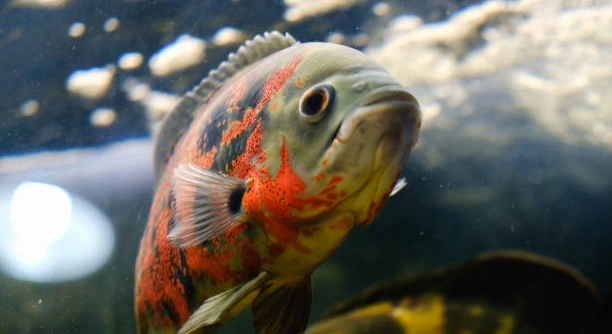
Oscar, your furry companion, may seem content but could be showing subtle signs that more mental stimulation is needed. These signs may manifest in different ways, from changes in behavior to specific actions that suggest boredom.
Pets, including Oscar, often exhibit behaviors such as increased pacing, vocalization, or destructiveness when they lack sufficient mental stimulation. Providing regular activities, interactive toys, or new environments can prevent these issues and enhance their well-being.
Recognizing these clues early can help you address the problem before it becomes more challenging. This article will guide you through the signs that suggest your Oscar needs more engagement.
Increased Destructive Behavior
Oscar’s behavior may start to change if he’s not getting enough mental stimulation. This can include chewing on furniture, excessive digging, or even shredding items around the house. When pets feel bored, they tend to act out as a way to release built-up energy. If you notice these behaviors increasing, it’s important to consider whether he’s getting enough engagement in his daily routine. Some pets may become more destructive when they lack mental challenges or physical activity.
A simple solution is to provide new toys or activities that encourage problem-solving and exploration. Interactive toys, such as puzzle feeders, can help keep Oscar’s mind engaged while also giving him a sense of accomplishment. Introducing new scents, textures, or games can be effective in providing variety to his routine.
Another way to reduce destructive behavior is through training. This not only keeps him mentally engaged but also reinforces positive behavior. Regular training sessions, combined with interactive play, can help redirect his focus from destructive actions to more productive activities.
Excessive Vocalization
Oscar may start to vocalize more often if he feels bored or understimulated. If your pet is suddenly more vocal than usual, it could be a sign that he needs more interaction. This can include barking, meowing, or even whining.
Increasing the amount of playtime and mental challenges in his routine can help reduce these outbursts. By offering Oscar activities like fetch, hide-and-seek, or scent tracking, you’ll give him a productive way to use his energy and satisfy his need for mental stimulation.
Pacing and Restlessness
If Oscar starts pacing more than usual, it could signal that he’s mentally restless. This behavior is common in pets who don’t have enough to keep them busy or mentally stimulated. A change in their environment, like a new room or rearranged furniture, can sometimes spark this response.
Incorporating activities like daily walks or new experiences can reduce pacing. For instance, trying different routes during walks or introducing him to new spaces can be exciting for Oscar. Keeping him mentally active with toys or games can also relieve stress and restlessness.
If pacing becomes a frequent behavior, you can address it by adding more structured playtime. Engaging in activities that challenge his mind, such as hide-and-seek or interactive games, can help reduce the urge to pace. These activities will help burn off excess energy and keep Oscar more relaxed.
Lack of Interest in Favorite Activities
Oscar may lose interest in activities he once loved, which is another sign that he needs more stimulation. If he’s no longer excited about his favorite toys, games, or walks, it’s time to reconsider his routine. A change in enthusiasm often points to boredom.
One way to reignite his interest is by rotating his toys and introducing new ones regularly. Sometimes, Oscar may simply need a new challenge. Interactive puzzle toys or games that require problem-solving can help keep his attention and excitement high. By adding new elements to his routine, you can bring back the spark in his playtime.
Another option is to vary his daily routine. If he’s used to the same walk every day, try changing up the route or even introducing new activities, like visiting a park or meeting other animals. These changes can refresh his interest and reduce the risk of boredom.
Unusual Sleeping Patterns
Oscar’s sleep patterns may change if he’s not receiving enough mental stimulation. If he’s staying awake and restless for longer periods or seems overly tired, boredom could be the cause. Pets need mental challenges to keep them engaged, and a lack of this can disrupt their sleep.
Try adjusting his daily activities to include more physical or mental stimulation. Interactive toys, longer walks, or even training sessions can tire him out in a healthy way. This helps to regulate his sleep patterns, allowing him to rest properly.
A lack of sleep could also be a sign of anxiety or stress. So, pay attention to any changes in his behavior that may point to more than just boredom.
Overeating or Food Aggression
Oscar may begin to overeat or show food aggression if he’s not mentally stimulated enough. When a pet is bored, food can become a source of comfort, leading them to eat more than necessary. Overeating can also be a sign of a lack of excitement in their environment.
You can prevent this by providing more engaging activities, such as food puzzles or training. These activities encourage problem-solving and can help him focus on something other than food. It also gives him a sense of accomplishment and fulfillment.
Keep an eye on his feeding habits. If overeating persists, it may be a good idea to introduce a more structured feeding schedule or seek advice from a professional.
Excessive Licking or Grooming
Oscar may start excessively licking or grooming himself when he feels mentally under-stimulated. This behavior is often a coping mechanism for boredom or stress. If you notice he’s spending an unusual amount of time grooming, it’s likely due to a lack of mental challenges in his environment.
Encourage Oscar to engage in activities that require more focus and attention, such as scent tracking or interactive playtime. You can also try incorporating new textures or objects into his environment, which can spark his curiosity and redirect his focus.
It’s important to monitor this behavior, as excessive grooming could also signal a medical issue. Keep track of any changes in his grooming habits, and consult a veterinarian if needed.
FAQ
How can I tell if my Oscar is bored?
Oscar may show signs of boredom through various behaviors, such as increased restlessness, excessive vocalization, or destructive actions. If you notice him pacing, chewing on furniture, or becoming disinterested in his usual activities, these are all clues that he’s seeking more mental stimulation. You may also see him sleeping more than usual, which is another indicator that his energy isn’t being properly channeled.
What activities can I do to stimulate Oscar?
There are plenty of activities you can do to engage Oscar’s mind. Interactive toys, like puzzle feeders, are excellent for mental stimulation. Additionally, scent games, where you hide treats or toys for him to find, can keep him entertained and challenge his mind. You can also rotate his toys regularly to keep his interest high. Another option is incorporating obedience training or trick learning into his routine, which is not only fun but also mentally rewarding.
How often should I walk Oscar to prevent boredom?
The frequency of walks depends on Oscar’s breed, age, and energy level, but most pets benefit from at least one walk a day. For more energetic dogs or pets, two or more walks might be necessary. Walks provide physical exercise and mental stimulation, as they allow Oscar to explore new environments and encounter different smells, sounds, and sights. If a walk is not possible, consider outdoor playtime or indoor activities that mimic the stimulation he would receive from a walk.
Can boredom lead to behavior problems?
Yes, boredom can contribute to behavior problems such as chewing, excessive barking, digging, or even aggression. When Oscar is bored, he may resort to these actions to release excess energy or because he is seeking attention. Providing mental and physical stimulation can prevent these negative behaviors by offering a healthy outlet for his energy and needs.
What are signs that Oscar needs more mental stimulation?
Oscar may begin to show signs of frustration or dissatisfaction if he lacks enough mental stimulation. These signs include destructive behaviors, excessive licking or grooming, loss of interest in play, and increased restlessness. If he seems disinterested in his toys or becomes more demanding of attention, it’s likely time to change up his routine and introduce new activities.
How can I prevent Oscar from becoming overstimulated?
Overstimulation can occur if Oscar is engaged in too many activities or if playtime is too intense. To prevent this, ensure that his mental stimulation is balanced with periods of rest. Watch for signs of stress, such as panting, drooling, or avoiding interactions. Give him downtime between activities, and don’t push him too hard to keep up with fast-paced or high-energy play. It’s also important to tailor activities to his individual temperament and energy level to avoid overwhelming him.
Is it okay to leave Oscar alone for long periods if he’s bored?
If Oscar is left alone for extended periods, boredom can become a significant issue. Long stretches of time without stimulation may lead to anxiety, destructive behavior, or depression. It’s important to ensure he has something to do when you’re not home, such as puzzle toys, food-dispensing toys, or even a companion pet if possible. Hiring a pet sitter or arranging for a neighbor or friend to visit during the day can also help break up his alone time.
How do I know if Oscar is getting enough exercise?
To determine if Oscar is getting enough exercise, consider his energy level and behavior throughout the day. If he remains calm, sleeps well, and doesn’t engage in destructive behaviors, he’s likely receiving sufficient physical activity. If he seems restless, overly energetic, or begins acting out, it may be a sign he needs more exercise. Pay attention to his behavior after walks or play sessions to gauge whether his exercise needs are being met.
Can Oscar’s boredom affect his health?
Yes, boredom can impact Oscar’s health in several ways. Without enough physical activity and mental stimulation, pets can become overweight or develop other health issues such as joint problems or stress-related conditions. Mental stimulation is also critical for keeping Oscar’s brain active and healthy. Just like physical exercise, mental challenges can reduce stress and improve overall well-being.
What should I do if Oscar seems uninterested in toys or games?
If Oscar is showing no interest in his toys or games, it could be a sign that he’s bored of the current options. Try rotating his toys regularly to keep things fresh, or introduce new ones that require more mental engagement. You can also increase the complexity of the games, such as using treat-dispensing toys or teaching him new tricks. If Oscar still seems uninterested, it may be worth evaluating his overall routine to ensure he’s getting enough stimulation both physically and mentally.
Is training a good way to stimulate Oscar’s mind?
Yes, training is an excellent way to stimulate Oscar’s mind. Learning new commands or tricks provides mental challenges that keep him engaged. Regular training sessions are a productive way to bond with Oscar while also reinforcing positive behaviors. Start with simple commands and gradually increase the difficulty as he masters each one. The mental effort involved in training can tire him out in a healthy way, preventing boredom and promoting good behavior.
How can I enrich Oscar’s environment at home?
To enrich Oscar’s environment, start by providing a variety of toys, textures, and scents to explore. You can add new elements to his environment, such as scratching posts, climbing structures, or hidden treat areas. Changing the layout of his space occasionally can keep his surroundings interesting. Regularly introduce new activities and ensure that he has a comfortable space for rest and relaxation. The more variety you offer, the more likely Oscar will remain engaged and mentally stimulated.
Final Thoughts
Oscar’s behavior can speak volumes about his needs, and understanding the signs of boredom is key to addressing them. When he begins acting out, whether it’s through destructive behaviors, excessive grooming, or food aggression, these are clear signals that he requires more mental and physical stimulation. Ignoring these signs can lead to further issues, including anxiety and stress, which can affect his overall well-being. Recognizing the early signs of boredom and taking action is essential for maintaining a happy and healthy pet.
Providing a variety of activities that engage both the body and mind is the most effective way to prevent boredom. Regular walks, interactive toys, and challenging games will keep Oscar entertained and allow him to use his energy in a productive way. Training sessions can also be beneficial, as they stimulate his mind and strengthen the bond between you. By varying his routine and introducing new experiences, you can keep his environment dynamic and exciting. Ensuring he stays mentally and physically engaged helps to prevent behaviors that arise from frustration or lack of stimulation.
In the end, a well-stimulated Oscar is a happier, healthier pet. By paying attention to his behavior and making adjustments to his routine, you can ensure that he remains mentally sharp and content. It’s important to remember that each pet is different, and what works for one may not work for another. Experiment with different activities and observe how he reacts to find the best way to keep him engaged. Ultimately, a little effort in providing the right stimulation will lead to a more balanced and fulfilled pet.

Hello,
If you enjoy the content that we create, please consider saying a "Thank You!" by leaving a tip.
Every little bit helps us continue crafting quality advice that supports the health, happiness, and well-being of pets around the world, for pets of all shapes, sizes, and species.
We really appreciate the kindness and support that you show us!