
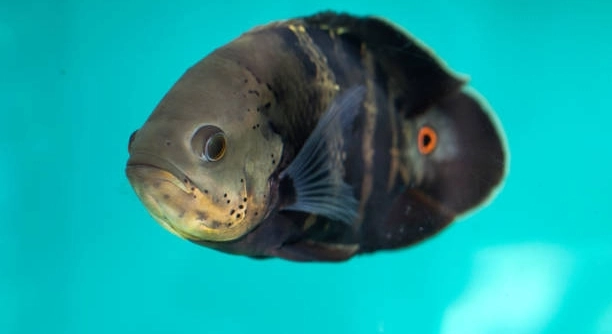
Oscar fish are known for their lively personalities and active behavior. However, if your Oscar seems stuck or appears to be struggling in one place, it may be a sign of an underlying issue. Understanding the cause is important.
The most common reason for an Oscar fish acting like it’s stuck is due to stress or environmental factors. Issues such as poor water quality, tank size, or the presence of aggressive tankmates can cause the fish to display unusual behavior.
Addressing these environmental and health factors will help restore your Oscar fish’s natural behavior and overall well-being.
Stress and Anxiety in Oscar Fish
Oscar fish are sensitive creatures, and stress can quickly show in their behavior. Poor water quality, a dirty tank, or sudden changes in their environment can cause them to act differently. Oscars thrive in stable conditions, so it’s important to maintain a consistent water temperature, pH level, and ammonia levels to avoid putting them under stress. If they feel unsafe, they may spend excessive time hiding or appear stuck in one spot.
A good way to reduce stress is by providing a spacious tank with adequate filtration and keeping the water clean. Avoid overcrowding and make sure the tank is well-maintained to ensure a comfortable environment for your Oscar.
Additionally, be mindful of sudden changes in the tank, such as adding new fish or rearranging decorations. Oscars are territorial and can feel threatened by unfamiliar changes, leading to behavior that might look like they are stuck or immobilized. Keeping their habitat consistent can prevent this type of stress.
Health Issues Affecting Oscars
If the environment seems fine but your Oscar fish still looks stuck, it could be a health concern. Oscars are prone to various diseases that can affect their movement, such as swim bladder issues. This condition makes it difficult for them to swim properly, causing them to appear as if they’re stuck or unable to move freely. In such cases, a vet specializing in fish should be consulted.
Swim bladder issues can result from overfeeding or poor water quality. If your fish has a swollen belly or is struggling to maintain buoyancy, it may need medical attention. For a healthier Oscar, make sure to maintain a balanced diet and monitor the water quality regularly.
Poor Water Quality
Oscars are highly sensitive to water conditions, and poor water quality can cause a range of issues, including unusual behavior. Ammonia, nitrites, and nitrates must be monitored regularly, as elevated levels can make them feel stressed or sick. They may appear stuck or inactive when the water is not up to their standards.
Water changes should be done regularly to maintain optimal water conditions. Aim for 25-30% water changes weekly to keep the tank clean and ensure your Oscar remains healthy. Also, invest in a good filtration system that suits the size of your tank to help keep water clear and safe for your fish.
When water quality is compromised, Oscars may show signs of respiratory distress, such as staying near the surface or hiding. If you notice any of these signs, check your tank’s filtration and perform a water test. Improving the water conditions should help your Oscar return to its normal behavior.
Tankmates and Aggression
Oscars are territorial fish and may feel threatened by their tankmates. If they’re housed with overly aggressive or larger fish, your Oscar may act like it’s stuck, hiding or staying still. Aggressive behavior from tankmates can lead to stress, making it difficult for your Oscar to feel safe.
It’s important to carefully choose compatible tankmates for your Oscar. Avoid keeping them with fish that may bully or outcompete them for space and food. Additionally, ensure the tank is large enough for all inhabitants to avoid territorial disputes. Proper space and careful fish selection can prevent aggression and stress.
If aggression becomes a problem, you may need to separate the Oscar from other fish to restore peace. This can improve their overall well-being, as a calm environment is essential for an Oscar’s mental and physical health.
Overfeeding
Overfeeding is a common mistake with Oscar fish. It can lead to digestive problems and cause your fish to become sluggish or appear stuck. When Oscars eat too much, food may sit in their stomach, making them feel uncomfortable and lethargic.
Stick to feeding your Oscar small, appropriate portions twice a day. Remove any uneaten food after about 10-15 minutes to prevent waste from affecting water quality. By regulating their diet, you can help avoid overfeeding-related health issues.
A balanced diet also helps prevent swim bladder problems, which could make your Oscar seem immobilized. Regular feeding schedules and portion control are essential for maintaining your fish’s health.
Tank Size
The size of the tank plays a crucial role in an Oscar’s behavior. If the tank is too small, your Oscar may feel cramped and stressed, leading to unusual behavior such as staying in one spot. Oscars require a lot of space to thrive.
A tank of at least 75 gallons is recommended for a single Oscar fish. This provides ample room for swimming and ensures they don’t feel trapped. A cramped environment may also cause territorial disputes, adding to the stress.
To ensure the best environment, provide enough space to allow your Oscar to move freely. The larger the tank, the healthier and more active your fish will be.
Tank Decorations
Tank decorations can help your Oscar feel more comfortable, but too many or sharp objects can cause stress or injury. Overcrowding the tank with decorations can limit swimming space and make your Oscar feel stuck.
Opt for simple, smooth decorations that give your fish plenty of room to move. Avoid sharp or bulky items that can create hiding spots that lead to prolonged inactivity. The more open and accessible the space, the more likely your Oscar will feel safe to swim around.
FAQ
Why is my Oscar fish staying in one corner of the tank?
If your Oscar fish is staying in one corner of the tank, it could be due to stress or discomfort. This behavior is often linked to poor water quality, a lack of space, or the presence of aggressive tankmates. Make sure the water is clean, the tank is large enough, and that your Oscar feels safe from any threats. Sometimes, changing the tank’s layout or adding some hiding spots can reduce stress and encourage movement.
How can I tell if my Oscar has a swim bladder problem?
Swim bladder problems in Oscars can be noticed when they struggle to maintain their position in the water or appear to be floating sideways or upside down. If your Oscar is unable to swim properly and seems stuck, it may have an issue with its swim bladder. This can be caused by overfeeding, constipation, or an underlying illness. If symptoms persist, consulting a vet who specializes in fish is advisable.
Can Oscar fish be kept with other species?
While Oscars can sometimes live with other fish, they are known to be territorial and may not get along with every species. It’s best to house them with other large, peaceful fish that can hold their own. Avoid keeping them with smaller fish, as they may be seen as prey. Always monitor the tank for signs of aggression and make sure there is enough space for all fish to thrive.
What should I do if my Oscar is showing signs of aggression?
If your Oscar is showing aggression, such as chasing or attacking other fish, it’s important to assess the tank environment. You may need to provide more space or rearrange the decorations to break up territorial lines. Sometimes, adding more fish or tankmates of similar size and temperament can reduce aggression. If this doesn’t work, separating the aggressive Oscar may be the best solution.
How often should I feed my Oscar?
Feed your Oscar fish once or twice a day, but be mindful of the portion size. Oscars are opportunistic feeders, so they will eat whatever is available, but overfeeding can lead to health issues. A good rule of thumb is to feed your Oscar an amount of food that it can consume in about 10 to 15 minutes. Removing uneaten food will help maintain water quality and prevent overfeeding.
Is it normal for my Oscar to hide?
Hiding is normal behavior for an Oscar, especially when they feel stressed or threatened. If your Oscar hides more than usual, check the water quality and ensure there are no aggressive tankmates. A well-maintained tank with plenty of hiding spots can reduce stress and make your Oscar feel secure.
Why is my Oscar fish swimming at the surface?
If your Oscar is swimming at the surface, it could be trying to get more oxygen or may be stressed. Poor water quality, especially high levels of ammonia or nitrites, can cause respiratory distress and prompt surface swimming. Make sure to check the water conditions and adjust the filtration if necessary. Ensure that the tank’s water temperature is suitable for your Oscar as well.
How can I help my Oscar overcome stress?
To help your Oscar overcome stress, ensure the tank environment is suitable. Maintain clean water with proper filtration, avoid sudden changes to the tank, and provide enough space. You can also add hiding spots or decorations that make the Oscar feel secure. Avoid aggressive tankmates and offer a balanced diet.
Can overfeeding cause Oscar fish to act stuck?
Yes, overfeeding can cause an Oscar to act stuck. When overfed, Oscars can suffer from digestive issues, which can affect their ability to swim or move freely. Overfeeding can also lead to swim bladder problems, making it difficult for the fish to maintain its buoyancy. Stick to recommended feeding amounts to prevent these issues.
Should I worry if my Oscar is not eating?
If your Oscar is not eating, it can be a sign of stress, illness, or poor water conditions. Check the water parameters first, ensuring that ammonia, nitrites, and nitrates are within safe ranges. If the water quality is good, consider any recent changes to the tank that might have caused stress. If the problem persists for more than a few days, it’s time to consult a vet to rule out any health issues.
How can I tell if my Oscar is sick?
Sick Oscars may show signs like loss of appetite, unusual swimming patterns, or physical symptoms like discoloration or lesions. If your Oscar appears lethargic, is rubbing against objects, or is acting like it’s stuck, there could be an underlying illness. Examine the water quality and consider any potential stress factors. If these symptoms persist, it’s best to consult a vet for proper diagnosis and treatment.
How do I maintain good water quality for my Oscar?
Maintaining good water quality for your Oscar requires regular water changes, proper filtration, and monitoring of water parameters. Perform weekly water changes of 25-30% to keep the tank clean. Use a high-quality filter that suits the size of your tank, and regularly check levels of ammonia, nitrites, and nitrates. This will help keep your Oscar healthy and reduce the chances of stress-related behavior.
What tank size is best for an Oscar fish?
An Oscar fish requires a tank that is at least 75 gallons to provide enough swimming space. As Oscars grow, they need a larger tank to accommodate their size. A larger tank also allows for better water filtration and more stable water parameters. If you plan to keep more than one Oscar or additional tankmates, a larger tank will be necessary to avoid overcrowding and territorial disputes.
Can Oscar fish live with smaller fish?
Oscar fish should not be housed with smaller fish, as they may see them as prey. Oscars are known to be aggressive and may harm or eat smaller tankmates. It’s best to keep them with similarly sized fish that can hold their own. Be cautious when introducing new fish to the tank, as Oscars can be territorial and may become aggressive.
Final Thoughts
When your Oscar fish is acting like it’s stuck, it’s often a sign that something in its environment is off. It could be due to stress, poor water quality, overfeeding, or even swim bladder issues. Understanding the potential causes and recognizing the signs early on can help you take the right steps to address the problem. Regularly monitor water conditions, maintain a proper feeding schedule, and keep an eye on your fish’s behavior. A healthy environment is key to your Oscar’s well-being.
Additionally, make sure your tank is large enough to accommodate your Oscar comfortably. A cramped tank can lead to stress and limited movement. It’s important to give your Oscar plenty of space to swim and explore. Providing proper filtration and keeping the tank clean also plays a significant role in your Oscar’s overall health. You’ll notice a positive change in its behavior when these factors are addressed.
Lastly, always be aware of the tankmates you choose for your Oscar. Oscars can be territorial, and having the wrong companions may cause them to act aggressively or retreat to a corner. Pairing them with compatible fish and offering enough hiding spots can reduce stress and improve their behavior. By taking the time to ensure these elements are in place, you’ll help your Oscar thrive and enjoy a healthier, happier life.

Hello,
If you enjoy the content that we create, please consider saying a "Thank You!" by leaving a tip.
Every little bit helps us continue crafting quality advice that supports the health, happiness, and well-being of pets around the world, for pets of all shapes, sizes, and species.
We really appreciate the kindness and support that you show us!